The Team Behind Metalworkium
Michael Thompson

Michael Thompson has spent the last 12 years documenting the journey of setting up practical metalworking workshops on a realistic budget. A former industrial maintenance technician, he built his first garage shop in 2013 for under $2,000 and has since helped hundreds of beginners through detailed write-ups on tool prioritization, layout planning, and common early pitfalls.
His approach combines meticulous record-keeping of costs, supplier choices, and measurable outcomes with reference to OSHA workshop safety guidelines and equipment standards from the American Welding Society. Michael’s articles focus on the real decisions, compromises, and adjustments that occur when turning an empty garage into a functional fabrication space. Readers value his transparent tracking of what actually worked versus what needed to be replaced or redesigned over multiple years of shop evolution. He continues to maintain and upgrade his current workshop while sharing unfiltered lessons for those just starting out.
David Reynolds
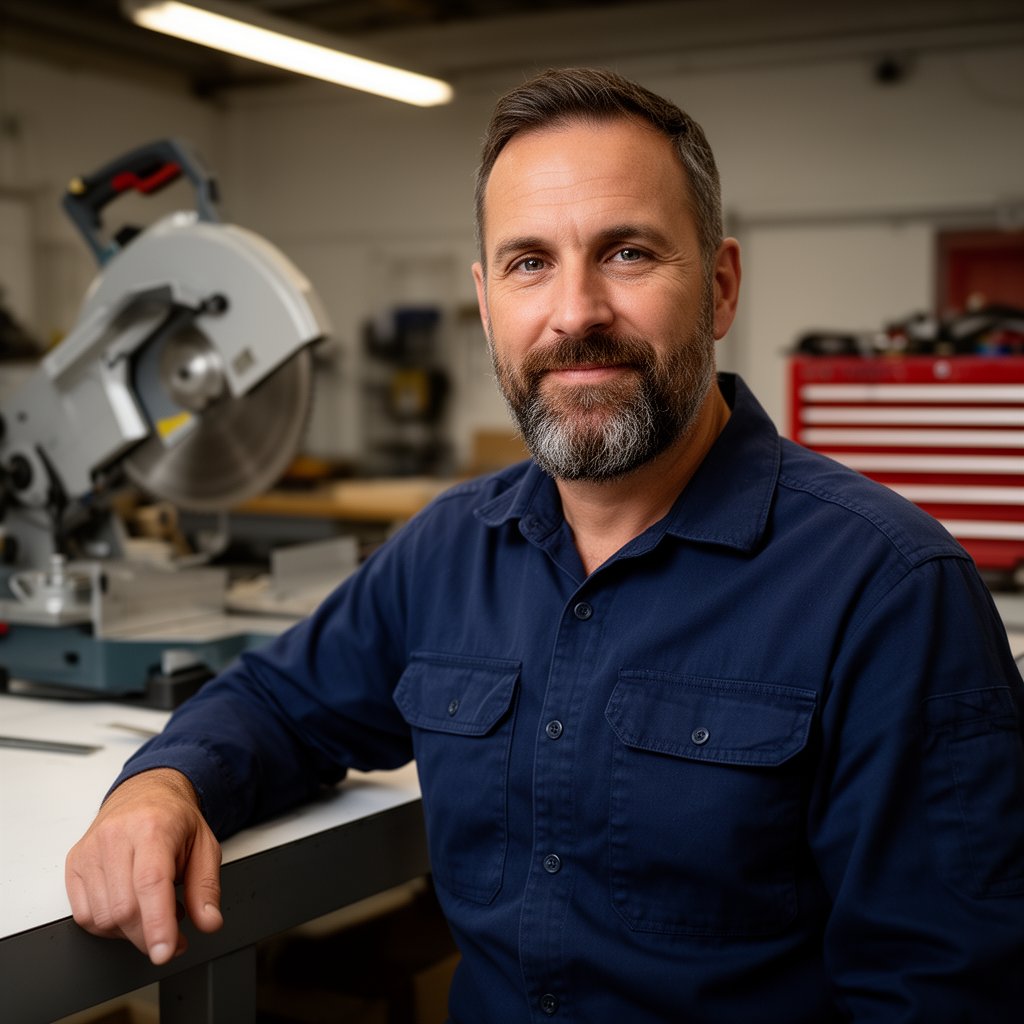
David Reynolds is a hands-on fabricator with over 15 years of daily experience owning and maintaining metalworking equipment. From budget MIG welders to industrial bandsaws, David logs long-term performance metrics including runtime hours, maintenance intervals, repair costs, and failure points across multiple tool brands.
His writing draws on detailed personal maintenance journals and cross-references manufacturer specifications with real-world durability data. David previously worked in small-scale manufacturing, giving him practical insight into how tools hold up under consistent workshop use. He specializes in honest, long-term ownership reviews that go far beyond initial specifications, covering everything from consumable costs to ergonomic factors that only become apparent after hundreds of hours of use. His goal is to help readers make more informed purchasing decisions based on actual operational experience rather than marketing claims.
James Harlan
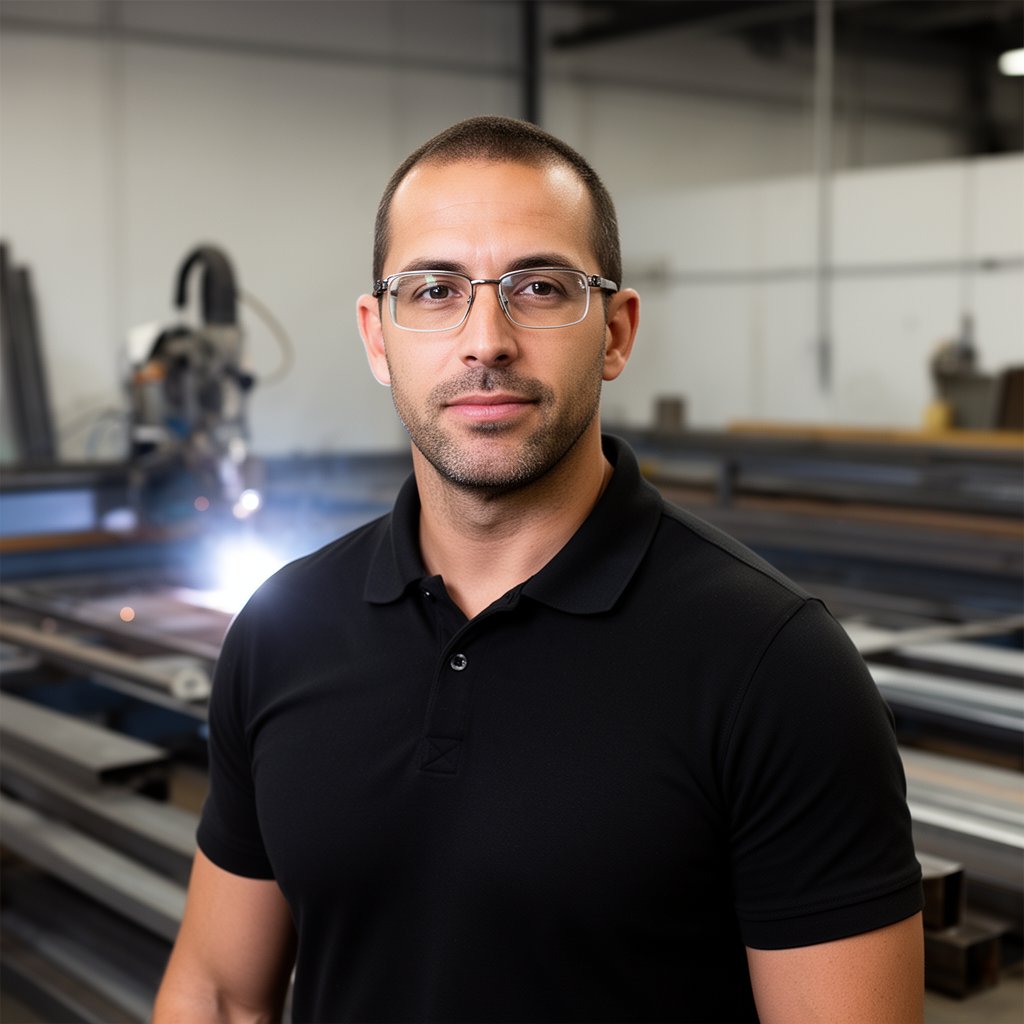
James Harlan has been active in metal fabrication for 14 years and openly documents the errors, miscalculations, and accidents that taught him the most. With a background in mechanical engineering and shop floor work, he analyzes failures in welding, machining, material selection, and workshop organization.
James references industry safety standards, material property data from sources like MatWeb, and lessons from documented fabrication case studies. His articles detail specific mistakes—such as incorrect joint preparation, poor fixture design, or underestimating material distortion—with clear explanations of the consequences and the corrective actions that followed. By treating failures as valuable data points, James provides readers with practical risk awareness and prevention strategies grounded in real outcomes rather than theory.
Robert Kline
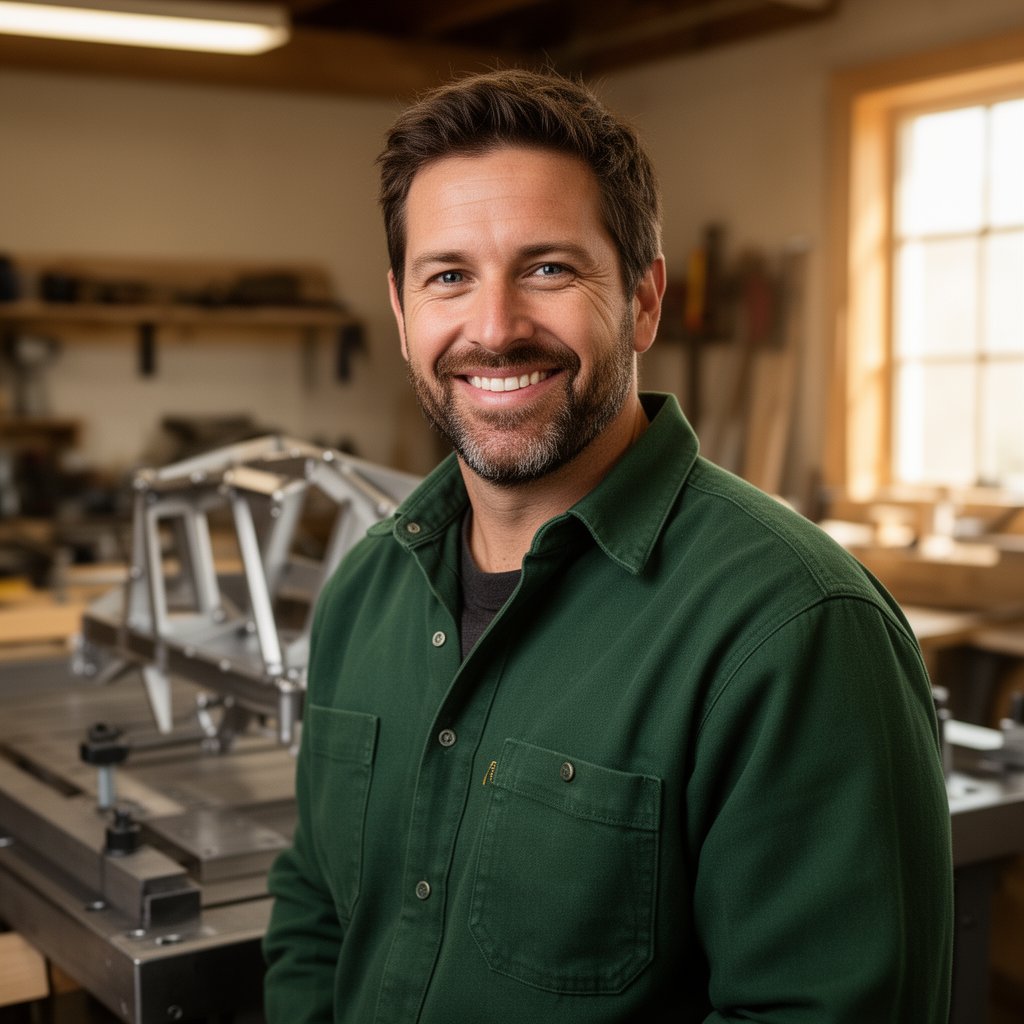
Robert Kline is a DIY fabricator and former prototype technician with 13 years of experience turning ideas into functional metal projects. He provides build breakdowns that include planning, material sourcing, fabrication steps, obstacles encountered, and final results.
Robert maintains detailed project logs with cost tracking, time estimates, and lessons learned from each build, ranging from welding carts and workbenches to utility trailers and custom fixtures. His work emphasizes realistic expectations, problem-solving during construction, and honest evaluation of the finished product. He frequently references engineering principles, load calculations, and material specifications to ensure his documentation is both practical and technically sound. Robert’s transparent, step-by-step project stories help readers replicate successes while avoiding common construction pitfalls.
Michael Hargrove
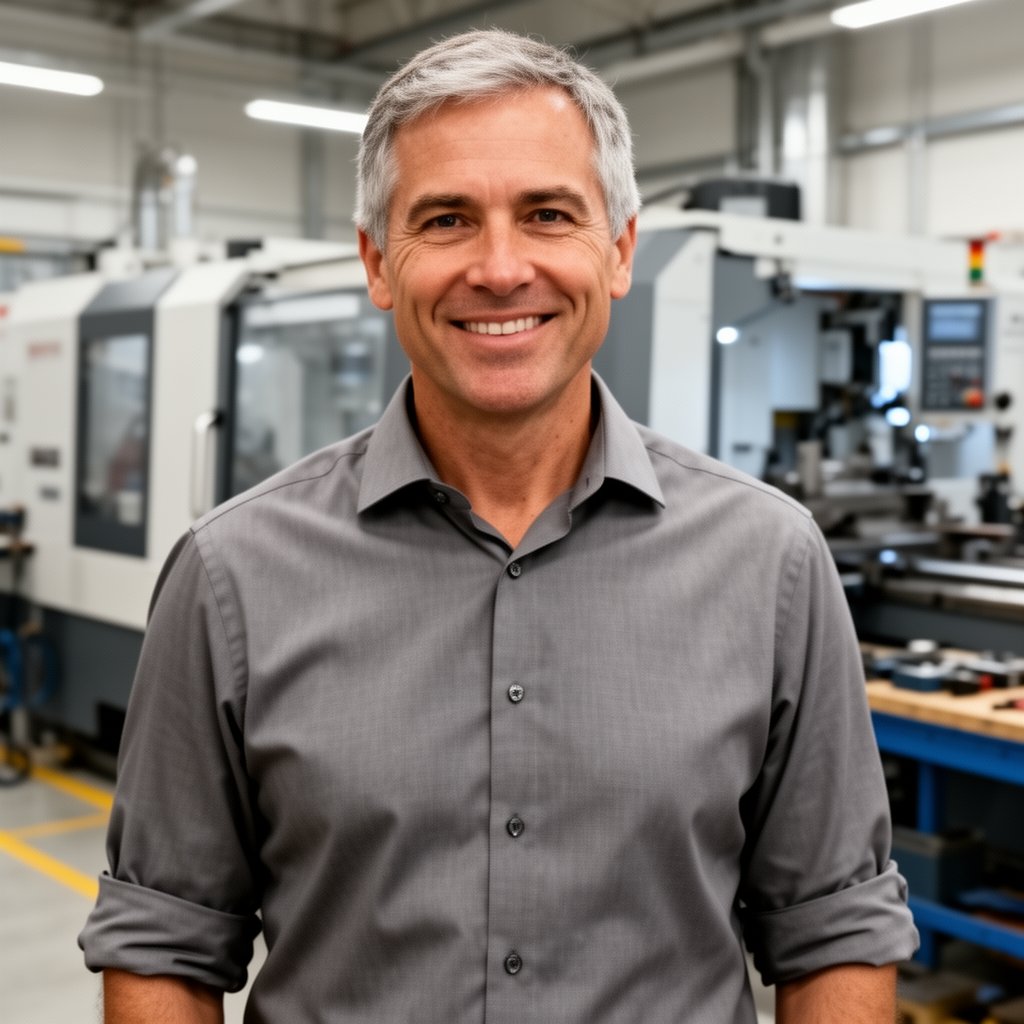
Michael Hargrove brings 16 years of metalworking experience with a strong focus on the financial realities of workshop ownership and project fabrication. A former small business owner in the manufacturing sector, he meticulously tracks equipment investments, operating costs, material expenses, and time requirements.
Michael’s analyses reference actual spending data, depreciation estimates, and productivity measurements rather than theoretical models. He examines questions such as payback periods on major tools, the true cost of hobby-to-side-hustle transitions, and the economics of fabricating versus purchasing finished items. His writing helps readers understand hidden costs, realistic ROI timelines, and smarter budgeting strategies based on documented personal experience across multiple workshop expansions and equipment upgrades.
Steven Brooks
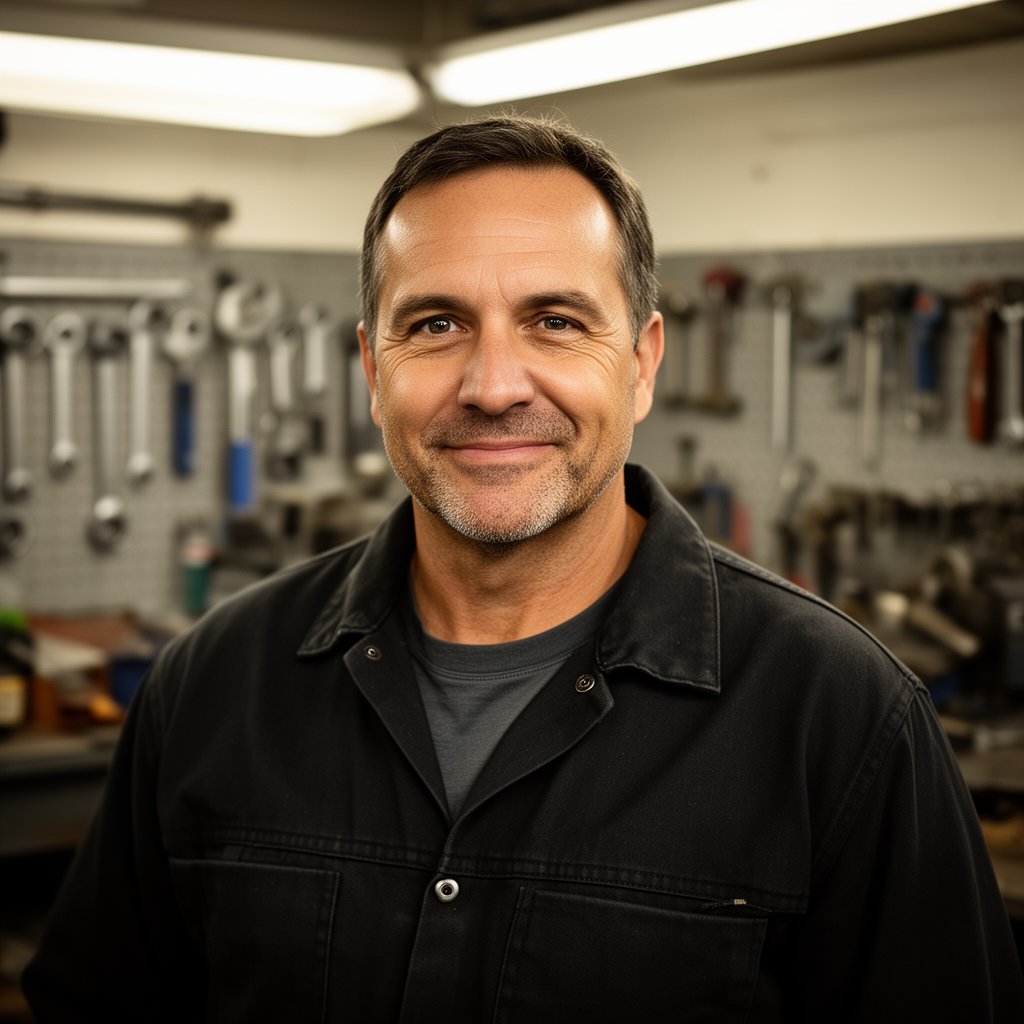
Steven Brooks has spent 17 years actively comparing metalworking tools through side-by-side ownership and extended use in his shop. With a background in industrial maintenance, he evaluates welders, grinders, cutting tools, and machinery based on performance in actual fabrication projects rather than spec sheets.
His comparisons include detailed notes on durability, accuracy, ease of maintenance, consumable costs, and suitability for different workloads. Steven cross-references his findings with user reports, safety standards, and technical data from recognized industry organizations. Readers rely on his practical, experience-based verdicts when deciding between budget and premium options or choosing between competing technologies like MIG versus flux-core or different metal cutting methods.
Paul Whitaker
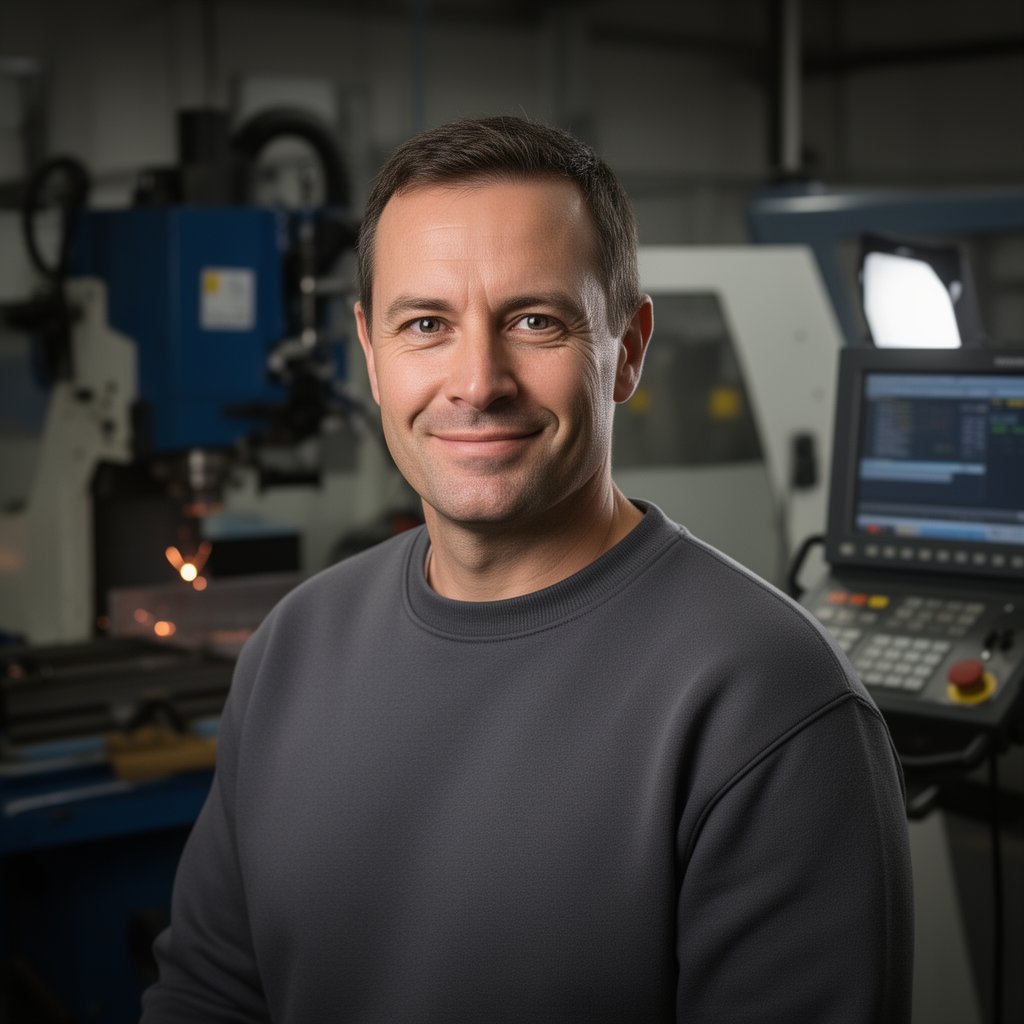
Paul Whitaker is a fabrication specialist with 15 years of experience diagnosing and resolving workshop challenges. From weld defects and equipment vibrations to material warping and power issues, Paul documents systematic troubleshooting processes that combine observation, testing, and iterative solutions.
Drawing on principles from mechanical engineering resources, AWS welding standards, and machinery maintenance literature, he breaks down complex problems into understandable steps. Paul’s case studies highlight the trial-and-error nature of real problem-solving, including dead ends and unexpected discoveries. His methodical approach helps readers develop stronger diagnostic skills and avoid common frustration points in metalworking.
Thomas Langley

Thomas Langley has documented his own metalworking journey for over 12 years, progressing from complete beginner to producing consistently high-quality fabrication work. He tracks skill development through timed practice sessions, project quality assessments, and technique refinement.
Thomas references learning resources from the American Welding Society, vocational training materials, and established fabrication texts while grounding his advice in personal milestones and realistic timelines. His writing helps readers set achievable goals, understand typical learning curves, and identify the most impactful skills to focus on at each stage. By sharing detailed progression data and honest reflections on plateaus and breakthroughs, Thomas provides a relatable roadmap for aspiring fabricators.
Richard Beaumont
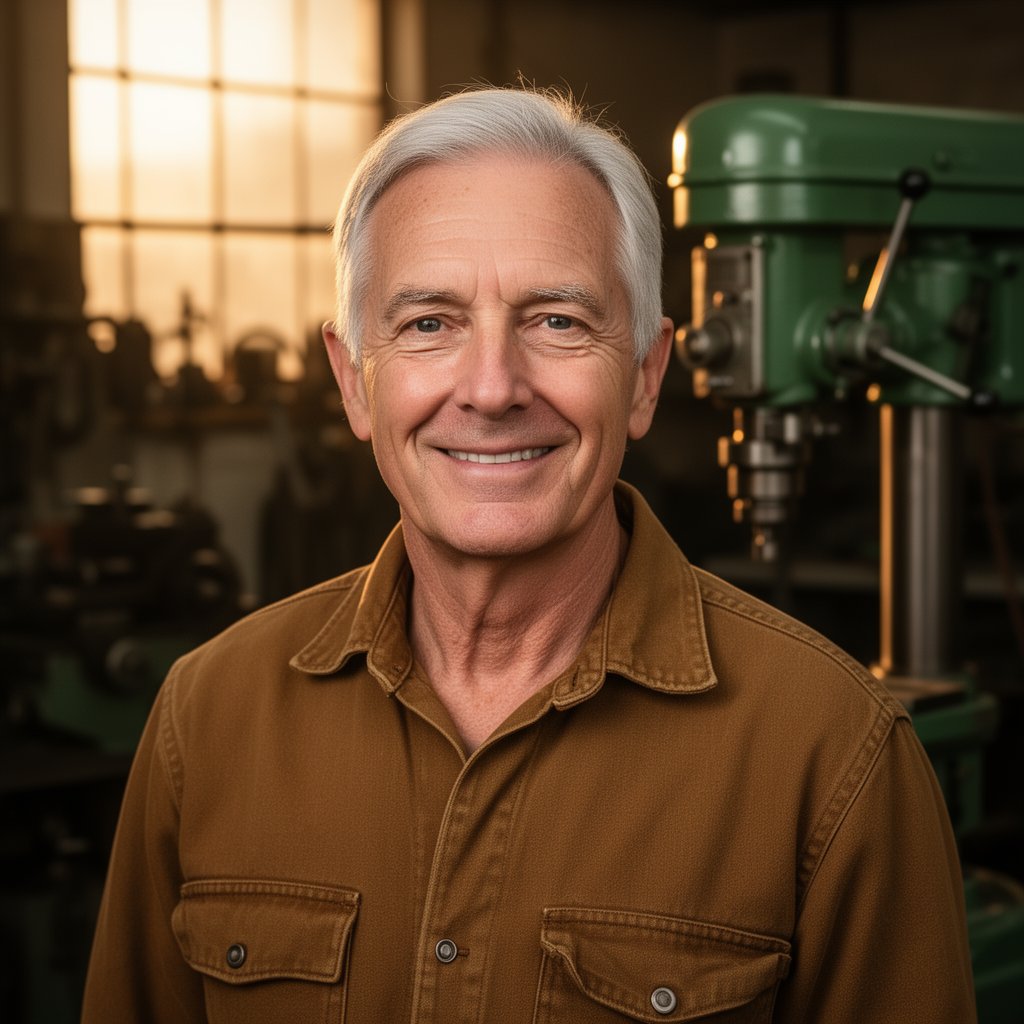
Richard Beaumont has restored over 40 pieces of metalworking equipment, machinery, and workshop infrastructure during the past 18 years. From rusted drill presses and vintage bandsaws to abandoned trailers and shop fixtures, he documents the complete process of evaluation, disassembly, repair, and reassembly.
His work includes careful cost tracking, parts sourcing strategies, and technical challenges specific to older machinery. Richard draws on manufacturer service manuals, material compatibility data, and mechanical engineering references to ensure restorations are both functional and safe. Readers appreciate his balanced assessments of which projects are worth the effort and the practical skills gained through hands-on revival of neglected equipment.
Edward Sinclair
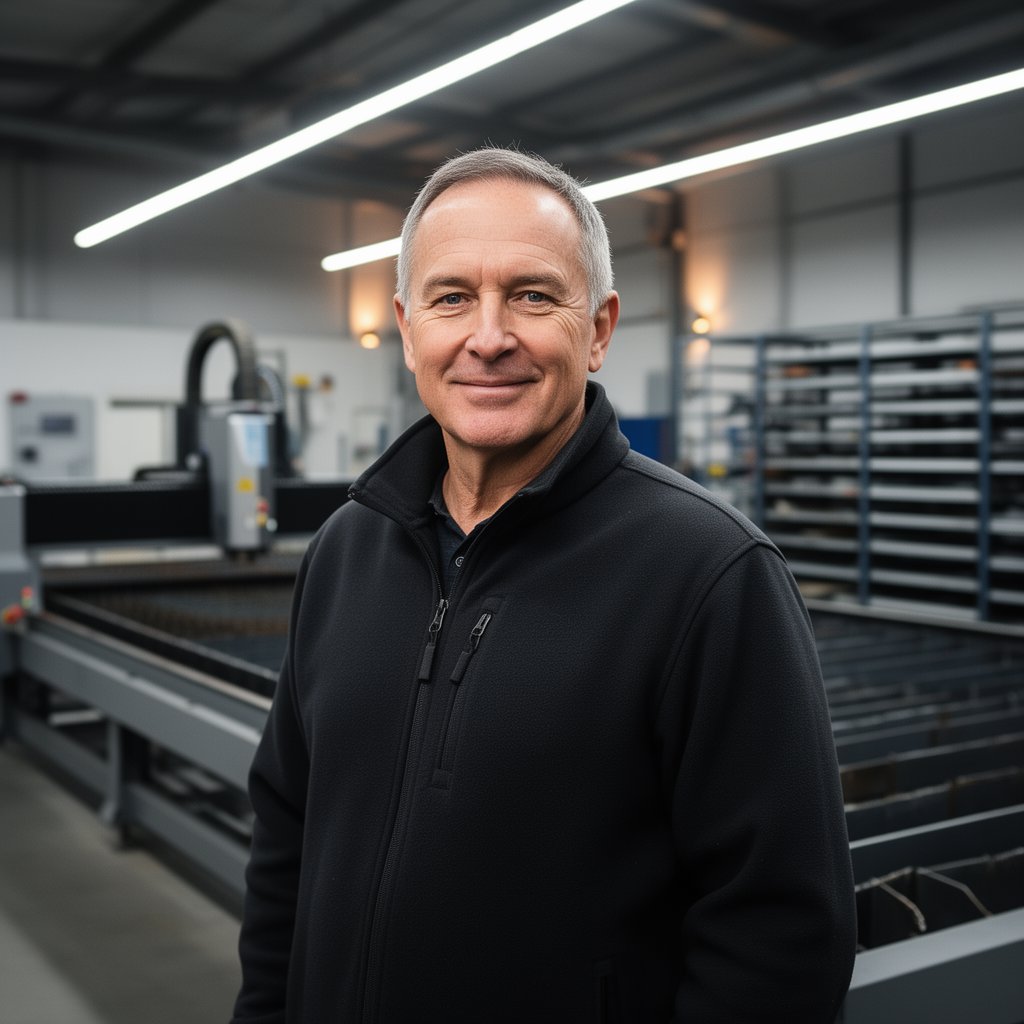
Edward Sinclair has operated a progressive home-based fabrication shop for more than 20 years, evolving from basic setups to advanced workflows incorporating CNC plasma systems, improved material handling, and efficient production techniques. With a background in manufacturing operations, he focuses on systems that meaningfully improve productivity and capability.
Edward references lean manufacturing principles, equipment integration strategies, and workflow optimization methods adapted to small-scale shops. His writing explores the decision-making behind major upgrades, layout changes, and process improvements, supported by before-and-after metrics from his own workshop. He helps experienced fabricators navigate the transition from hobby-level to more professional operations through practical, experience-tested insights.