Essential Safety Gear for Metal Grinding and Cutting (Tips)
I remember standing in my first 400-square-foot garage back in 2013, staring at a concrete floor and a very thin stack of cash. I had exactly $2,000 to turn that empty space into a functional shop. The temptation to spend every cent on the loudest, biggest machines was intense. However, my background as an industrial maintenance technician taught me a hard lesson early on: the most expensive tool in the shop is the one that fails to protect the operator. When you start working with metal, you are essentially creating a storm of tiny, sharp projectiles and invisible dust. Managing these hazards is the first step in any successful shop layout.
Financial anxiety is a real hurdle for beginners aged 25 to 45 who are balancing mortgages or young families. You want to build things, but you do not want to waste money on gear that does not work. Over the years, I have tracked every dollar spent on my workshop evolution. I found that allocating about 30% of your initial budget to high-quality personal protection and measuring tools is the sweet spot. This approach prevents the “buy it twice” syndrome that plagues many starter metal workshops. By focusing on verified safety standards right away, you create a space where you can focus on your craft rather than worrying about a trip to the clinic.
Primary Shielding for High-Velocity Debris
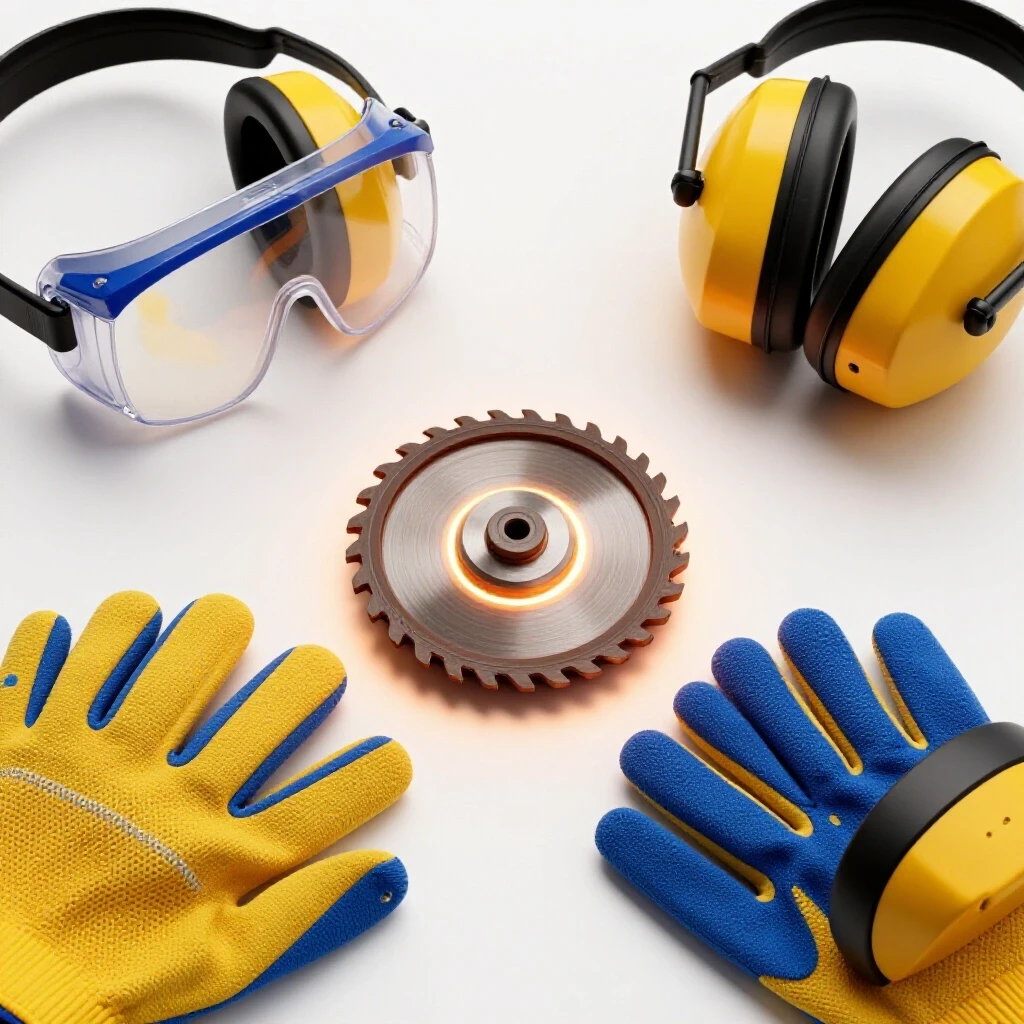
Primary shielding refers to the physical barriers placed between your eyes and the mechanical hazards of metal fabrication. This includes impact-rated glasses and full-face shields designed to withstand the energy of a fragmented abrasive wheel. These items are the most critical components of your daily kit.
When you are setting up an affordable fabrication tools list, eye protection is non-negotiable. I follow the American National Standards Institute (ANSI) Z87.1 guidelines. This standard ensures that your glasses can handle a high-velocity impact. In my early years, I made the mistake of using cheap, non-rated “safety” glasses from a discount bin. They fogged up constantly, which actually increased my risk because I kept taking them off to see my work.
Interestingly, glasses alone are rarely enough when you are removing material. A full-face shield should be worn over your safety glasses. This “double-up” method is a standard industrial practice. If an abrasive disc breaks, the shield catches the bulk of the energy, and the glasses protect against anything that bounces underneath. I track my gear lifespan, and a good face shield usually lasts two years if you keep the lenses clean.
| Gear Type | Minimum Standard | Estimated Cost | Replacement Interval |
|---|---|---|---|
| Impact Glasses | ANSI Z87.1+ | $15 – $25 | 6 – 12 Months |
| Face Shield | ANSI Z87.1 (High Impact) | $30 – $50 | 2 Years |
| Prescription Inserts | ANSI Z87.1 | $50 – $100 | As needed |
Building on this, the “+” mark on the ANSI rating is vital. It indicates a high-impact rating rather than just basic coverage. For a beginner shop, spending $40 on a high-quality, anti-fog face shield is a better investment than buying five cheap ones that scratch easily. If you cannot see your cut line clearly, your work quality will suffer, and your frustration will grow.
Respiratory Health and Particulate Management
Respiratory health involves protecting your lungs from the fine metallic dust and abrasive particles generated during material removal. This requires a combination of wearable masks and localized garage workshop ventilation to ensure the air remains breathable.
When you grind or cut metal, you create “swarf,” which is a mix of metal bits and abrasive grit. These particles are often small enough to stay suspended in the air for hours. In my second shop iteration, I didn’t prioritize air quality. I would blow my nose at the end of the day and see gray dust. That was a massive red flag. Now, I use a tiered approach to air safety.
First, a tight-fitting respirator is essential. For most home shops, an N95 disposable mask is the bare minimum, but I recommend a half-face respirator with P100 filters. These filters catch 99.9% of particles, including oil-based aerosols. They are more comfortable for long sessions and actually cost less over time because you only replace the filters, not the whole mask.
- N95 Masks: Good for quick, five-minute tasks.
- P100 Half-Face Respirators: Best for extended grinding or heavy material removal.
- Localized Extraction: Using a vacuum or fan to pull dust away at the source.
As a result of tracking my shop air quality, I found that even a simple 20-inch box fan with a high-quality furnace filter taped to it can help. However, for a professional-grade setup, you should aim for at least 100 to 200 Cubic Feet per Minute (CFM) of air movement at your grinding station. This keeps the dust from settling on every surface in your garage, which protects your equipment and your family if your shop is attached to your house.
Skin Protection Against Heat and Abrasions
Skin protection involves wearing materials that can resist high-temperature sparks and the rough edges of freshly cut metal. This includes heavy-duty gloves, leather aprons, and specific clothing choices that avoid the risk of melting or catching fire.
A common rookie mistake is wearing synthetic fabrics like polyester or nylon. These materials do not burn; they melt. If a spark hits a polyester shirt, it can melt the plastic directly into your skin. I always stick to 100% cotton or leather. In my shop log from 2015, I noted that a heavy denim “shop shirt” lasted three times longer than standard t-shirts when doing heavy prep work.
Gloves are another area where beginners often struggle with “analysis paralysis.” You need protection, but you also need dexterity. For cutting and grinding, I prefer a medium-weight leather glove. It provides enough thickness to handle hot metal but enough flexibility to operate switches safely. Avoid “mechanic style” gloves with plastic pads on the back, as these often melt when exposed to a stream of sparks.
- Material Choice: Use 100% cotton, wool, or leather.
- Sleeve Length: Always keep sleeves down to prevent “sunburn” from sparks.
- Footwear: Leather boots are a must. Synthetic sneakers can catch sparks in the laces and melt.
Interestingly, the way you wear your clothes matters as much as what they are made of. I never tuck my pants into my boots. This creates a “funnel” that can catch hot sparks and drop them right into your socks. Instead, let your pant legs cover the tops of your boots. It is a small detail that prevents a very painful surprise during a project.
Hearing Conservation in Confined Spaces
Hearing conservation is the practice of reducing the decibel levels reaching your ears to prevent permanent damage. Metalwork is inherently loud, often exceeding 100 decibels, which can cause hearing loss in as little as 15 minutes without protection.
In a small garage, sound bounces off the hard walls and floor, amplifying the noise. When I first started, I ignored earplugs because I was “only doing one quick cut.” Now, I have a constant ringing in my ears—tinnitus—that reminds me of those mistakes. Most grinders operate at 90 to 105 decibels. According to OSHA guidelines, exposure to 100 decibels should be limited to two hours a day, but in a confined garage, that limit is reached much faster.
I recommend a dual-layer approach for beginners. Use foam earplugs with a Noise Reduction Rating (NRR) of 25 or higher, and then wear earmuffs over them. This is especially helpful when working inside a metal cabinet or a vehicle frame where the noise is trapped.
| Noise Source | Decibel Level (Approx.) | Safe Exposure Without Gear |
|---|---|---|
| Normal Conversation | 60 dB | Unlimited |
| Handheld Grinder | 95 – 105 dB | < 1 Hour |
| Abrasive Chop Saw | 105 – 115 dB | < 15 Minutes |
| Impact Wrench | 110 – 120 dB | < 5 Minutes |
Building on this data, I keep a jar of earplugs right next to my tool rack. If the protection is easy to reach, you are more likely to use it. I also suggest earmuffs with built-in speakers if you enjoy music, but make sure they are still rated for high-decibel reduction. Never use standard “noise-canceling” headphones designed for travel; they are not designed to block the sharp, high-frequency peaks of metal cutting.
Strategic Layout for Hazard Mitigation
A safe workshop layout involves arranging your tools and work surfaces to control where sparks, dust, and noise travel. This planning stage helps prevent fires and protects other equipment from being damaged by metallic debris.
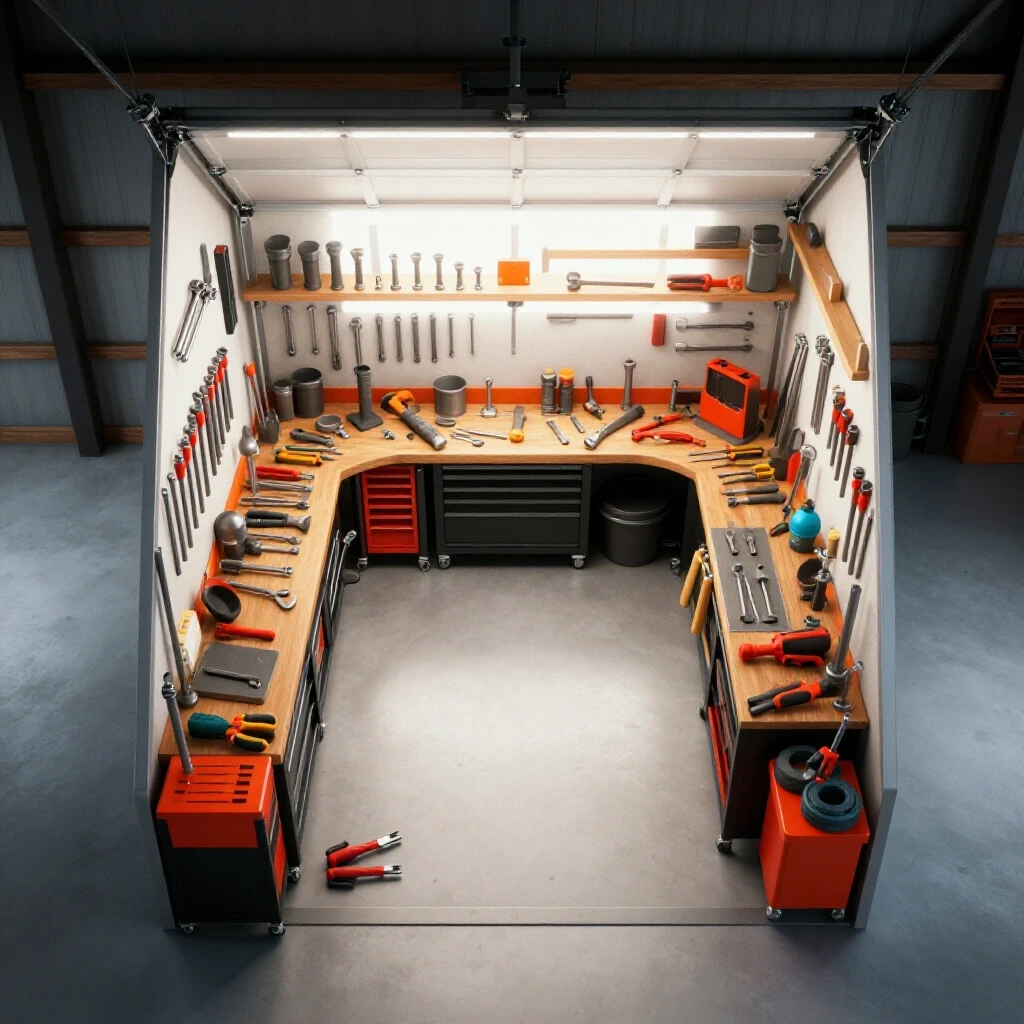
When drafting your starter metal workshop layout, you must designate a “dirty zone.” This is an area specifically for tasks that produce sparks and dust. I keep my grinding station away from my toolboxes and precision measuring equipment. Metallic dust is conductive and abrasive; if it gets into your power strips or the drawer slides of your toolbox, it will cause premature failure.
I use a simple “15-amp vs 20-amp” rule for my shop electrical setup checklists. High-draw tools like grinders should ideally be on a dedicated 20-amp circuit. This prevents the breaker from tripping mid-cut, which can be dangerous if you lose lighting at the same time. I also make sure my “dirty zone” has a clear floor space of at least 3 feet around the workbench to prevent tripping on cords.
- Identify the spark path: Aim your sparks toward a non-flammable wall or a spark shield.
- Clear the “fire zone”: Remove all cardboard, sawdust, and chemicals within 10 feet of your work area.
- Position ventilation: Place your fan so it pulls dust away from your face, not across it.
- Lighting: Ensure you have at least 100 foot-candles of light at the work surface to see small hazards.
By following these workshop electrical draw limits and layout principles, you reduce the “chaos factor” in your shop. A clean, organized space is naturally safer because you aren’t fighting your environment while trying to focus on a difficult cut. I track my shop cleaning time, and spending 10 minutes at the end of each session to vacuum up metal dust saves hours of maintenance later.
Budgeting for Your Protection Kit
Budgeting for safety involves tracking the costs of your gear against your total shop startup funds. This ensures you do not run out of money before acquiring the essential items needed to operate your tools safely.
When I help beginners with their budget metalworking tools list, I use a percentage-based allocation. If your total budget is $2,000, you should expect to spend about $300 to $400 on your personal gear and shop safety items. This might seem like a lot, but it is much cheaper than an emergency room visit or a shop fire.
I use a simple spreadsheet to track these costs. I categorize items as “consumable” (like earplugs and masks) or “durable” (like leather aprons and earmuffs). This helps me plan for future expenses. For example, I know I will need to spend about $50 every six months on replacement filters and lenses.
- High-Quality Respirator: $35 (Durable)
- P100 Replacement Filters: $15 (Consumable)
- Leather Apron: $40 (Durable)
- ANSI Z87.1+ Face Shield: $45 (Durable)
- Hearing Protection (Muffs): $30 (Durable)
- Fire Extinguisher (Class ABC): $60 (Durable)
As a result of this meticulous record-keeping, I have found that buying mid-range gear is often the most cost-effective path. The cheapest gear breaks too fast, and the most expensive “boutique” gear often provides diminishing returns for a hobbyist. Stick to reputable industrial brands that meet the AWS and OSHA-adjacent standards I have mentioned.
Practical Maintenance of Protective Equipment
Maintaining your gear involves regular cleaning and inspection to ensure it still provides the rated level of protection. Damaged or dirty gear can provide a false sense of security, which is often more dangerous than having no gear at all.
Every month, I perform a “safety audit” of my shop. I check my face shield for deep scratches that could impair vision or weaken the plastic. I also inspect my respirator valves to make sure they aren’t stuck with dust. If you can smell the metal while wearing your mask, the seal is broken or the filters are full.
Interestingly, sweat and skin oils can degrade the foam on earmuffs and the rubber on respirators over time. I wipe my gear down with mild soap and water after heavy use. This simple habit has extended the life of my $40 respirator to over four years. I also store my respirator in a sealed gallon-sized plastic bag. This prevents the charcoal filters from “working” by absorbing smells from the garage while I’m not even wearing it.
- Wipe lenses with a microfiber cloth to prevent micro-scratches.
- Check leather gloves for holes or thinning in the fingertips.
- Test the “rebound” of foam earplugs; if they don’t expand, toss them.
- Ensure fire extinguishers are still in the “green” pressure zone.
Building on these habits ensures that when you are ready to work, your gear is ready too. There is nothing more frustrating than getting an hour of free time to work on a project, only to find your face shield is too scratched to see through. A little bit of maintenance goes a long way in a budget-conscious shop.
Frequently Asked Questions
Can I just use my woodworking dust mask for metal projects?
Woodworking masks are often designed for larger sawdust particles. Metal grinding produces much finer, heavier particles and often includes fumes from coatings or oils. I recommend a P100 rated respirator for metalwork, as it provides a higher level of filtration and a better facial seal than standard paper masks.
Why do I need a face shield if I am already wearing safety glasses?
Safety glasses protect your eyes from direct hits, but they leave your face, neck, and chin exposed. A fragment from a broken cutting disc can travel at over 100 miles per hour. A face shield acts as a primary crumple zone, absorbing the impact energy before it reaches your glasses or your skin.
Are “auto-darkening” welding helmets safe for grinding?
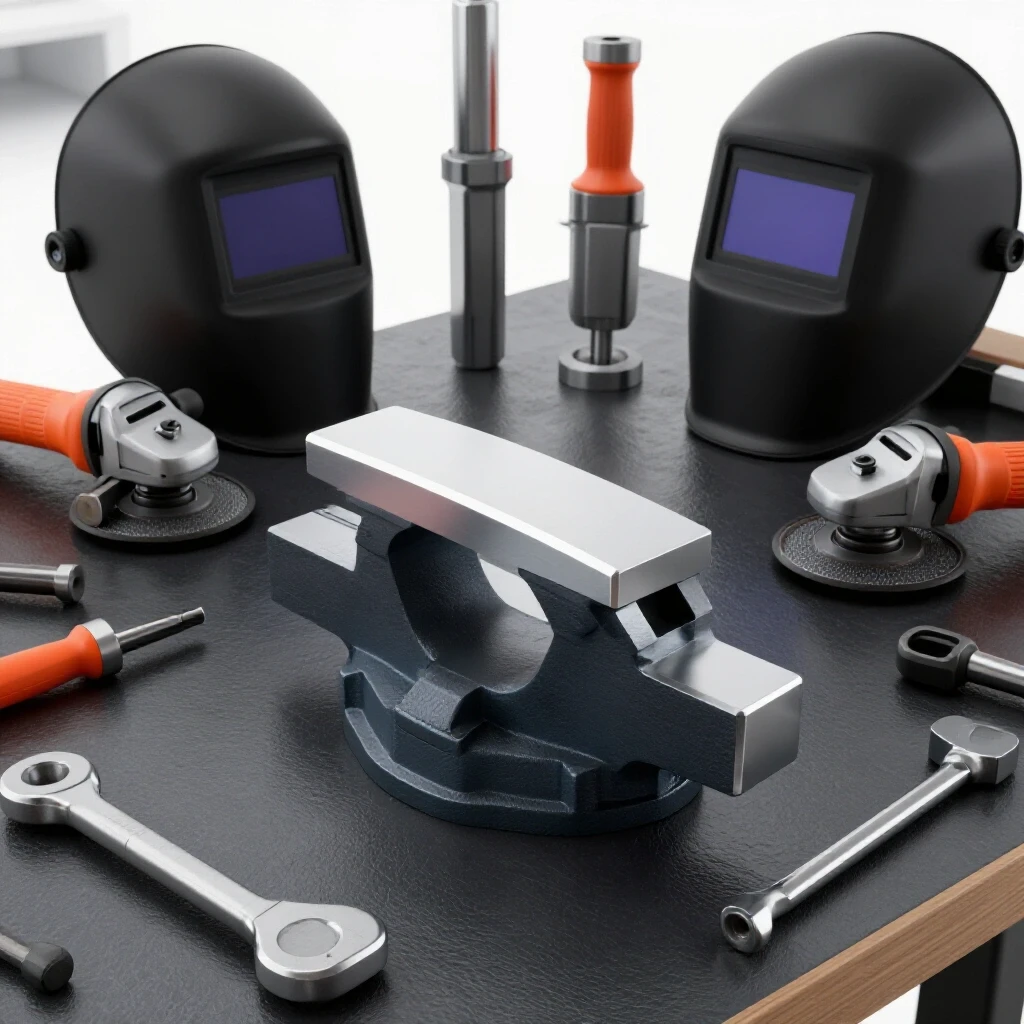
Many modern auto-darkening helmets have a “grind mode” that keeps the lens clear. This is very convenient. However, make sure the helmet shell and the clear cover lens are ANSI Z87.1 rated for high-impact. Some lighter welding hoods are not designed to withstand the physical impact of a shattered grinding wheel.
How do I stop my safety glasses from fogging up while wearing a mask?
Fogging usually happens because warm air is escaping from the top of your respirator. Ensure your mask has a good seal around the bridge of your nose. You can also buy anti-fog wipes or choose glasses with a dedicated anti-fog coating. This is a common pain point, but a well-fitted respirator will solve 90% of the problem.
Is a leather apron really necessary for a hobbyist?
While not strictly “mandatory” for every small task, a leather apron is a massive safety boost. It protects your chest and midsection from sparks and provides a layer of abrasion resistance if a tool kicks back. It also keeps your clothes from being ruined by metal dust and grease, which saves you money on laundry and replacement clothing.
What is the difference between N95 and P100 filters?
N95 filters catch 95% of airborne particles but are not resistant to oil. P100 filters catch 99.9% of particles and are oil-proof. Since many metal stocks have a thin coating of oil to prevent rust, the P100 is the superior choice for a fabrication environment.
How often should I replace my earplugs?
Disposable foam earplugs should be replaced as soon as they become dirty or lose their elasticity. If they don’t expand to fill your ear canal, they aren’t protecting you. For reusable silicone plugs, wash them with soap and water weekly and replace them every few months.
Can I wear shorts in the shop if it is hot?
I strongly advise against wearing shorts. Exposed skin is a magnet for hot sparks and sharp metal slivers. In a small shop, you are often working in close quarters with your material. Long pants made of natural fibers are a fundamental layer of protection that you should never skip.
What should I look for in a shop fire extinguisher?
Look for a Class ABC dry chemical extinguisher. “A” is for common combustibles like wood and paper, “B” is for flammable liquids, and “C” is for electrical fires. Keep it mounted near the exit of your shop, not right next to the grinding station, so you don’t have to reach through a fire to get it.
Do I need a special ventilation system for a single-car garage?
You don’t necessarily need an industrial HVAC system, but you do need airflow. A combination of an open door, a powerful exhaust fan, and a localized dust collector (like a shop vac with a HEPA filter) is usually sufficient for a hobbyist. The goal is to move the air at least 4 to 6 times per hour.
How can I tell if my gloves are safe for grinding?
Look for gloves made of top-grain or split-hide leather. Avoid any gloves with plastic, nylon, or “breathable” mesh backs, as sparks will melt right through them. The glove should fit snugly enough that you can pick up a coin, but thick enough that you can’t feel the heat of a spark immediately.
Why is 100% cotton better than a cotton-poly blend?
Even a small percentage of polyester can melt. In a flash-fire or heavy spark situation, the synthetic fibers will turn into a hot liquid that sticks to your skin, causing much deeper burns than natural fibers. Always check the tag on your shop clothes to ensure they are 100% cotton, wool, or treated FR (Flame Resistant) material.
(This article was written by one of our staff writers, Michael Thompson. Visit our Meet the Team page to learn more about the author and their expertise.)