How to Improve Fuel Efficiency on Diesel Welders (DIY Guide)
When I first started taking on mobile repair jobs, I thought my biggest expense was the filler rod. I was wrong. I vividly remember a week-long gate repair project where I ran my diesel-driven welder for eight hours a day. At the end of the week, I realized the money I spent at the pump had chewed through nearly 20% of my planned profit. I had estimated the job based on my shop’s electricity bill, completely ignoring the reality of running an internal combustion engine in the field.
For those of us moving from hobbyist work to a side-hustle or a full-time small shop, the diesel welder is often our most expensive employee. It is a mobile power plant that demands a “salary” in the form of fuel and maintenance. If you don’t manage its consumption, you aren’t just fabricating metal; you are burning cash. This guide focuses on the practical, hands-on steps you can take to lower your operational costs and ensure your machine runs as lean as possible.

Establishing a True Shop Rate for Mobile Fabrication
Determining a shop rate involves calculating every penny spent to keep your business running for one hour. This includes fixed costs like insurance and variable costs like the diesel flowing into your welder’s tank.
In my early years, I charged $50 an hour because it “felt right.” I didn’t realize that my actual cost to exist—before I even touched a torch—was nearly $35 an hour. For a mobile fabricator, the hourly rate must reflect the machine’s consumption. A diesel welder typically burns between 0.5 and 1.5 gallons per hour depending on the load. If diesel is $4.00 a gallon, and you are running at high idle all day, your machine is costing you $6.00 an hour just to stay awake.
To find your true rate, you need to add your “burdened” costs. This includes the machine’s depreciation, the fuel it consumes, and the maintenance it requires. Most small shops find their sweet spot between $65 and $120 per hour. If you are below this, you are likely subsidizing your customers’ projects with your own savings.
Understanding Machine Amortization and Depreciation
Amortization is the process of spreading the cost of an expensive tool over its useful life. Depreciation is the actual loss of value that happens as you put hours on the engine.
When you buy a $15,000 diesel welder, you aren’t just spending that money today. You are buying a finite number of arc hours. If the machine is rated for 10,000 hours, every hour you run it costs you $1.50 in “machine life.” I track this religiously. By knowing the hourly depreciation, I can set aside money for the machine’s eventual replacement. This prevents a financial crisis when the engine finally gives up the ghost.
| Expense Category | Typical Hourly Cost (Small Shop) | Why It Matters |
|---|---|---|
| Diesel Fuel | $3.50 – $6.50 | Direct variable cost that changes with load. |
| Machine Depreciation | $1.50 – $2.50 | Saves money for your next equipment upgrade. |
| Consumables (Rod/Gas) | $4.00 – $8.00 | Often underestimated in small job bidding. |
| Insurance/Overhead | $10.00 – $15.00 | The cost of having a legal business. |
| Total Base Cost | $19.00 – $32.00 | The minimum you must earn to break even. |
Reducing Diesel Consumption Through Load Management
Load management is the practice of matching your machine’s output to the specific requirements of the weld. Running a machine at maximum RPM for a light-gauge repair is a primary cause of wasted fuel.
One of the biggest mistakes I see is “set it and forget it” syndrome. A fabricator will set the machine to a high idle and leave it there while they grind, fit, or take a phone call. Most modern diesel welders have an “auto-idle” feature. This drops the engine to a low RPM when you aren’t drawing an arc. If your machine has this, use it. If it doesn’t, you must manually throttle down during prep work.
Interestingly, the amperage you choose also impacts the fuel burn. Pushing 250 amps for a heavy structural weld consumes significantly more fuel than tacking at 90 amps. By selecting the correct electrode size and matching your heat to the material, you ensure the engine isn’t working harder than necessary. This isn’t just about saving fuel; it’s about reducing heat stress on the engine components.
Matching Auxiliary Power Demands
Auxiliary power refers to using the welder’s generator to run grinders, saws, or lights. This draws power directly from the engine and increases the load.
I once worked with a guy who left his diesel welder running at high idle just to power a single LED work light. He was essentially spending $5 an hour in fuel to run a light that costs pennies to operate. If you are doing extensive grinding or prep work, consider using a small, dedicated portable generator for your power tools. It is often cheaper to run a tiny 2,000-watt gas generator for your grinder than to keep a large diesel engine humming for hours.
DIY Maintenance for Peak Engine Efficiency
Routine maintenance involves simple tasks like changing filters and checking belts to ensure the engine operates without unnecessary resistance. A well-maintained engine breathes better and uses less fuel to produce the same power.
A clogged air filter is a silent profit killer. If the engine can’t get enough air, the fuel-to-air ratio becomes “rich,” meaning you are burning fuel that isn’t being converted into work. I check my air filters every 50 hours of operation. In dusty environments, like a construction site or a dry farm, I check them daily. Replacing a $30 filter is always cheaper than burning an extra ten gallons of diesel over a month of work.
Governor Tuning and RPM Calibration
The governor is the mechanical or electronic component that controls the engine’s speed. It ensures the engine stays at the correct RPM to produce the right electrical frequency.
Over time, vibrations can cause the governor linkage to drift. If the engine is spinning faster than the manufacturer’s specs, you are wasting fuel. If it’s too slow, your weld quality will suffer. I use a simple handheld tachometer to check my high and low idle speeds once a season. Staying within the factory-recommended RPM range ensures you are getting the most “arc for your buck.” Never try to “over-clock” the engine for more power; you will only succeed in shortening its life and increasing your fuel bills.
- Check fuel filters for sediment or water.
- Inspect fan belts for proper tension to avoid slippage.
- Ensure the cooling system is clean so the engine runs at the optimal temperature.
Hidden Consumables and the Material Markup
Consumables are the items you use up during a project, such as welding rods, grinding wheels, and shielding gas. A material markup is a percentage added to the cost of these items to cover the time spent sourcing them and the cost of shop supplies.
I used to forget to charge for the “little things.” A handful of zip ties here, a splash of primer there—it adds up. Now, I apply a standard 15% to 20% markup on all materials. If I buy $100 worth of steel, the customer pays $120. This covers my time driving to the steel yard and the wear and tear on my truck. For consumables like diesel, I factor a “fuel surcharge” into my mobile service fee. This ensures that a spike in fuel prices doesn’t turn a profitable job into a break-even one.
Tracking Consumable Usage for Accurate Bids
Tracking involves logging exactly how much material is used on every job to improve the accuracy of future quotes.
I keep a simple notebook in the truck. For every job, I write down the starting and ending hours on the welder’s meter and how many rods I used. Over time, this data becomes a gold mine. I now know that a typical residential handrail takes me roughly 1.5 gallons of diesel and half a box of 7018 rods. When a customer calls for a quote, I don’t have to guess. I look at my historical data and provide a bid that I know will be profitable.
- Log the machine hours before and after each project.
- Count the number of grinding discs consumed.
- Estimate the percentage of the gas bottle used.
- Record the total fuel added to the tank for that specific job.
Building a Custom Job Quote for Profitability
A custom job quote is a detailed breakdown of labor, materials, and overhead provided to a client before work begins. It protects both you and the customer from “sticker shock.”
When I quote a job, I use a three-part formula: (Labor Hours x Shop Rate) + (Material Cost + Markup) + (Specialty Fees). The “Specialty Fees” section is where I account for things like heavy diesel usage or difficult site access. If I’m welding 1/2-inch plate all day, I know my fuel consumption will be at the high end of the scale. I adjust the quote accordingly. Being transparent with the customer about these costs builds trust. I often tell them, “This job requires the machine to run at high output, which increases the fuel requirement.” Most clients understand and appreciate the honesty.
Analyzing Post-Job Profits
Post-job analysis is the practice of looking at your actual expenses after a project is finished and comparing them to your initial estimate.
This is the most important step for any side-hustle. If I estimated a job would take five hours and it took eight, I need to know why. Was it a mechanical issue? Did I burn more fuel than expected? By performing a “post-mortem” on every project, you find the leaks in your bucket. Maybe you realized that your machine’s fuel consumption was higher because you didn’t utilize the auto-idle feature. That realization might save you $50 on the next job.
| Project Phase | Estimated Cost | Actual Cost | Variance |
|---|---|---|---|
| Labor (10 hours) | $800.00 | $960.00 | +$160.00 |
| Diesel Fuel | $45.00 | $62.00 | +$17.00 |
| Materials | $200.00 | $215.00 | +$15.00 |
| Total | $1,045.00 | $1,237.00 | +$192.00 |
In this example, the “variance” shows that the job was under-quoted. This usually happens because of “hidden” time spent on setup or unexpected fuel burn.
Sourcing Strategies for Small Metal Shops
Sourcing is the process of finding and purchasing the materials and supplies needed for your fabrication work. Smart sourcing reduces your “cost of goods sold.”
Don’t just buy fuel at the station closest to the job site. If you are running a diesel welder regularly, those extra 20 cents per gallon add up. I use apps to find the best fuel prices along my route. Additionally, I buy my consumables—like welding rods and grinding wheels—in bulk. Buying a 50-lb tin of rod is significantly cheaper per pound than buying five 10-lb packs. The same applies to engine oil and filters. Buying a case of filters saves money and ensures you always have one on hand, which prevents you from skipping a maintenance interval.
Bulk Fuel and Storage Considerations
For some shop owners, keeping a tidy fuel storage tank on-site can be a game-changer.
If you have the space and meet local safety regulations, buying diesel in bulk can save you a significant amount over a year. However, you must factor in the cost of the tank and the risk of fuel degradation. I personally prefer to use a high-quality transfer tank in the back of my truck. This allows me to fill up at high-volume truck stops where the fuel is fresh and the prices are often lower than at passenger-car stations.
- GasBuddy or similar apps: Use these to track local fuel prices daily.
- QuickBooks or FreshBooks: Excellent for tracking expenses and sending professional invoices.
- Excel/Google Sheets: Build a simple spreadsheet to track your machine hours and fuel consumption.
- Manufacturer’s Service Manual: This is your bible for DIY maintenance and part numbers.
Practical Steps for Long-Term Efficiency
Improving the economy of your welding operations isn’t a one-time event. it’s a habit. It starts with the way you warm up the machine in the morning and ends with how you log your hours at night.
I recommend starting small. For the next month, simply track every gallon of diesel you put into your welder. Note the hour meter reading each time. This data will tell you more about your business than any textbook ever could. You will see exactly how much it costs to keep your machine running, and you’ll be more motivated to flip that auto-idle switch or change that dirty air filter.
Next, look at your pricing. If you haven’t raised your rates in two years, you are likely losing money to inflation and rising energy costs. A modest increase in your hourly shop rate can cover your fuel expenses and allow you to invest back into better, more efficient equipment. Remember, your goal is to build a sustainable business, not just a busy one.
Frequently Asked Questions
How does air filter cleanliness affect my welder’s fuel consumption?
An engine needs a specific mix of air and fuel to run efficiently. A dirty air filter restricts airflow, forcing the engine to work harder to pull in air. This often results in an “over-rich” condition where fuel is wasted because there isn’t enough oxygen to burn it completely. Regularly cleaning or replacing the filter ensures the engine stays in its “sweet spot” for fuel economy.
Is the auto-idle feature really that important for saving money?
Yes, it is one of the most effective ways to reduce fuel burn. A diesel welder can spend 30% to 50% of its run time idling while the operator is measuring, fit-up, or cleaning welds. Auto-idle drops the engine to a much lower RPM during these gaps, significantly cutting the amount of diesel consumed per hour of total run time.
Can I tune the governor myself to save fuel?
You can perform basic checks to ensure the engine is running at the manufacturer’s specified RPM. However, you should never adjust the governor to run the engine slower than the recommended “low idle” or faster than the “high idle.” Doing so can cause electrical issues with the welding arc and may lead to premature engine wear.
Why should I use a separate generator for my power tools?
A large diesel welder is designed to produce hundreds of amps of welding power. Using that massive engine to run a small 5-amp angle grinder is highly inefficient. A small, portable gasoline generator is much more fuel-efficient for light electrical loads, allowing you to keep the diesel engine off until it’s time to actually strike an arc.
How do I factor fuel costs into a job bid without scaring off customers?
The best way is to include a “Mobile Service Fee” or “Equipment Surcharge.” This covers the cost of getting the machine to the site and the fuel it consumes while there. Most customers understand that specialized equipment has operational costs. Being transparent about these fees is better than hiding them in a high labor rate.
What is the best way to track how much fuel my welder uses per hour?
Start by filling the tank completely and recording the hour meter reading. Run the machine as you normally would for several jobs. The next time you fill up, record how many gallons it took and the new hour meter reading. Divide the gallons by the hours passed to find your average “burn rate.”
Does the type of welding rod I use affect fuel economy?
Indirectly, yes. Some rods require higher amperages or more passes to achieve the same result. For example, using a larger diameter rod for a heavy weld might allow you to finish the job faster, reducing the total time the engine is running. Choosing the most efficient process for the job always helps the bottom line.
How often should I perform DIY maintenance to keep costs down?
Follow the manufacturer’s schedule, but consider doing it more often if you work in harsh conditions. A good rule of thumb for small shop owners is to check fluids and filters every 50 hours and perform a full oil and filter change every 100 to 250 hours depending on the machine’s age and usage.
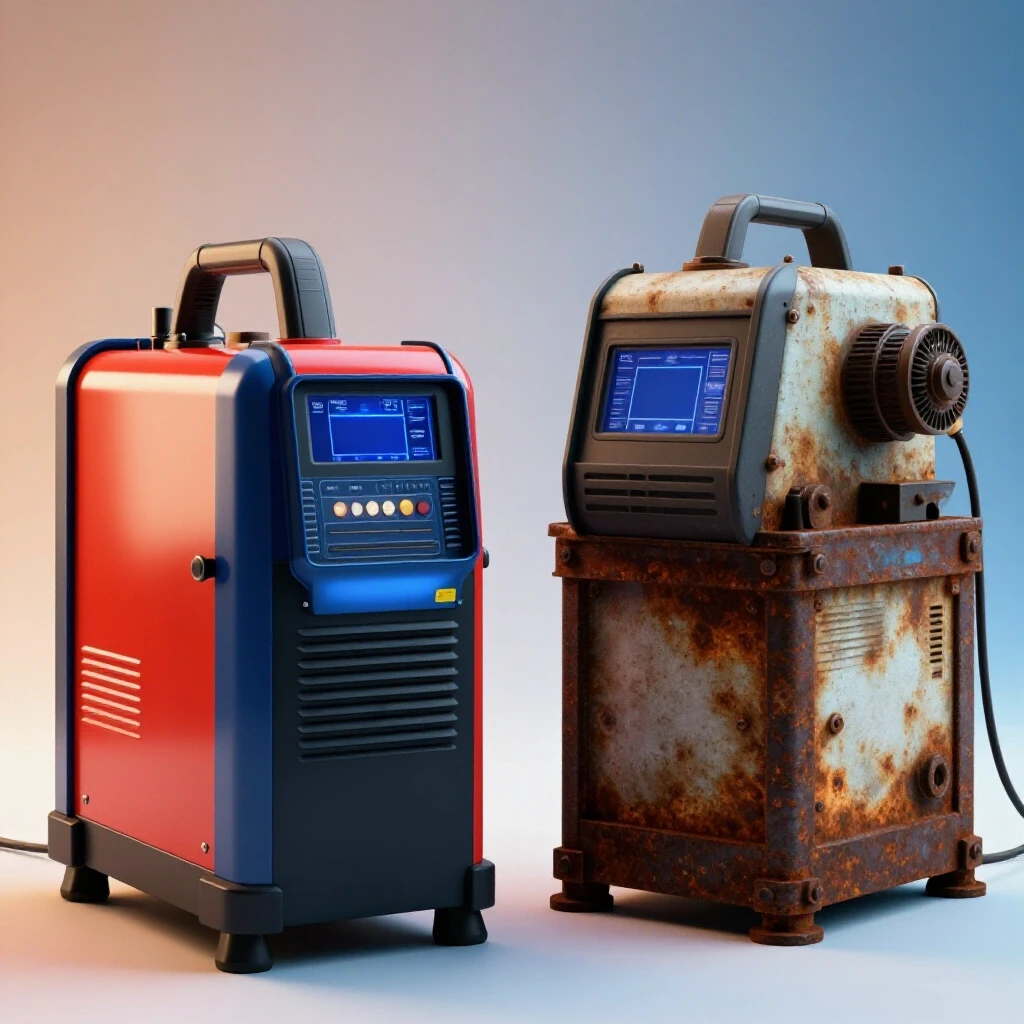
Should I buy a new, more efficient welder or keep my old one?
This depends on your “payback period.” Calculate how much fuel you would save per year with a newer machine. If the new machine costs $10,000 but only saves you $500 a year in fuel, the payback period is 20 years, which may not be worth it. However, if the new machine also reduces maintenance costs and increases your productivity, the investment might make sense.
What are the “hidden” costs of running a diesel welder?
Beyond fuel, you have oil, filters, coolant, battery replacement, and tire wear on the trailer. There is also the “opportunity cost” of the time you spend maintaining the machine. Factoring all of these into your shop rate is the only way to ensure you are actually making a profit.
(This article was written by one of our staff writers, Michael Hargrove. Visit our Meet the Team page to learn more about the author and their expertise.)