Essential Metalworking Safety Gear You Need to Buy (Review)
In my fifteen years of running a small-scale fabrication shop, I have filled dozens of notebooks with maintenance logs. These journals don’t just track the oil changes on my cold saws or the brush life of my grinders. They also track the gear that keeps me functional. I’ve learned the hard way that a tool is only as productive as the person operating it. If you are distracted by a fogged-up face shield or nursing a flash burn on your wrist, your precision drops. Over time, I have found that marketing claims about “unbreakable” lenses or “all-day comfort” rarely hold up to the grit and heat of a real workshop.
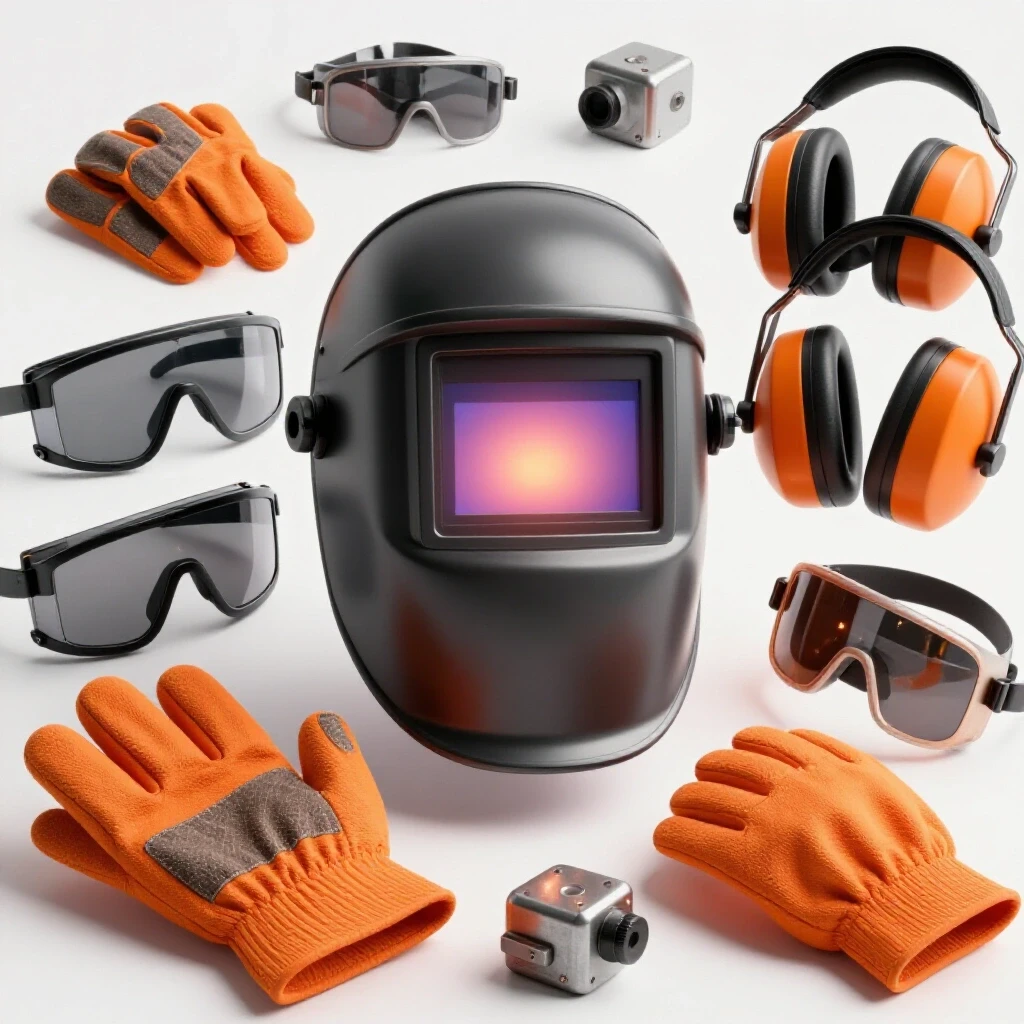
When I first started, I bought the cheapest PPE I could find, thinking I was saving money for better machinery. That was a mistake. After three years, I looked at my logs and realized I was replacing five-dollar safety glasses every two weeks because they scratched so easily I couldn’t see my layout lines. I was spending more on low-quality disposables than I would have on a single pair of high-end, scratch-resistant optics. This guide is built on those metrics. We are going to look at the protective equipment that actually survives the daily grind, focusing on the technical specs that matter for long-term ownership.
Analyzing Optical Clarity and Impact Ratings in Eye Protection
Eye protection involves selecting lenses that maintain distortion-free vision while providing a physical barrier against high-velocity metal chips and broken abrasive discs. This gear must meet specific industrial standards to ensure the material does not shatter upon impact during heavy grinding or machining.
I’ve found that the biggest frustration for fabricators is lens degradation. In my shop, a standard pair of polycarbonate glasses lasts about 120 runtime hours before the micro-scratches from wiping away metal dust make them unusable. When you are evaluating eye protection, look for the “plus” sign on the ANSI Z87.1 marking. This indicates the gear has passed high-velocity impact testing, which is non-negotiable when you’re standing in the spark stream of a 7-inch angle grinder.
Deciphering ANSI Z87.1+ Markings for High-Velocity Protection
The ANSI Z87.1+ standard is a technical benchmark that ensures eyewear can withstand the impact of a 0.25-inch steel ball traveling at 150 feet per second. This rating is the baseline for anyone working with high-speed rotating tools or striking tools that can create flying debris.
Beyond the impact rating, you need to consider the optical Class. Cheap lenses often have “float” or “waves” in the plastic that cause headaches after four hours of use. I track “wearable hours” in my logs, and I’ve found that lenses with a dedicated anti-fog coating—not just a surface spray—last significantly longer in humid environments or when wearing a respirator.
- Z87+: High-velocity impact rated.
- D3: Protection against splashes and droplets.
- D4: Protection against dust.
- X: Passed the anti-fog test.
| Lens Material | Impact Resistance | Scratch Resistance | Average Cost | Typical Lifespan (Shop Hours) |
|---|---|---|---|---|
| Standard Polycarbonate | High | Low | $5 – $10 | 80 – 100 |
| Hard-Coated Polycarbonate | High | Medium | $15 – $25 | 200 – 300 |
| Trivex | Very High | High | $40 – $60 | 500+ |
| Glass (Side Shields Req) | Low | Very High | $30 – $50 | 1,000+ (if not dropped) |
Respiratory Defense Systems for Fabrication Environments
Respiratory protection refers to the use of mechanical or chemical filters to prevent the inhalation of metallic dust, ozone, and toxic fumes produced during thermal cutting and welding. These systems are rated by their filtration efficiency and their ability to handle oily particulates common in machining.
In my experience, respiratory health is the most overlooked metric in a fabrication shop. I started logging my “post-shop fatigue” and noticed a direct correlation between days spent dry-grinding stainless steel and a heavy feeling in my chest. If you are welding galvanized steel or using a plasma-cutting table, a basic nuisance mask is useless. You need a dedicated respirator that fits under your welding hood without breaking the seal.
P100 vs. N95: Selecting the Right Filtration for Metal Fumes
A P100 filter is designed to block 99.97% of airborne particles and is strongly resistant to oil, which is vital if you use cutting fluids or lubricants in your shop. The N95 rating, while common, is not oil-resistant and can clog quickly in a metalworking environment.
When I evaluate respirators, I look at the “profile” of the mask. A high-profile mask will often bump into the internal structure of a welding helmet, forcing the helmet up and exposing your neck to UV radiation. I recommend “pancake” style filters for fabricators. They are thin enough to sit under a hood while providing the P100 protection necessary for hexavalent chromium or lead fumes.
- P-Series: Oil-proof (best for metalworking).
- N-Series: Not oil-resistant.
- R-Series: Oil-resistant (limited time).
- Efficiency: 100 (99.97%), 99 (99%), or 95 (95%).
Hearing Conservation Strategies for High-Decibel Workshops
Hearing protection involves using passive or active barriers to reduce the sound pressure levels reaching the inner ear, measured in Decibels (dB). Effective gear balances noise reduction with the ability to hear environmental cues or communication from shop partners.
I’ve logged noise levels in my shop using a basic decibel meter. A 4.5-inch angle grinder often hits 105 dB, while a pneumatic scaler can reach 115 dB. According to OSHA standards, exposure to 105 dB should be limited to one hour per day. Since many of us spend four to six hours grinding on a big project, the Noise Reduction Rating (NRR) of your earmuffs or plugs is a critical performance metric.
Understanding Noise Reduction Ratings (NRR) in Practice
The NRR is a laboratory-derived number that indicates how much a device can reduce noise, but the real-world reduction is often much lower. A common rule of thumb is to take the NRR, subtract seven, and divide by two to get the actual decibel reduction you can expect in a working shop.
Interestingly, I’ve found that electronic hearing protection is a game-changer for solo fabricators. These muffs use microphones to amplify low-level sounds like speech or the hum of a cooling fan but “clip” or shut off when a high-decibel sound occurs. This allows you to hear the “sing” of a bandsaw blade—which tells you if it’s getting dull—without sacrificing your long-term hearing.
- Passive Earmuffs: Best for consistent, high-volume noise like large-scale grinding.
- Electronic Earmuffs: Ideal for fluctuating noise environments where communication is needed.
- Expandable Foam Plugs: Highest NRR potential but requires perfect insertion to be effective.
- Reusable Silicone Plugs: Lower NRR but more comfortable for long-term wear in hot shops.
| Device Type | Rated NRR | Real-World Reduction (Estimated) | Best Use Case |
|---|---|---|---|
| Premium Earmuffs | 30 dB | 11.5 dB | Heavy Grinding / Plasma Cutting |
| Foam Earplugs | 33 dB | 13 dB | High-Noise Consistency |
| Electronic Muffs | 22 dB | 7.5 dB | General Shop Work / Instruction |
| Dual Protection (Plugs + Muffs) | 36 dB* | 18 dB | Extreme Noise (Pneumatics) |
| Note: Adding muffs over plugs only adds about 5 dB of additional protection. |
Hand Protection: Material Durability and Dexterity Metrics
Hand protection in metalworking requires a balance between cut resistance, heat insulation, and the tactile sensitivity needed to manipulate small parts or feed TIG rods. Different materials offer varying levels of protection against the sharp burrs of freshly cut steel and the intense infrared radiation of welding.
My maintenance logs show that gloves are the most frequently replaced item in the shop. I used to buy “all-purpose” leather gloves, but they would shrink and harden after a few heavy heat cycles. Now, I categorize my gloves by the task. For heavy material handling, I look for “Level A4” or higher cut resistance. For welding, the type of leather determines the duty cycle of the glove itself.
Comparing Goatskin, Cowhide, and Synthetic Blends for Tool Handling
Goatskin is the gold standard for TIG welding because it is thin, pliable, and contains natural oils that keep it soft even after exposure to heat. Cowhide is much thicker and better suited for MIG welding or handling heavy plates where heat saturation is a major factor.
I’ve tested several synthetic-blend “mechanic” style gloves for general shop work. While they offer great dexterity, they fail almost instantly when exposed to sparks. In my logs, a pair of synthetic gloves lasted only four hours during a heavy grinding session before the stitching melted. For any task involving sparks, stick to 100% leather or FR-rated (Flame Resistant) materials.
- Goatskin: High dexterity, moderate heat resistance.
- Cowhide: Low dexterity, high heat and abrasion resistance.
- Deerskin: Very high comfort, but stretches out and wears through quickly.
- Kevlar Stitching: Essential for any glove used near heat to prevent seam failure.
Body Protection and Flame-Resistant Apparel Standards
Body protection includes clothing and aprons designed to resist ignition and prevent hot slag or sparks from reaching the skin. These garments are usually made from heavy-duty cotton treated with flame retardants or natural fibers like leather that inherently resist melting.
I’ve seen many beginners wear synthetic “performance” fabrics in the shop. This is a significant safety risk because polyester and nylon will melt and fuse to your skin in the presence of a hot spark. My rule is simple: 100% natural fibers only. I prefer 12-ounce ducking cotton or specialized FR-treated shirts. In my long-term tracking, a high-quality leather apron has outlasted five FR-cotton jackets, making it a better investment for heavy grinding and oxy-fuel cutting.
Evaluating the Longevity of FR-Treated vs. Inherently FR Fabrics
FR-treated cotton is affordable, but the protective chemicals can wash out over time. Most manufacturers rate these for 25 to 50 washes. In my shop logs, I mark the date of purchase on the inside collar of my FR shirts. Once I hit a year of weekly washes, I relegate that shirt to non-spark tasks.
Inherently flame-resistant fabrics, like those containing Nomex or certain wool blends, never lose their protective qualities. They are more expensive upfront but offer a much longer service life. For someone working 20+ hours a week in the shop, the cost-per-wear eventually favors the higher-end materials.
- Leather Aprons: Best for stationary grinding and heavy slag protection.
- FR Cotton Jackets: Good for overhead welding and general spark protection.
- Leather Sleeves: A great compromise for hot weather, protecting the arms while allowing the torso to breathe.
- Work Boots: Must be leather with a defined heel and safety toe (steel or composite).
Establishing a Gear Inspection and Replacement Schedule
A systematic approach to safety involves regular inspections of all protective gear to identify wear points before they lead to a failure. Tracking the “service life” of consumables like filters and lenses allows for better budgeting and ensures that protection levels never drop below safe margins.
I keep a simple clipboard near my main workbench. Every Monday morning, I do a five-minute “safety audit.” I check for cracks in my face shields, inspect my respirator valves for debris, and look for holes in my gloves. This proactive approach has saved me from several mid-project stoppages.
Maintenance Checklist for Shop Safety Equipment
- Eye Gear: Check for pitting on lenses. If sparks have melted into the plastic, the structural integrity is compromised.
- Respirators: Inspect the inhalation/exhalation diaphragms. If they are warped, the mask won’t seal, and you’ll breathe in unfiltered air.
- Hearing Protection: Check earmuff cushions for cracks. Hardened cushions don’t seal against the head, leaking noise into the ear.
- Footwear: Look for “spark-through” holes in laces. Switching to leather laces or using “metatarsal guards” can extend the life of expensive work boots.
Conclusion
Investing in high-quality protective gear is not just about following rules; it is about maintaining your primary tool: yourself. In my fifteen years of fabrication, I have found that the most expensive gear is the gear that fails when you need it most. By looking past the marketing and focusing on metrics like ANSI ratings, NRR values, and material durability, you can build a shop environment that is both safe and efficient.
My logs show that spending 20% more on professional-grade optics and respiratory systems reduces long-term costs by nearly 40% due to increased service life and fewer replacements. Start by upgrading the gear you use most—likely your eye and hearing protection—and then systematically improve your kit as your projects become more complex. A well-protected fabricator is a precise fabricator.
Frequently Asked Questions
What is the difference between Z87 and Z87+?
The Z87 marking indicates basic impact resistance, suitable for general shop work. The Z87+ marking means the eyewear has passed high-velocity impact testing. For metalworking, where grinding discs can shatter or metal chips fly at high speeds, Z87+ is the mandatory standard you should look for.
How often should I replace my P100 respirator filters?
In a typical fabrication environment, you should replace filters when they become physically damaged, soiled, or when breathing resistance increases significantly. I personally log my hours and find that in a moderately dusty shop, a set of P100 “pancake” filters lasts about 40 to 60 runtime hours before I notice a change in airflow.
Are electronic earmuffs better than standard ones for welding?
Electronic earmuffs are excellent for situational awareness, but they often have a lower NRR than high-end passive muffs. If you are doing heavy, continuous grinding, passive muffs with an NRR of 30+ are usually better. For general fabrication and assembly, electronic muffs allow you to hear your equipment’s motor and your surroundings more clearly.
Why do my leather gloves get stiff after welding?
Leather contains natural oils that keep it flexible. The intense heat from welding “cooks” these oils out of the hide, causing the fibers to shrink and harden. Using goatskin for TIG (lower heat) and heavy cowhide for MIG (higher heat) helps, but eventually, all leather gloves will reach the end of their service life once they lose their pliability.
Can I use a standard N95 mask for welding fumes?
A standard N95 is better than nothing, but it is not ideal. Welding produces very fine metallic particles and ozone. An N95 is not oil-resistant and may not filter out specific metal fumes effectively. A P100 respirator is the recommended choice for welding, especially when working with stainless, galvanized, or plated steels.
Do safety glasses expire?
While the plastic itself doesn’t “expire” in a traditional sense, it does degrade. Exposure to UV light, temperature swings in a garage, and chemical cleaners can make polycarbonate brittle over several years. If your glasses are more than five years old or show any yellowing, they should be replaced regardless of their physical condition.
Is a face shield enough protection for grinding?
No. A face shield is considered “secondary protection.” It is designed to protect your face from sparks and large debris, but it is not sealed. High-velocity chips can bounce off your chest and go under the shield. You must always wear Z87+ safety glasses underneath your face shield.
How do I know if my FR clothing is still effective?
If your clothing is FR-treated cotton, check the manufacturer’s label for the “wash rating.” Most are good for 50 washes. If the fabric has holes, frayed edges, or is heavily stained with oil or grease, it is no longer safe. Oil-soaked fabric will burn regardless of its FR rating.
What is the best way to clean safety lenses without scratching them?
Never wipe lenses while they are dry. Metal dust is highly abrasive. Rinse them under lukewarm water first to wash away loose grit, then use a mild dish soap and your fingers to clean them. Dry them with a clean microfiber cloth or let them air dry. Avoid using paper towels, which contain wood fibers that cause micro-scratches.
Are steel toe or composite toe boots better for a metal shop?
Both meet the same ASTM safety standards for impact and compression. Steel toes are generally thinner and less expensive, but they conduct cold and heat more easily. Composite toes are lighter and don’t conduct temperature, making them more comfortable in very cold or very hot shops. For most fabricators, the choice comes down to personal comfort and weight preference.
(This article was written by one of our staff writers, David Reynolds. Visit our Meet the Team page to learn more about the author and their expertise.)