Essential Safety Gear You Must Wear When Grinding (Checklist)
I have spent the better part of two decades chasing ghosts in the machine. When a structural alignment fails or a motor controller starts acting up, the natural instinct is to dive headfirst into the guts of the equipment. However, 18 years of troubleshooting industrial fabrication mills has taught me that your ability to diagnose a mechanical failure is only as good as your ability to observe it. If you are flinching from sparks or coughing through metal dust, your diagnostic accuracy drops to zero.
I remember a specific case involving a large-scale lathe alignment checklist that went sideways. The operator was complaining of a 0.005-inch taper over a six-inch cut. Every time I got close to the spindle to check for runout while the machine was under load, the spray of fine particulates made it impossible to stay focused. I realized then that my diagnostic process was flawed because my personal interface with the machine—my protective equipment—was inadequate. To solve complex metal fabrication fixes, you must first stabilize your own environment.
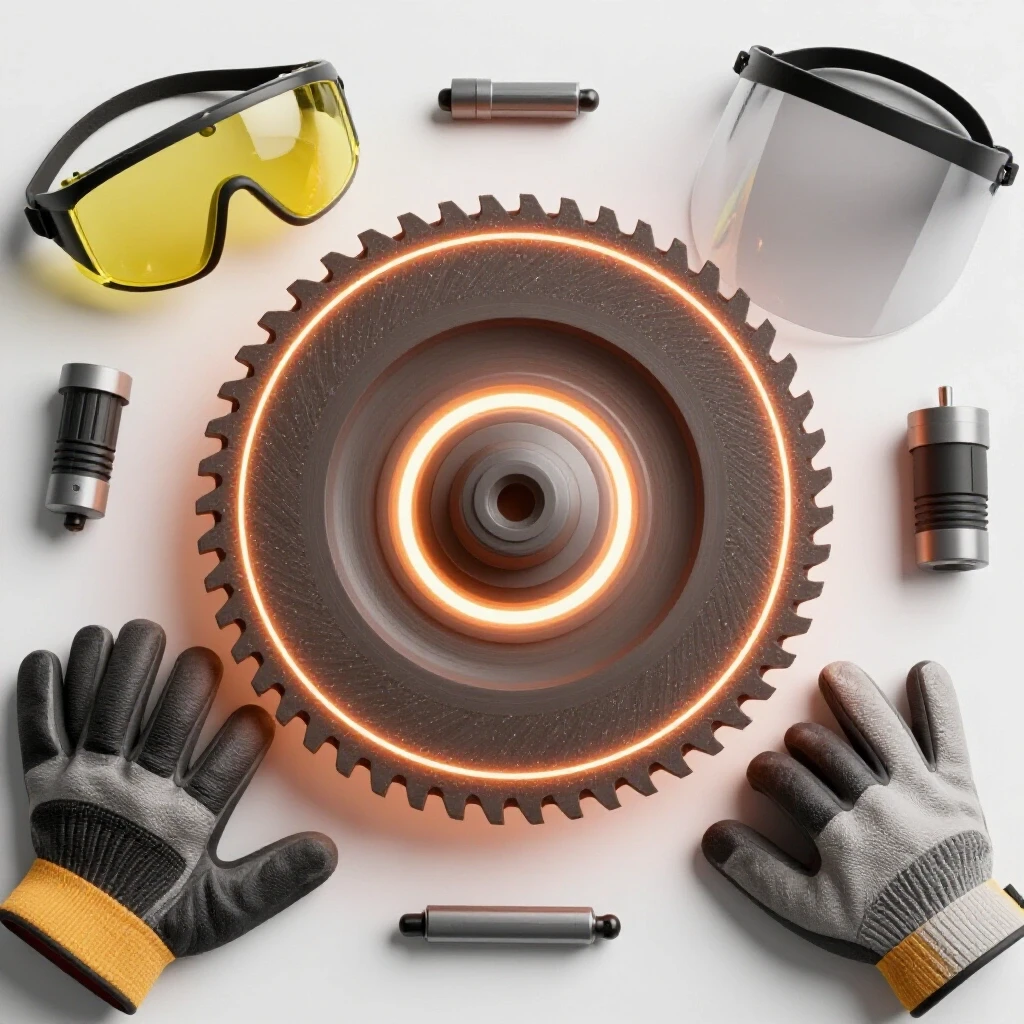
Systematic troubleshooting requires a clear head and sharp senses. Whether you are isolating the root cause of tool chatter solutions or performing a metalworking diagnostic guide on a cracked frame, the gear you wear is your first diagnostic tool. It allows you to get close to the work, observe the behavior of the material, and make adjustments based on real-time data rather than guesswork.
Visual Barriers for Precise Observation and Spark Deflection
Visual protection in a diagnostic context involves more than just blocking debris; it is about maintaining a clear line of sight to the workpiece. High-impact shields and lenses allow a technician to observe spark patterns, which can indicate material hardness or the presence of contaminants during a troubleshooting weld porosity session.
When you are investigating why a weld is failing, you often need to grind back the bead to see the internal structure. If you are using substandard eye protection, you will instinctively pull back, losing the ability to see the fine details of the metal’s grain or the tiny pinholes of porosity. I use a combination of wrap-around safety glasses and a full-face shield. This dual-layer approach is critical when you are dealing with high-speed mechanical troubleshooting steps where a fragmented disc or a loose metal chip can travel at hundreds of feet per second.
The glasses should meet high-impact standards, but more importantly for the diagnostic specialist, they must be anti-fog. There is nothing more frustrating than trying to measure a 0.002-inch backlash on a gear set while your vision is clouded by your own breath. I prefer clear lenses for indoor diagnostic work, as tinted lenses can mask the subtle heat tints on stainless steel that indicate overheating and potential metallurgical failure.
| Feature | Diagnostic Benefit | Technical Specification |
|---|---|---|
| High-Impact Polycarbonate | Prevents distraction from high-velocity sparks | ANSI Z87.1+ Equivalent |
| Anti-Fog Coating | Maintains visibility during close-up inspections | Hydrophilic or Nano-coating |
| Wrap-around Design | Protects peripheral vision during multi-axis observation | 180-degree coverage |
| Face Shield Integration | Allows for close-range analysis of tool chatter | 0.040-inch thickness minimum |
Respiratory Filtration for Long-Term Diagnostic Focus
Respiratory protection ensures that the technician can remain in the “hot zone” long enough to identify intermittent faults without physical distress. Filtering out metallic dust and ozone is essential when performing deep-dive metal fabrication fixes that require extensive material removal and inspection.
During a project involving a series of misaligned structural beams, we had to grind down several heavy tacks to realign the assembly. The dust was thick, and without a proper P100 respirator, the team was taking frequent breaks. This interrupted the “flow” of the diagnostic process. When you are trying to map out a complex mechanical troubleshooting step, every time you leave the workspace, you lose the mental thread of the problem.
I recommend a half-mask respirator with replaceable filters rather than simple disposable masks. The seal is better, which prevents your glasses from fogging—a common issue that ruins many diagnostic sessions. For grinding on galvanized steel or stainless where hexavalent chromium might be a factor, a P100 filter is the baseline. This allows you to focus entirely on the surface finish and the way the metal reacts to the tool, rather than the irritation in your lungs.
- Half-mask silicone facepiece for a superior seal and comfort.
- P100 particulate filters to block 99.97% of airborne metal dust.
- Exhalation valve positioned to direct moist air away from eye protection.
- Adjustable head straps to ensure the mask doesn’t shift during movement.
Auditory Protection and Isotropic Frequency Isolation
Hearing protection is a diagnostic necessity that allows a technician to isolate specific mechanical frequencies, such as tool chatter or bearing whine. By dampening the high-decibel roar of grinding, ear protection helps the specialist focus on the subtle “ping” or “rattle” that signals a structural alignment fault.
In my experience, the best way to solve tool chatter solutions is to listen to the frequency of the vibration. However, the raw noise of a 5-inch angle grinder can reach 105 decibels, which quickly causes “ear fatigue.” Once your ears are tired, you lose the ability to distinguish between a normal mechanical hum and a resonant harmonic that indicates a loose spindle or a failing motor mount.
I use high-fidelity earplugs or electronic earmuffs. Electronic muffs are particularly useful for mechanical troubleshooting because they compress loud noises while amplifying lower-level sounds. This means I can hear the grinder’s impact on the metal clearly while the dangerous decibel levels are clipped. This level of auditory clarity is vital when you are trying to determine if a vibration is coming from the tool itself or the workpiece mounting system.
- Electronic Earmuffs: These allow for communication and the hearing of low-frequency machine noises.
- Disposable Foam Plugs: Useful as a secondary layer in extremely high-noise environments (dual-protection).
- Noise Reduction Rating (NRR): Look for a minimum of 25dB to 30dB for grinding operations.
- Communication Integration: Some headsets allow for radio links to talk to an operator while the machine is running.
Hand and Skin Protection for Tactile Feedback
Hand protection must balance the need for abrasion resistance with the requirement for tactile feedback during inspection. A diagnostic specialist needs to feel for burrs, heat, and vibration while remaining shielded from the high temperatures generated during metalworking diagnostic guide procedures.
When I am troubleshooting weld porosity, I often need to feel the surface of the metal immediately after grinding to check for hidden ridges or temperature spikes. Thick, bulky welding gloves are useless here; they lack the sensitivity needed to detect a 0.005-inch deviation in surface height. Instead, I opt for high-dexterity, cut-resistant gloves with a reinforced palm.
These gloves should be made of materials like Kevlar or high-performance polyethylene (HPPE) with a thin nitrile or leather coating. This provides enough protection from the “bite” of a grinding wheel while allowing me to handle precision tools like dial indicators or micrometers without taking the gloves off. Constant removal of gear is a major source of distraction and can lead to errors in data collection.
- Cut Level: Aim for ANSI Level A4 or higher for metal handling.
- Heat Resistance: Look for gloves rated for contact heat if you are inspecting fresh welds.
- Fit: A snug fit is mandatory to prevent the glove from getting caught in rotating machinery.
- Grip: Textured palms help in maintaining a firm hold on vibrating diagnostic tools.
Protective Apparel for Body Alignment and Safety
Body protection prevents minor injuries from becoming major distractions during complex mechanical troubleshooting steps. Heavy-duty aprons or flame-resistant (FR) clothing create a barrier between the technician and the environmental hazards of a busy fabrication shop.
I once worked on a motor controller fault where I had to spend hours leaning over a machine to probe circuits while another technician ground down nearby supports. Small hot sparks hitting my arms were enough to make me flinch, potentially causing a short circuit with my multimeter probes. Since then, I never perform diagnostics without a leather apron or FR sleeves.
The goal is to create a “neutral zone” for your body. If you are comfortable and protected, your brain can dedicate 100% of its processing power to the lathe alignment checklist or the vibrational analysis at hand. This is especially true when working in awkward positions, such as under a large mill or inside a confined structural frame.
| Clothing Item | Primary Function | Diagnostic Application |
|---|---|---|
| Leather Apron | Protects torso from sparks and sharp edges | Allows leaning against workpieces for stability |
| FR Sleeves | Shields arms from radiant heat and sparks | Prevents flinching during precision probing |
| Steel-Toe Boots | Protects feet from dropped components | Provides a stable base for manual machine adjustments |
| Natural Fibers | Prevents melting onto skin in high-heat zones | Essential for safety around welding and grinding |
Systematic PPE Calibration for Diagnostic Success
Before you begin any mechanical troubleshooting steps, you must “calibrate” your gear just as you would a dial indicator. This ensures that your protective equipment does not become a variable that skews your data or leads to a misdiagnosis of a tool chatter solution.
- Clean all lenses with an anti-static solution to ensure 100% visual clarity.
- Check respirator valves for debris; a sticking valve causes CO2 buildup and fatigue.
- Inspect gloves for holes or thinning; a surprise spark can ruin a delicate measurement.
- Test electronic hearing protection batteries to ensure consistent noise compression.
- Ensure all loose clothing is tucked in to prevent entanglement with spindles or shafts.
Case Study: The “Ghost Vibration” in a CNC Spindle
I was called in to address a persistent tool chatter issue on a 3-axis mill. The operator had tried changing speeds and feeds, but the finish remained poor. I put on my full diagnostic gear—face shield, P100 respirator, and electronic muffs—and began a systematic observation of the spindle at 5,000 RPM.
Because I was wearing electronic muffs, I could hear a faint, rhythmic “thump” that was being drowned out by the cooling fans. This sound was consistent with a bearing race failure. Because I had my face shield on, I was able to get my head within 12 inches of the spindle to watch the oil mist pattern. I noticed the mist was pulsing, not steady.
Without the proper protective gear, I would have stayed three feet back, missed the sound, and never seen the pulse in the oil. The “ghost vibration” wasn’t a speed/feed issue; it was a failing upper bearing. We replaced the bearing, checked the lathe alignment checklist for the spindle head, and the chatter disappeared. The gear didn’t fix the machine, but it allowed me to see and hear the problem.
Common Pitfalls in Gear Selection for Fabricators
One of the biggest mistakes intermediate metalworkers make is choosing gear that is too heavy for the task. Over-protecting can be just as detrimental to diagnostics as under-protecting. If you wear a heavy welding leathers to do a light lathe alignment, you will overheat, become irritable, and likely rush the measurements.
Another error is ignoring the “interface” between gear. For example, wearing safety glasses that don’t fit under your face shield. This causes the shield to sit at an angle, distorting your view of the workpiece. When you are trying to resolve metal fabrication fixes, any distortion in your vision can lead to a 0.010-inch error that ruins a part.
- Avoid tinted shields unless working outdoors in bright sun; they hide cracks.
- Don’t use “one size fits all” earplugs if you have small ear canals; they will pop out.
- Never wear gloves when checking for spindle runout by hand; use a clean rag or bare skin if the machine is locked out.
- Steer clear of synthetic fabrics like polyester that can melt and cause severe burns.
Actionable PPE Maintenance Framework
To maintain a high level of diagnostic readiness, follow this numbered list for your gear maintenance. A specialist is only as sharp as his tools, and in the shop, your gear is an extension of your body.
- Weekly Lens Polishing: Use specialized plastic polish to remove fine scratches from face shields.
- Respirator Sanitization: Wipe down the interior of your mask daily to prevent skin irritation.
- Filter Replacement Schedule: Change P100 filters every 40 hours of use or when breathing resistance increases.
- Glove Rotation: Keep two pairs of high-dexterity gloves; rotate them to allow sweat to dry, extending the life of the material.
- Boot Inspection: Check soles for metal chips that can scratch finished surfaces during a lathe alignment checklist.
Summary of Diagnostic Gear Metrics
| Metric | Target Value | Why it matters for diagnostics |
|---|---|---|
| Lens Clarity | >98% Light Transmission | Seeing fine stress cracks in metal |
| Noise Reduction | 25-30 dB NRR | Isolating bearing and gear mesh sounds |
| Filter Rating | P100 (99.97% Efficiency) | Preventing fatigue during long inspections |
| Glove Dexterity | Level 4 or 5 (ISO) | Handling small adjustment screws and probes |
| Visual Field | 180 Degrees | Monitoring multiple machine axes simultaneously |
By treating your protective equipment as a precision instrument, you elevate your ability to perform complex metalworking diagnostic guides. Whether you are chasing a 0.003-inch alignment error or trying to find the source of a resonant vibration, the right gear gives you the confidence and the clarity to find the root cause and execute a permanent repair.
Frequently Asked Questions
How does wearing a face shield help with troubleshooting weld porosity?
A face shield allows you to get much closer to the grinding process when you are “excavating” a weld to find the source of porosity. It protects you from the stream of sparks while providing a wide, undistorted view of the metal’s surface. This proximity is key to seeing if the porosity is localized or if it extends deep into the base metal, which helps you diagnose if the issue is gas coverage or base metal contamination.
Can ear protection actually help me hear machine faults better?
Yes, especially electronic hearing protection. These devices “clip” the loud, distracting noise of a grinder but can amplify the subtle, lower-decibel sounds of the machine’s internal components. This allows a technician to hear the specific frequency of tool chatter or the rhythmic clicking of a chipped gear tooth that would otherwise be drowned out by the grinding wheel.
Why is a P100 respirator better than a standard N95 for metal fabrication fixes?
P100 filters are rated to block 99.97% of particles, including oil-based aerosols which are common in shops with cutting fluids. N95 masks are not oil-resistant. For a diagnostic specialist, the P100 provides a higher level of protection against fine metallic dusts (like stainless steel or galvanized coatings) that can cause immediate respiratory irritation and distract you from the troubleshooting process.
What is the best way to prevent my safety glasses from fogging during a lathe alignment checklist?
The most effective method is using a combination of anti-fog coated lenses and a respirator with a downward-facing exhalation valve. Fogging usually occurs when warm breath escapes the top of a poorly fitted mask. Ensuring a tight seal on your respirator and using high-quality anti-fog wipes will keep your vision clear for precision measurements.
Should I wear gloves while checking for mechanical backlash?
When checking for backlash by hand (with the machine powered down and locked out), it is often better to use high-dexterity, thin-coated gloves or even bare hands to feel the “click” of the gears. However, if you are grinding or cleaning the parts first, you must wear cut-resistant gloves. The key is to use a glove that offers a “second-skin” fit so you don’t lose tactile sensitivity.
How do I know if my earplugs are providing enough protection for vibrational analysis?
If you experience a “ringing” in your ears or if sounds seem muffled after you finish grinding, your protection is inadequate. For vibrational analysis, you need an NRR of at least 25dB. If the shop is exceptionally loud, use the “dual-protection” method: earplugs underneath electronic earmuffs. This provides the highest level of decibel reduction while still allowing you to hear specific mechanical frequencies.
Does the color of the lens matter when inspecting metal for heat damage?
Absolutely. You should always use clear lenses when inspecting for heat tint or “blueing” on steel. Tinted or yellow lenses can shift the color spectrum, making it difficult to accurately judge the temperature the metal reached. Accurate color perception is vital for diagnosing metallurgical changes that could lead to structural failure.
How often should I replace my face shield lens?
You should replace it as soon as you notice “pitting” or deep scratches. Even minor surface damage can cause light to refract, creating glares that hide fine details. For diagnostic work, a $10 replacement lens is a cheap price to pay for the ability to see a 0.002-inch crack or a subtle misalignment in a tool holder.
Can I use my welding helmet for grinding diagnostics?
Most modern welding helmets have a “grind mode” that keeps the lens clear. This can be very effective as it provides full-face protection. However, welding helmets are often heavier than standard face shields, which can lead to neck fatigue during long diagnostic sessions. If you are doing a quick check, it’s fine; for an hour-long lathe alignment, a dedicated face shield is usually better.
What is the most common PPE mistake during mechanical troubleshooting?
The most common mistake is “PPE fatigue,” where a technician removes their gear because it is uncomfortable or poorly fitted. This usually happens right when the most critical observation needs to be made. Investing in high-quality, adjustable gear that fits your specific body shape ensures that you keep it on for the duration of the troubleshooting process, keeping you safe and focused.
(This article was written by one of our staff writers, Paul Whitaker. Visit our Meet the Team page to learn more about the author and their expertise.)