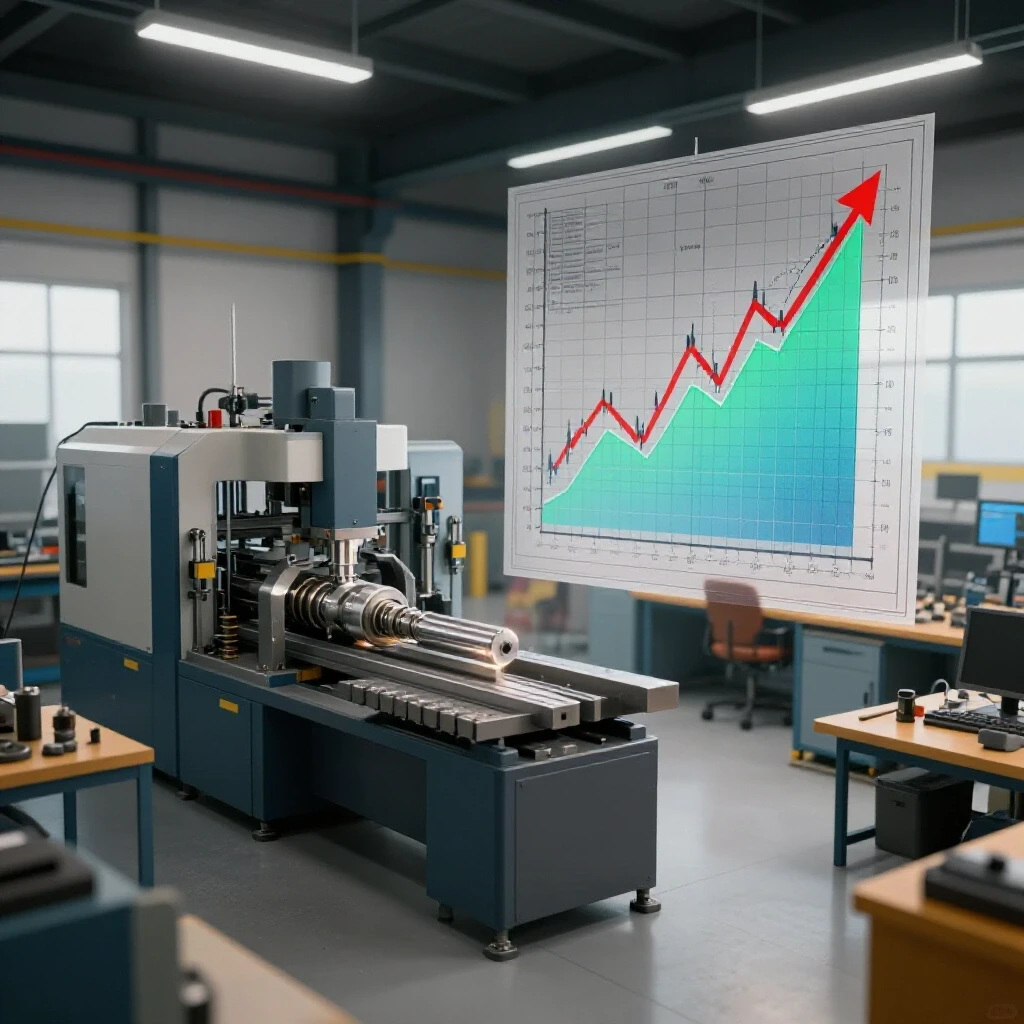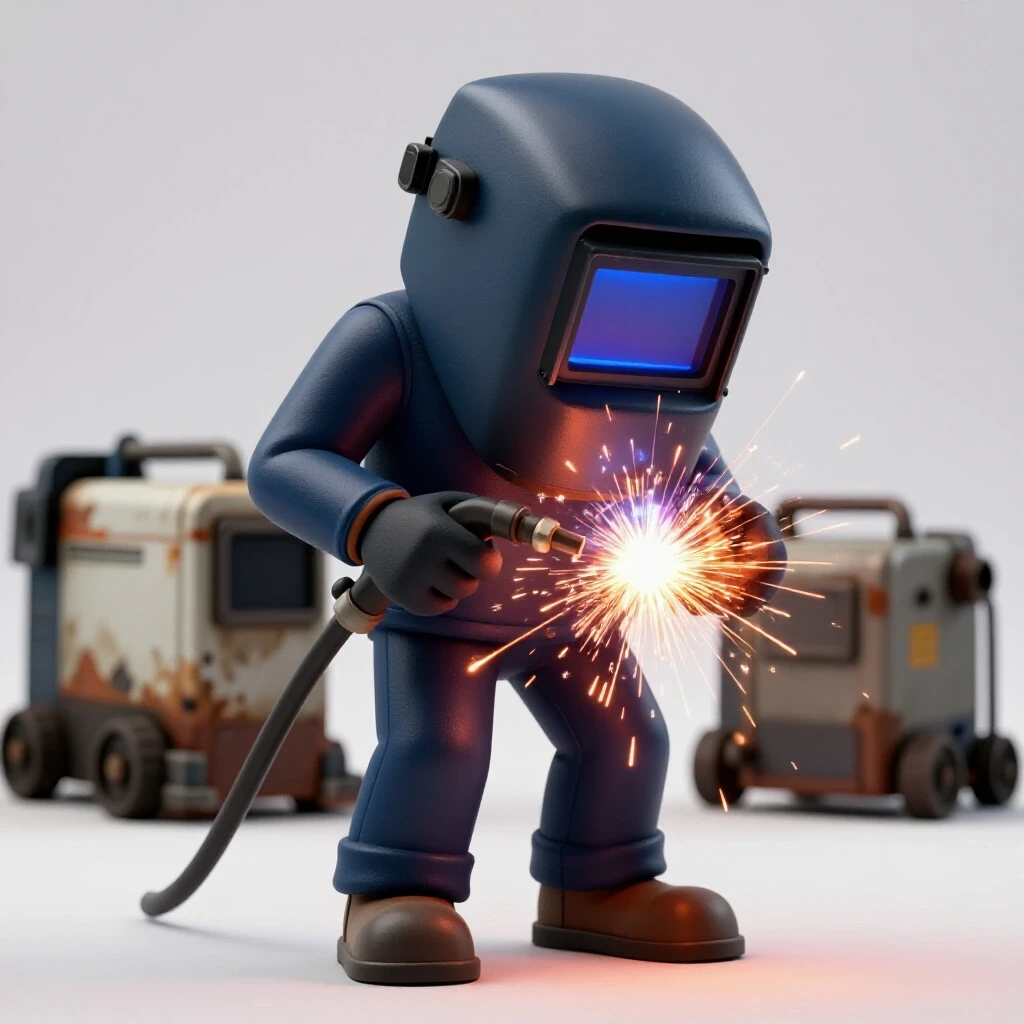
How to Reduce Long-Term Welder Maintenance Expenses (Tips)
When I first started taking on paid fabrication work in my garage, I made a classic mistake. I looked at the price of the steel, added a bit for my time, and called it a day. I felt like I was making money until my MIG welder started acting up eighteen months later. I realized then that I hadn’t set aside a single cent for the wear and tear on my most important tool.
Protecting your equipment is not just about keeping things clean; it is a core financial strategy. If your machine dies prematurely, your profit for the last six months might vanish in a single afternoon. To run a successful side-hustle, you must treat your welder like a capital asset that requires a dedicated budget for its upkeep and eventual replacement.
Establishing a Profitable Shop Rate for Small Fabricators
A shop rate is the total dollar amount you must charge per hour to cover all expenses and generate a profit. It includes your labor, rent, utilities, and a portion of your equipment’s eventual replacement cost. Without a calculated rate, you are merely guessing at your income.
Most side-hustlers undervalue their time and ignore their overhead. In my consulting work, I find that a realistic shop rate for a part-time fabricator usually falls between $65 and $120 per hour. This range covers the “hidden” costs like insurance, electricity, and the slow degradation of your machinery. If you charge less than this, you are likely subsidizing your customers’ projects out of your own pocket.
To find your rate, you need to sum up your monthly fixed costs. Building on this, you must add a “burden factor” for your tools. This is a small fee added to every hour of work to pay for the future repair or replacement of your gear. If you plan to replace a $2,500 welder after five years of part-time use, you need to “earn” about $40 every month just to stay even.
| Expense Category | Monthly Cost (Example) | Hourly Allocation (20 hrs/week) |
|---|---|---|
| Shop Rent/Mortgage | $500 | $6.25 |
| Utilities & Power | $80 | $1.00 |
| Insurance | $60 | $0.75 |
| Equipment Amortization | $100 | $1.25 |
| Total Fixed Overhead | $740 | $9.25 |
Managing Equipment Wear as an Operational Cost
This involves tracking how much each hour of welding costs in terms of machine degradation. By treating maintenance as a predictable expense rather than a surprise repair, you can price jobs more accurately and keep your gear running longer.
Interestingly, the way you use your machine directly impacts its lifespan. Running a welder at its maximum duty cycle for every job creates heat stress that shortens the life of internal boards. I recommend “right-sizing” your projects. If you are constantly welding half-inch plate with a machine designed for sheet metal, you are paying for that choice in future repair bills.
I track my machine hours using a simple logbook. For every twenty hours of “arc-on” time, I perform a basic external inspection. This includes checking the power cord for nicks and ensuring the cooling vents are clear. These small habits prevent the cooling fans from working overtime, which is a leading cause of early component failure in small shop environments.
- Keep the machine covered when not in use to prevent grinding dust from entering the vents.
- Avoid using long, thin extension cords that cause voltage drops.
- Blow out the internal cabinets with low-pressure compressed air every few months.
- Check all cable connections for tightness to prevent heat-generating resistance.
Maximizing the Life of Welding Consumables
Consumables like contact tips, nozzles, and liners are the “tires” of your welder. Managing their replacement cycle prevents arc instability and reduces the physical stress placed on the internal components of your power source.
Many hobbyists wait until a contact tip is completely fused before changing it. This is a mistake that costs more in the long run. A worn tip causes erratic wire feeding, which forces the drive motor to work harder. Over time, this strain can lead to a costly motor failure. I suggest changing tips based on the amount of wire run through them, rather than waiting for a failure.
Tracking your consumable usage is essential for accurate fabrication job costing. I typically add a 10% to 15% “consumable burden” to the material cost of every quote. This covers the shielding gas, wire, and the wear on the torch components. It ensures that when you need a new roll of wire or a fresh bottle of argon, the customer has already paid for it.
- Contact Tips: Replace every 2-3 rolls of wire or if the orifice becomes oblong.
- Nozzles: Use anti-spatter spray to prevent buildup that restricts gas flow.
- Liners: Blow out the liner with compressed air every time you change a wire spool.
- Drive Rolls: Check for tension; over-tightening wears out the motor bearings.
Environmental Factors and Long-Term Machine Health
The workshop environment significantly impacts how long your electronics last. Dust, moisture, and poor power quality are the primary enemies of inverter-based welders and require proactive management to avoid premature failure.
I once consulted for a shop that was losing an inverter board every year. We discovered they were doing all their heavy grinding right next to the welder’s intake fan. The metallic dust was being sucked into the machine, causing micro-shorts on the circuit boards. Simply moving the grinding station and adding a breathable cover saved them thousands in replacement costs.
Humidity is another silent killer. If your shop isn’t climate-controlled, moisture can build up inside the machine during temperature swings. I use silica gel packets inside my welder’s wire compartment to keep things dry. It is a five-dollar solution to a five-hundred-dollar problem.
- Grinding Dust: Keep the welder at least six feet away from grinding sparks.
- Storage: Store the machine on a cart off the concrete floor to avoid moisture wicking.
- Power Quality: Use a dedicated circuit for your welder to prevent surges from other tools.
- Cable Care: Never wrap cables tightly; large, loose loops prevent internal wire breakage.
Building a Maintenance-Minded Job Quote
A job quote should account for more than just metal and time. It must include a “burden factor” that covers the gradual wear on your machines, ensuring you have the cash on hand for future service needs.
When I write a quote, I use a three-part formula: (Materials x Markup) + (Labor Hours x Shop Rate) + Consumable Fee. The material markup is usually 20% to cover the time I spent sourcing and transporting the metal. The shop rate includes my profit and overhead. The consumable fee is a flat rate based on the complexity of the welding involved.
As a result of this structure, I am never surprised by a repair bill. The money is already sitting in a dedicated “shop equipment” account. If a job requires heavy gouging or high-amperage welding, I increase the consumable fee to reflect the extra stress on the equipment. This transparency helps you explain your pricing to clients who might be used to “hobbyist” rates.
| Quote Component | Calculation Method | Purpose |
|---|---|---|
| Raw Materials | Cost + 20% Markup | Covers sourcing and waste |
| Labor | $85/hr (Example) | Covers your time and expertise |
| Shop Overhead | Included in Labor | Covers rent, power, and taxes |
| Equipment Fund | $5 – $10 per job | Covers long-term machine upkeep |
Analyzing ROI on Equipment Upgrades
Return on Investment (ROI) is a measure of how quickly a new tool pays for itself through increased speed or reduced operating costs. For a small shop, an upgrade is only worth it if the time saved or the quality improved allows you to charge more or work faster.
Before buying a new, more expensive machine, I look at the payback period. If a $3,000 welder saves me two hours of cleanup time per week, and my shop rate is $80, that machine pays for itself in about 19 weeks. If the payback period is longer than two years, I usually stick with my current gear and focus on better maintenance.
Building on this, consider the “cost of ownership” over the life of the tool. A cheaper machine might have a lower entry price, but if the consumables are hard to find or the internal components are not serviceable, it will cost more over five years. I prefer machines with a proven track record of durability, even if the initial investment is 20% higher.
Smart Sourcing and Bulk Supply Strategies
Sourcing materials and supplies efficiently is one of the easiest ways to improve your margins. By purchasing in bulk and building relationships with local suppliers, you can reduce the “per-inch” cost of your welds.
I buy my contact tips and nozzles in packs of 25 rather than 2. This reduces the unit price by nearly 40%. More importantly, it ensures I always have a fresh tip on hand. Using a worn tip because you don’t want to drive to the store is a fast way to ruin a weld and put unnecessary heat into your torch.
For shielding gas, I always own my tanks rather than renting them. While the upfront cost of a 125-cubic-foot tank is higher, you avoid the monthly “lease” fees that eat into a side-hustle’s profits. Over three years, owning your tank can save you $300 to $500, which is enough to cover a major machine service or a significant upgrade.
- Join a local “makers” group: Sometimes you can split bulk orders with other small shops.
- Check scrap yards: Often, you can find practice material or non-critical project steel for cents on the dollar.
- Standardize your gear: Try to use the same wire diameter and gas type across as many jobs as possible to simplify your inventory.
Digital Tools for Tracking and Estimating
In the modern shop, a spreadsheet is as important as a square. Using digital tools to track your expenses and quotes ensures that your data is accurate and your business is scalable.
I use a simple mobile invoicing app to track my time on every project. It allows me to see exactly how long a “quick” repair actually took. Often, I find that a job I thought took two hours actually took four when you count the setup and cleanup. This “job cost variance” is the difference between a profitable shop and one that is slowly going broke.
- QuickBooks or FreshBooks: Great for professional invoicing and tax tracking.
- Google Sheets: Perfect for building custom ROI calculators and material trackers.
- Wave Accounting: A free option for very small side-hustles to manage basic bookkeeping.
- Evernote or Notion: Useful for keeping photos of your maintenance logs and receipts.
Final Steps for Workshop Financial Health
Improving the longevity of your equipment starts with a change in mindset. You are no longer just a person with a welder; you are a business owner managing a production asset. This shift requires discipline in how you treat your tools and how you value your time.
Start by calculating your true shop rate this weekend. Look at your last three jobs and see if you actually made the profit you thought you did after accounting for gas, wire, and machine wear. If the numbers are thin, it is time to raise your rates and implement a more rigorous maintenance schedule.
Remember, the goal is to build a sustainable business. By protecting your machinery from unnecessary wear and pricing your work to reflect the true cost of fabrication, you ensure that your shop will be around for years to come.
Frequently Asked Questions
How do I know if my shop rate is too high for my local area? If you are winning every single bid, your rate is likely too low. If you are losing more than 70% of your bids, you may be too high or targeting the wrong customers. A healthy “win rate” for a side-hustle is usually around 40% to 50%.
Does keeping my welder plugged in all the time hurt it? In many areas, power surges are common. It is best to unplug your machine when it is not in use, or use a high-quality surge protector designed for industrial equipment. This prevents “ghost” damage to sensitive electronics during storms.
How much should I mark up my materials? A standard markup is 20%. This isn’t just “extra profit”; it covers the time you spent at the steel yard, the fuel for your truck, and the waste (drops) left over from the project.
What is the most common “hidden cost” in a welding side-hustle? Consumables and abrasives. Flap discs, grinding wheels, and shielding gas disappear much faster than most people realize. If you aren’t charging a specific fee for these, they will eat 10% of your profit.
How often should I blow out my welder with air? If you grind in the same room, do it once a month. If you have a separate grinding area, every three to six months is usually enough. Use low pressure (under 30 PSI) to avoid dislodging delicate components.
Should I buy a cheap “no-name” welder to start my business? It depends on your ROI goals. A cheap machine may have a fast payback period, but if parts aren’t available when it breaks, your business stops. I recommend a mid-range machine with a good local support network.
How do I factor in the cost of my shop space if I work from my home garage? Calculate the square footage of your shop area as a percentage of your home. Apply that same percentage to your mortgage/rent and utilities. This gives you a “fair market” cost for your shop space.
Is it better to repair or replace an old welder? The general rule is the “50% rule.” If the repair cost is more than 50% of the price of a new, comparable machine, it is usually better to replace it and enjoy the new warranty.
What is a “burden factor” in simple terms? It is the “hidden” cost of doing business. It includes things like shop rags, floor soap, electricity, and the slow wearing out of your tools. It is the money you spend just by having the lights on.
How do I track my “arc-on” time without a meter? Keep a simple tally mark sheet on your welding cart. One mark for every 15 minutes of active work. It doesn’t have to be perfect, but it gives you a much better idea of your machine’s true usage than guessing.
(This article was written by one of our staff writers, Michael Hargrove. Visit our Meet the Team page to learn more about the author and their expertise.)