How to Prevent Costly Machine Breakdown Delays in Shop (Fix)
I started my first fabrication business in a rented garage with a used bridge mill and a steady stream of optimism. Like many of you, I moved from hobby work to taking paid jobs because I loved the craft. However, I quickly learned that the distance between a successful project and a financial disaster is often measured by the health of your machinery. One Tuesday morning, a spindle bearing on my primary mill seized halfway through a high-priority bracket order. I didn’t just lose the part; I lost three days of production, the trust of a new client, and nearly two months of profit on a single repair bill.
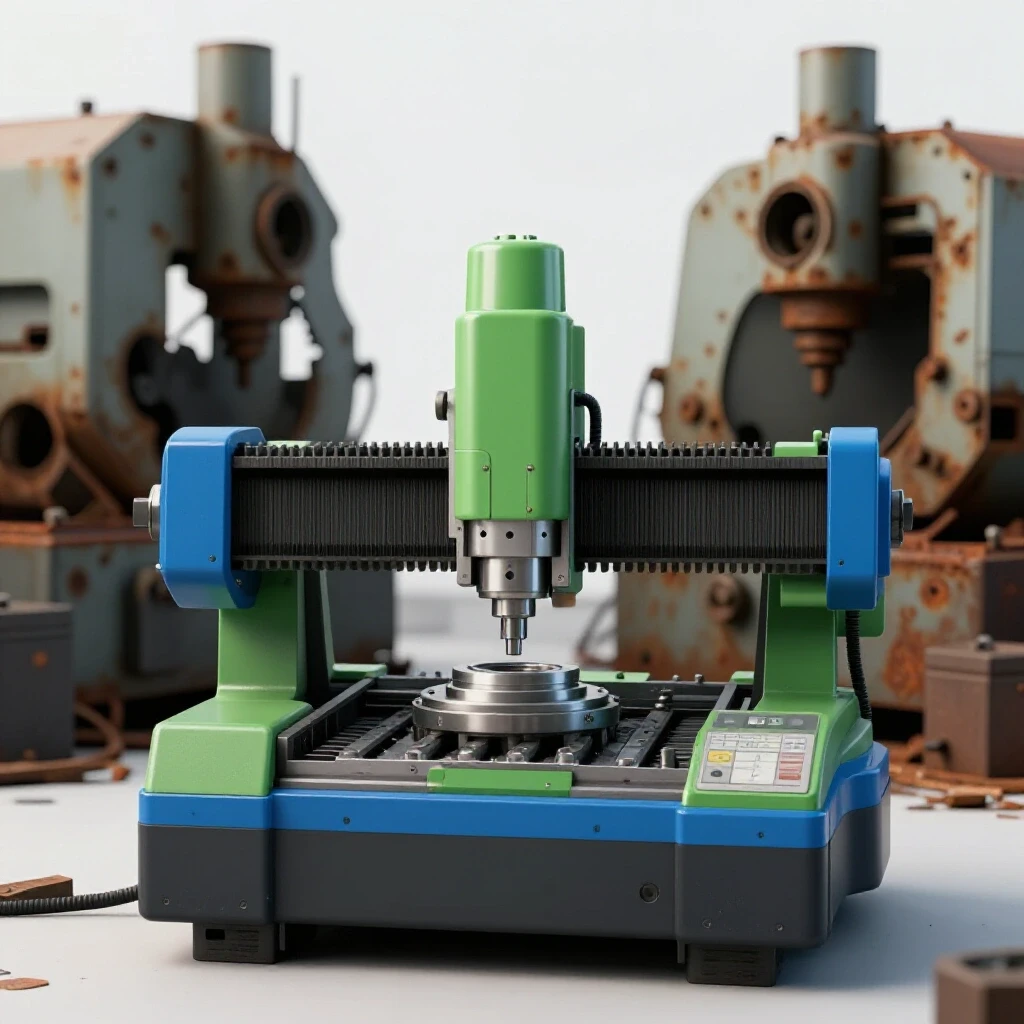
That moment changed how I viewed my shop. I realized that keeping the lights on wasn’t just about welding beads or turning handles. It was about understanding the economics of my equipment. Most side-hustlers fail because they price their work based on what feels right, rather than what the machines actually cost to run. If you aren’t accounting for the wear and tear on your lathe or the eventual replacement of your bandsaw, you aren’t running a business; you are subsidizing your customers’ projects with your own savings.
Establishing a Baseline: The Real Cost of an Hour in the Shop
A true shop hourly rate is the total amount of money required to keep your facility operational, divided by the number of billable hours you work. This metric must include rent, utilities, insurance, and a dedicated fund for equipment upkeep to ensure long-term stability.
In my consulting work, I see many small shop owners charging $30 or $40 an hour. They think they are making money because they have cash in their pocket at the end of the day. But when you factor in the “hidden” costs, that rate often means they are working for free. For a side-hustle metalworking operation, a realistic shop rate usually falls between $65 and $120 per hour.
To find your number, you must track every penny. Start with your fixed overhead: rent (or a portion of your mortgage), electricity, and shop insurance. Then, add your variable costs: welding gas, grinding wheels, and drill bits. Finally, add your “machine tax.” This is a set amount of money tucked away for every hour a machine runs. If you don’t collect this from the customer now, you won’t have it when a motor burns out later.
| Expense Category | Annual Estimated Cost | Hourly Impact (500 Billable Hrs/Year) |
|---|---|---|
| Shop Rent/Utilities | $4,800 | $9.60 |
| Insurance & Licensing | $1,200 | $2.40 |
| Consumables (Gas, Abrasives) | $2,500 | $5.00 |
| Equipment Maintenance Fund | $3,000 | $6.00 |
| Desired Labor Wage | $25,000 | $50.00 |
| Total Required Shop Rate | $36,500 | $73.00/hr |
Why Hidden Consumables Bleed Small Shop Profits
Consumables are the small items used up during fabrication, such as welding wire, shielding gas, and sanding discs. While they seem inexpensive individually, their cumulative cost can represent 10% to 15% of a total job’s value if not tracked accurately.
I once worked with a fabricator who was losing $200 a month simply because he didn’t track his TIG welding argon. He quoted jobs based on metal and time but forgot that the gas flowing through his torch cost money every second. To fix this, I recommend a “consumable burden factor.” Take your total consumable spending over six months and divide it by your total material costs. If you spent $500 on consumables and $2,000 on metal, your burden factor is 25%. Add this percentage to every material quote you send out.
Mapping Machinery Amortization and the ROI of Preventive Care
Amortization is the process of spreading the cost of a large equipment purchase over its expected useful life. By calculating this, you can determine how much each job needs to contribute toward the eventual replacement of that machine.
When you buy a $5,000 cold saw, it isn’t a one-time hit to your bank account. If you expect that saw to last 10 years and run for 200 hours a year, it costs you $2.50 for every hour it cuts. This is your amortization rate. If you ignore this, you’ll find yourself ten years down the road with a dead saw and zero dollars in the bank to buy a new one.
Preventing equipment failures is the most effective way to protect this investment. A machine that is well-maintained stays on its amortization schedule. A machine that is neglected leads to “early retirement,” which forces you to spend capital you haven’t yet earned back. In my experience, five minutes of daily inspection can save five days of downtime.
Practical Shop-Floor Routines to Avoid Downtime
Daily maintenance routines are simple, repeatable tasks designed to identify mechanical issues before they cause a total system failure. These include checking fluid levels, clearing chips from ways, and listening for unusual vibrations during start-up.
I follow a “First Five” rule. The first five minutes of every shop session are dedicated to the machines, not the projects. I don’t use fancy software or sensors. I use my eyes, my ears, and a clean rag. Here is what I look for:
- Visual Inspections: Look for oil leaks under the headstock or puddles near hydraulic lines. Check belts for fraying or glazing.
- Lubrication: Manual grease points and oilers are the lifeblood of old iron. If a way feels dry to the touch, it is already wearing down.
- Alignment Checks: Use a simple dial indicator to check the runout on your lathe chuck or the squareness of your mill vise. Small shifts in alignment often signal a bearing starting to fail.
- Electrical Connections: Look for scorched plugs or frayed wires. Heat is a sign of resistance, and resistance leads to blown motors.
Building a Maintenance-First Fabrication Job Costing Model
Fabrication job costing is the systematic method of totaling labor, materials, overhead, and equipment wear to create a profitable price for a specific project. A maintenance-first model ensures that the cost of keeping tools sharp and machines running is built into every bid.
When I quote a job, I don’t just look at the blueprint. I look at which machines will be doing the heavy lifting. A job that requires four hours of heavy milling on hardened steel puts more stress on my equipment than a job involving light aluminum. I adjust my “machine tax” accordingly.
To build a quote that protects your shop, follow this structure: 1. Raw Material Cost: Actual cost of metal plus a 15-30% markup for handling and sourcing. 2. Consumable Burden: Apply your 25% (or calculated) markup to the material cost. 3. Labor Hours: Be realistic. If you think it takes two hours, quote three. 4. Machine Use Fee: Add a flat hourly fee ($5–$15) for high-wear equipment like CNCs or heavy grinders.
Tracking Consumables to Predict Tool Life and Prevent Failure
Monitoring the lifespan of items like bandsaw blades and end mills allows a shop owner to predict when a tool will fail and replace it before it damages a workpiece. This data-driven approach turns “surprise” breakages into “planned” maintenance.
I keep a simple logbook next to my bandsaw. Every time I change a blade, I mark the date. Over a year, I noticed my blades were dulling 20% faster when I cut stainless steel versus mild steel. This allowed me to start charging a “tooling surcharge” for stainless jobs. It also meant I always had a spare blade on the shelf before the current one snapped.
- Keep a Log: Track how many hours a specific bit or blade lasts.
- Identify Patterns: Does a certain material eat through your tooling?
- Set Reorder Points: When you are down to your last two end mills, order more immediately.
- Inspect Bit Sharpness: A dull bit requires more force, which puts unnecessary strain on your machine’s motor and bearings.
Why Equipment Neglect is a Hidden Overhead Expense
Hidden overhead refers to the indirect costs of running a business that aren’t immediately obvious, such as the electricity lost to an inefficient compressor or the time spent fixing a tool that should have been serviced months ago.
In my 16 years, I’ve seen that the most expensive tool in the shop is the one that’s currently broken. When a machine goes down, your shop rate effectively drops to zero, but your overhead costs (rent, insurance) keep ticking. If your mill is down for two days, you aren’t just losing the repair cost; you’re losing the $800 in revenue you could have generated during those 16 hours.
| Maintenance Strategy | Cost Level | Impact on Side-Hustle |
|---|---|---|
| Reactive (Fix when broken) | High | Leads to missed deadlines and emergency repair bills. |
| Preventive (Scheduled checks) | Low | Small time investment that extends machine life by years. |
| Predictive (Tracking tool life) | Medium | Requires data logging but eliminates 90% of mid-job failures. |
Sourcing Strategies for Replacement Parts and Materials
Effective sourcing involves finding reliable suppliers for both raw materials and machine components to minimize wait times and reduce costs. For a small shop, this often means balancing local availability with the lower prices of bulk online orders.
One of the biggest delays in a shop isn’t the repair itself; it’s waiting for the part. I keep a “critical spares” kit for every major machine. This includes common belts, fuses, and specific lubricants. For materials, I try to buy in bulk. If I know I’ll use 500 feet of square tubing this year, I buy it all at once. This saves on delivery fees and protects me from price spikes that can ruin a pre-quoted job.
- Local Scrap Yards: Great for one-off hobby jobs, but unreliable for consistent side-hustle work.
- Regional Steel Distributors: Better pricing, but they often have high minimum order requirements.
- Online Industrial Suppliers: Perfect for specific fasteners or replacement bearings you can’t find locally.
- Peer Networks: Join local machining groups. Often, a neighbor has the exact V-belt you need to get through a weekend rush.
Post-Job Analysis: Did a Machine Issue Eat Your Profit?
A post-job analysis is a review of a completed project to compare the estimated costs against the actual expenses. This process identifies where time was lost or where equipment issues reduced the final profit margin.
After every major project, I sit down with my notes. I look at how long I thought the machining would take versus how long it actually took. If I spent two hours fighting a loose gib on my lathe, that’s a red flag. That “repair on the fly” just cost me my profit. I either need to fix the lathe properly or increase my shop rate to account for the aging equipment.
Analyzing Post-Job Profits: A Checklist
- Did I use more consumables than expected? (e.g., Did I break three drill bits instead of one?)
- Was there unexpected downtime? (e.g., Did the compressor overheat?)
- Did the machine hold tolerance? (e.g., Did I have to scrap a part because of bed wear?)
- Was the material markup sufficient? (e.g., Did shipping costs eat the 20% margin?)
Digital Tools for Modern Shop Management
Managing a side-hustle requires organization that a simple notebook sometimes can’t provide. Fortunately, there are several low-cost or free digital tools that can help you track your shop math and maintenance schedules.
- Google Sheets / Excel: I still use a custom spreadsheet for my metal business ROI calculators. It tracks my machine hours and automatically deducts depreciation from my monthly “profit.”
- Wave Accounting: This is a fantastic, free tool for small shops to send professional invoices and track expenses. It helps you see exactly how much you are spending on “shop supplies” versus “raw materials.”
- Trello: I use this for workflow management. Each “card” is a job, and I can attach notes about specific tool settings or maintenance issues encountered during that project.
- Maintenance Apps (Simple): Even a basic smartphone calendar can be used to set recurring alerts for “Oil Lathe Headstock” every 30 days or “Clean Compressor Filter” every 90 days.
Moving Toward a More Profitable Workshop
Transitioning from a hobbyist to a professional fabricator requires a shift in mindset. You are no longer just a person who makes things; you are a steward of your equipment and a manager of your capital. By establishing a realistic shop rate and committing to basic shop-floor routines, you protect yourself from the delays that sink most small businesses.
Start tomorrow. Spend five minutes looking at your machines before you turn them on. Check your bank account and see if you’ve actually been charging enough to replace your welder when it eventually dies. Small, consistent adjustments in how you track your time and your tools will lead to a more stable, profitable, and enjoyable side-hustle.
FAQ: Managing Shop Economics and Equipment Health
What is the most common mistake side-hustlers make when pricing? They often forget to charge for “overhead.” They calculate the cost of the steel and their own time but ignore the electricity, the rent, the grinding wheels, and the wear on their machines. This leads to a situation where they are busy but never actually making enough money to grow.
How do I calculate a “machine tax” for my equipment? Take the replacement cost of the machine and divide it by the number of hours you expect it to work over its life. For example, a $2,000 welder expected to last 1,000 hours costs $2.00 per hour. Add this to your hourly shop rate.
Is it better to repair an old machine or buy a new one? Look at the ROI. If an old lathe requires two hours of maintenance for every five hours of work, it is costing you more in lost production time than a monthly payment on a newer, more reliable machine would.
How much should I mark up raw materials? A standard markup is 15% to 30%. This covers your time spent driving to the supplier, the fuel for your truck, and the risk of a mistake during the fabrication process.
What are the signs that a machine is about to fail? Listen for changes in sound (grinding, squealing, or clicking). Feel for excessive heat on motor housings or bearings. Look for changes in the surface finish of your parts, which often indicates vibration or loose components.
Should I charge a different rate for different machines? Yes. A manual drill press costs much less to run and maintain than a CNC plasma table. High-precision or high-wear machines should have a higher hourly “use fee” built into the quote.
How do I track welding gas usage for a quote? The easiest way is to track how many hours of arc time you get out of a single tank. Divide the cost of the refill by those hours. If a $60 tank lasts 10 hours, your gas cost is $6 per hour of welding.
What is a “consumable burden factor”? It is a percentage added to your material costs to cover items like sandpaper, gas, and wire. If you spend $1 on consumables for every $4 of metal, your burden factor is 25%.
How often should I perform alignment checks? For a side-hustle shop, a quick check every time you start a new, high-precision job is best. At a minimum, do a thorough check once a month to ensure nothing has shifted due to temperature changes or heavy use.
Does a clean shop actually save money? Yes. Metal chips and dust are abrasive. When they get into your machine’s ways or motors, they cause premature wear. A clean shop also allows you to spot oil leaks or loose bolts much faster.
What should I do if a machine breaks in the middle of a job? First, communicate with the client immediately. Second, analyze your “post-job profit.” If the repair is expensive, you may need to adjust your future rates to rebuild your maintenance fund more quickly.
How can I lower my overhead costs? Look for “leaks” like leaving the air compressor on overnight or buying materials in small, expensive batches. Improving your shop’s efficiency is often more effective than simply raising your prices.
(This article was written by one of our staff writers, Michael Hargrove. Visit our Meet the Team page to learn more about the author and their expertise.)