How to Calculate and Order the Right Steel Stock (DIY Guide)
I have spent over 14 years standing on oily shop floors and climbing through industrial skeletons. In that time, I have learned that a project’s success is often decided before the first spark flies. I remember an early project where I ordered several lengths of thin-walled square tubing for a heavy equipment rack. I chose the material based on a quick glance at a scrap pile rather than a calculated list. When the steel arrived and I began the layout, I realized the wall thickness was far too light for the static load. The material flexed under its own weight. I had wasted six hundred dollars and three days of lead time. That error taught me that determining your material needs is a technical discipline, not a guessing game.
For many intermediate fabricators, the steel yard can be an intimidating place. You are surrounded by massive stacks of carbon steel, and the terminology can feel like a foreign language. However, precision in your material list is the best way to prevent structural failure. If you order a grade that is too brittle or a profile that cannot handle the shear stress, the safety of your build is compromised. My goal is to help you navigate the process of identifying, measuring, and procuring the exact steel you need for a stable and safe result.
Selecting the Right Steel Grade for Your Project
Steel grades are standardized classifications that tell you about the metal’s chemical makeup and physical strength. Choosing the right grade ensures that the material will behave predictably when you work with it and when it is under load. It is the foundation of ensuring your project does not suffer from unexpected cracking or bending.
When you look at a catalog, you will likely see ASTM A36 or AISI 1018. A36 is the most common hot-rolled steel used in structural applications. It has a yield strength of about 36,000 PSI. This means it can handle a significant amount of stress before it permanently deforms. For most home workshop projects like frames or carts, A36 is the standard choice. It is forgiving, easy to find, and affordable.
On the other hand, 1018 is a common cold-rolled steel. Cold-rolled steel is processed at room temperature, which gives it a smoother finish and tighter dimensional tolerances. While it looks nicer and is easier to measure accurately, it is usually more expensive. I often suggest A36 for structural skeletons where looks matter less than strength. If you are building a precision tool or a part that requires a tight fit, cold-rolled 1018 is the better option.
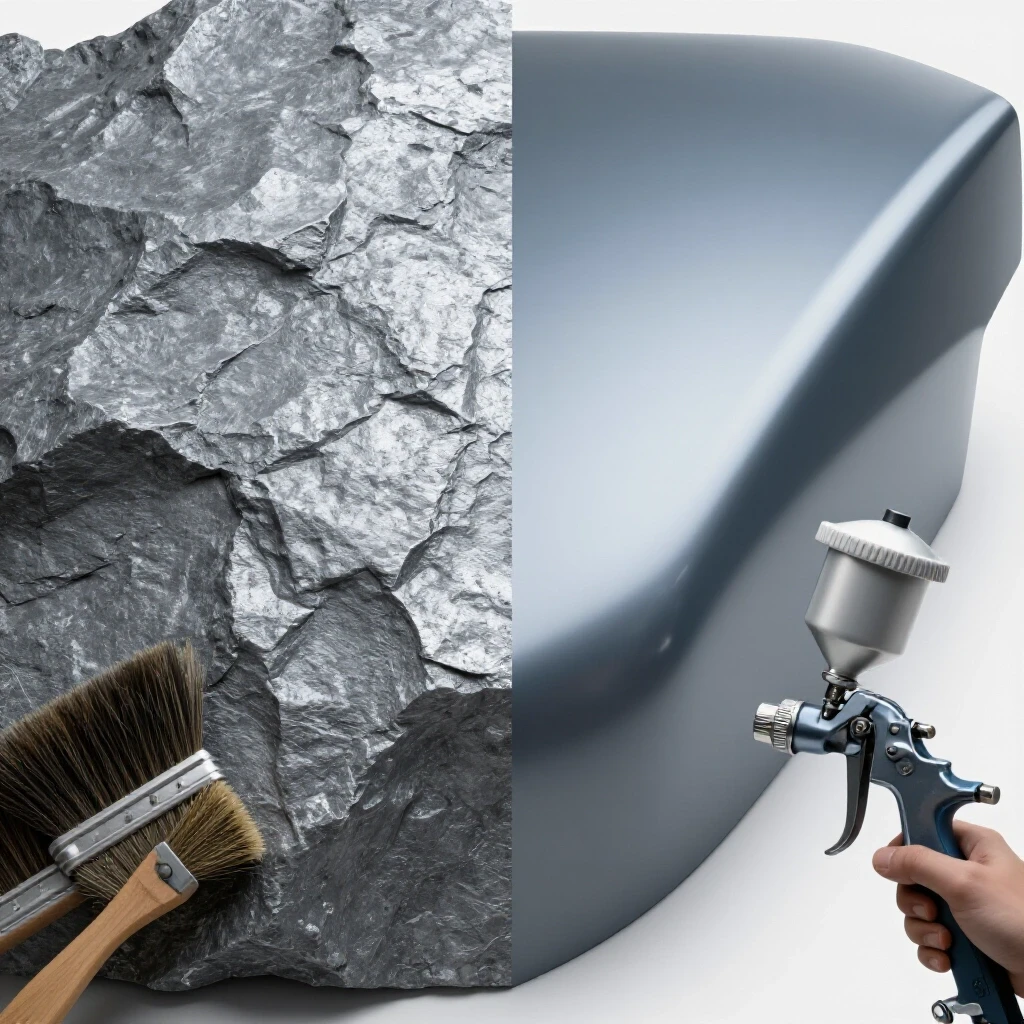
- Hot-Rolled Steel (HRS): Scaly surface, less precise dimensions, but very cost-effective for large structures.
- Cold-Rolled Steel (CRS): Shiny, smooth finish, very accurate dimensions, higher tensile strength.
- Yield Strength: The point where the metal stays bent and does not spring back.
- Tensile Strength: The maximum stress the metal can handle before it actually pulls apart.
| Steel Grade | Common Form | Yield Strength (PSI) | Best Use Case |
|---|---|---|---|
| ASTM A36 | Angle, Channel, Plate | 36,000 | General structural frames |
| AISI 1018 | Round Bar, Sheet | 54,000 | Precision parts, shafts |
| ASTM A513 | Mechanical Tubing | 32,000 – 45,000 | Furniture, light frames |
| ASTM A500 | Structural Tubing | 42,000 – 46,000 | Heavy trailers, building supports |
Calculating Physical Dimensions and Quantities
Accurate measurement is the only way to avoid the frustration of a “short” piece during assembly. You must account for every inch of material, including the parts that disappear during the fabrication process. This step turns a conceptual drawing into a concrete shopping list that a supplier can fulfill without confusion.
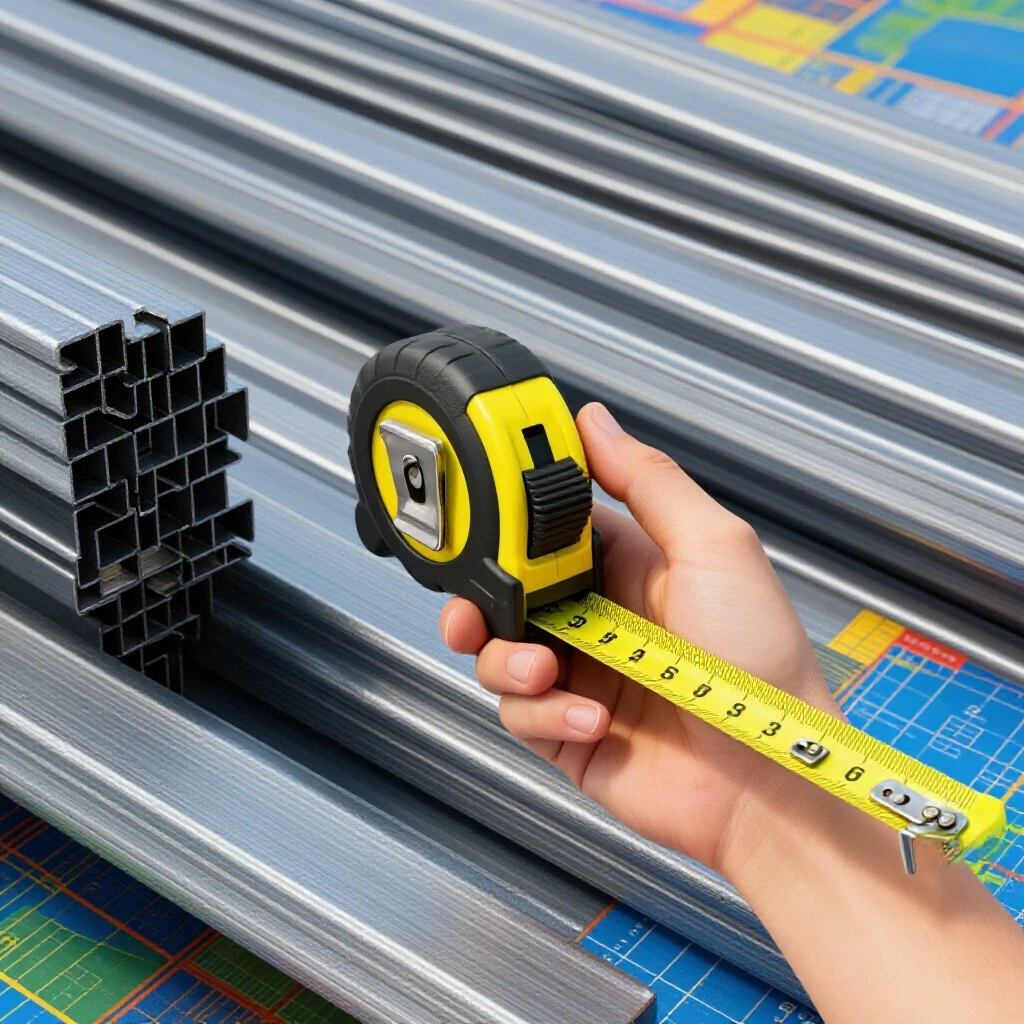
When I calculate a material list, I start with a detailed cut list. This is a document that breaks down every single piece of steel by its length and profile. For example, if I am building a workbench, I list the four legs, the four top rails, and the four bottom stretchers separately. I always add a “kerf” allowance. A kerf is the width of the material removed by a saw blade or cutting torch. While it may only be 1/16th or 1/8th of an inch, those small gaps add up over twenty cuts.
I also recommend adding a 10% waste factor to your total length. This covers mistakes, bad ends of the stock, or slight design changes. If your total length for 2-inch angle iron is 40 feet, order 44 feet. It is much cheaper to have four feet left over than to pay a second delivery fee for one missing piece.
- List every individual component by size and length.
- Group identical profiles together (e.g., all 2×2 tubing in one category).
- Add 1/8 inch to every cut for the saw kerf.
- Total the lengths and round up to the nearest standard stick length (usually 20 or 24 feet).
- Add a 10% buffer for safety and errors.
Understanding Structural Profiles and Their Applications
The shape of the steel, or its profile, determines how it handles different types of forces. Choosing the wrong profile can lead to a structure that is heavy but weak, or light but prone to twisting. Understanding the “why” behind shapes like C-channel or I-beams helps you design for maximum stability.
Square and rectangular tubing are favorites in the home shop because they are easy to join and have a high resistance to twisting, also known as torsion. However, for beams that need to span a long distance, an I-beam or a C-channel might be more efficient. These shapes are designed to put the most material where the stress is highest. When a load is placed on a beam, the top is squeezed (compression) and the bottom is pulled (tension). The “flanges” of a beam handle these forces, while the “web” in the middle keeps the flanges apart.
Angle iron is another common profile. It is excellent for bracing or creating frames for shelving. However, it is not very strong when used as a long, unsupported beam because it tends to twist under a heavy load. If you are building a trailer frame, you would likely choose C-channel or thick-walled rectangular tubing over angle iron to ensure the structural metal load capacity is sufficient for the weight.
- Square/Rectangular Tubing: Best for frames, legs, and torsion resistance.
- Angle Iron: Best for brackets, short spans, and edge protection.
- C-Channel: Best for trailer frames and structural tracks.
- Flat Bar: Best for tabs, gussets, and decorative work; poor for structural spans.
Material Tolerances and Surface Conditions
Steel is not always as perfect as it looks on a computer screen. Manufacturers have “tolerances,” which are the allowable variations in thickness, width, and straightness. Being aware of these variations prevents assembly issues where parts do not line up as expected.
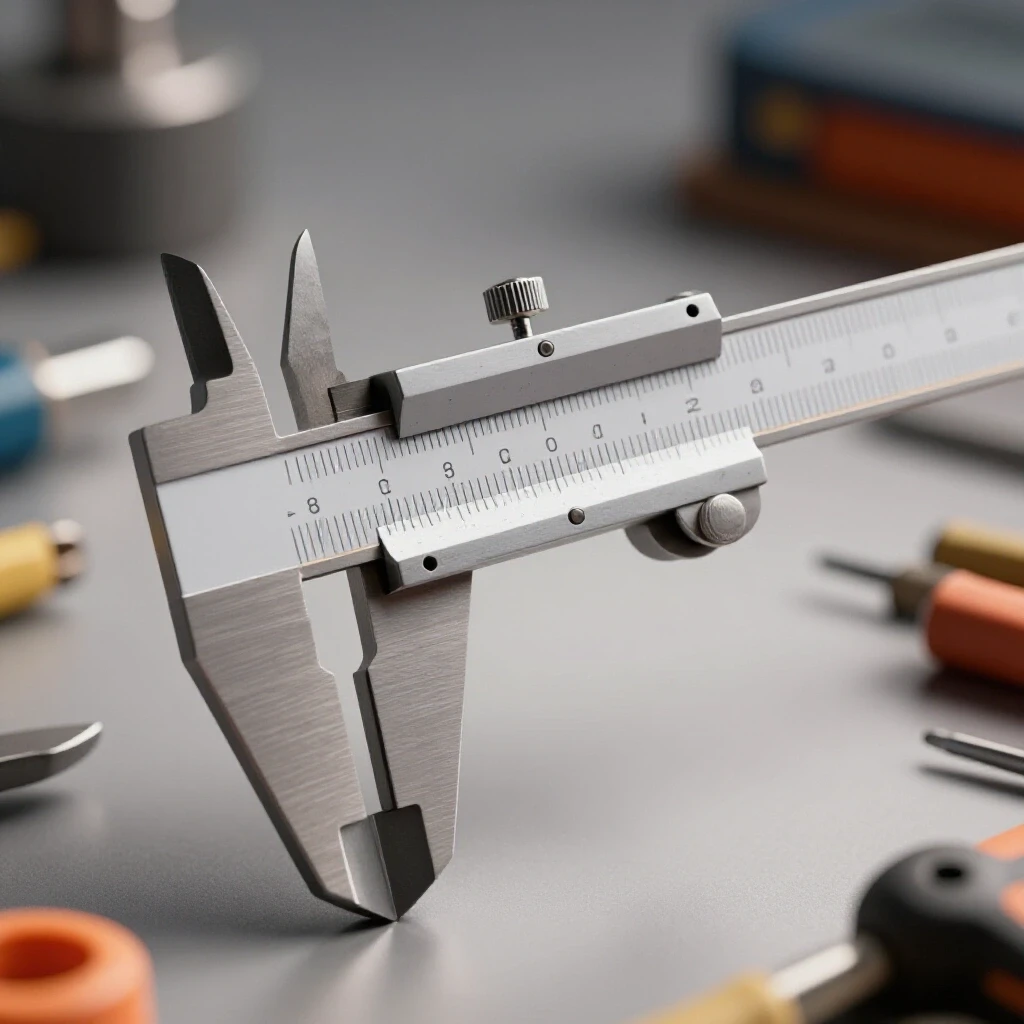
Hot-rolled steel often has “mill scale,” which is a dark, flaky layer of iron oxide. This scale must be removed before you can accurately measure or join the pieces. If you order a 1/4-inch plate, it might actually be 0.240 inches or 0.260 inches thick. In my experience, these small differences can ruin a tight-tolerance project if you don’t check the material upon delivery. I always keep a pair of calibrated calipers in my shop to verify the thickness of the stock as it comes off the truck.
Straightness is another factor. Long pieces of steel can have a “camber” or a “sweep,” which means they are slightly bowed. If you are building a long gate or a trailer, a bowed piece of steel will make the entire project look crooked. When you order, you can ask for “straightened” stock, though it may cost more. For most DIY projects, you simply need to account for the bow during your layout by facing the “crown” of the material in a direction that minimizes its impact.
- Mill Scale: A byproduct of the hot-rolling process that affects surface quality.
- Camber: A curve in the vertical plane of a beam.
- Sweep: A curve in the horizontal plane of a beam.
- Gauge vs. Fractions: Sheet metal is often sold by gauge (higher number is thinner), while plate is sold by fractions of an inch.
Preparing Your Order for the Steel Yard
Communicating clearly with your supplier is the final step in ensuring you get exactly what you need. A vague order leads to mistakes, and in the world of heavy metal, mistakes are expensive to ship back. Using the correct terminology and providing a clear list makes you a preferred customer at the steel yard.
When you call or email a supplier, be specific. Instead of saying “I need some 2-inch tubing,” say “I need two 20-foot sticks of 2-inch by 2-inch by 1/8-inch wall A513 square tubing.” This leaves no room for interpretation. Specify if you need the material cut into shorter lengths for transport. Most yards have a large horizontal bandsaw and can “down-cut” your 20-foot sticks into 10-foot or 5-foot sections for a small fee. This is often safer than trying to haul 20-foot lengths on a small utility trailer.
Always ask about the “origin” of the steel if your project requires specific certifications, though for most hobby work, standard domestic or imported steel is fine. Also, inquire about “remnants” or “drops.” These are short pieces left over from other customers’ orders. You can often find high-quality steel in the remnant pile for a fraction of the cost of a full stick.
- Specify the quantity (number of sticks or pieces).
- State the profile (Angle, Tube, Plate, etc.).
- Provide the dimensions (Width x Height x Wall Thickness).
- Mention the grade (A36, 1018, etc.).
- Request any necessary “down-cuts” for transport.
Workshop Readiness and Material Handling Safety
Once the steel is ordered, you must prepare your workspace for its arrival. Heavy steel stock introduces new risks to a home shop. Proper preparation involves having a workshop safety checklist that covers everything from storage to personal protective equipment (PPE).
Handling 20-foot sticks of steel requires space and a plan. I have seen many people strain their backs trying to manhandle a 150-pound beam alone. Use jack stands or a rolling cart to support the weight. Ensure your storage rack is anchored to the wall and can handle the weight. A single rack of steel can easily weigh several thousand pounds, which is enough to collapse a poorly built wooden shelf.
Safety also extends to the tools you will use once the material is in the shop. Even though we aren’t discussing the act of fabrication here, your order should include the consumables needed to keep the shop safe. This includes ensuring you have the correct PPE, such as Shade 10-13 filters for your helmet if you plan to observe arc work, and ensuring your ventilation can handle any dust from cleaning the mill scale.
- PPE Shade/Rating: Use Shade 5 for oxy-fuel cutting and Shade 10-13 for welding.
- Welding Gas Flow Rate: Ensure you have enough shielding gas (typically 15–20 CFH) if you are moving straight into assembly.
- Lifting Safety: Use a 4:1 safety factor for any homemade lifting jigs or overhead storage.
- Ventilation: Ensure at least 200 CFM of airflow in your work zone to clear fumes.
Failure Analysis: What Happens When You Order Wrong
Understanding the consequences of poor material selection can help you stay disciplined during the ordering phase. When a structure fails, it is rarely a mystery. It is usually a result of the material being unable to handle the physical forces applied to it.
One common failure is “brittle fracture.” This happens when a material is too hard and lacks ductility, causing it to snap suddenly rather than bending. If you accidentally order a high-carbon steel for a project that needs to flex, you risk a catastrophic break. Another issue is “heat-affected zone (HAZ) weakness.” If you select a material that is very thin, the heat from your future assembly processes can change the grain structure of the metal, making it weak right next to the joints. By ordering a slightly thicker wall than the absolute minimum, you provide a “heat sink” that protects the structural integrity of the part.
I once inspected a trailer frame that had developed cracks near the tongue. The builder had used thin-walled tubing to save weight but hadn’t accounted for the “dynamic load”—the bouncing and pulling of the trailer on the road. The metal reached its fatigue limit and failed. This could have been avoided by selecting a thicker structural tubing grade like A500 Grade B during the ordering phase.
| Failure Type | Root Cause in Ordering | Prevention Strategy |
|---|---|---|
| Permanent Deformation | Yield strength too low for load | Select higher grade or thicker section |
| Brittle Fracture | Incorrect high-carbon grade selected | Use A36 or similar ductile mild steels |
| Structural Sagging | Profile shape has low moment of inertia | Switch from flat bar/angle to tubing/beams |
| Excessive Vibration | Material wall thickness too thin | Increase wall thickness to add mass and stiffness |
Actionable Material Procurement Checklist
To keep your projects on track and your shop safe, follow this framework every time you prepare to buy steel. This list ensures you haven’t missed a critical detail that could lead to waste or failure.
- Finalize the Design: Do not order until your drawing is 100% complete.
- Verify Load Paths: Ensure the shapes you chose can handle the weight.
- Create the Cut List: Include kerf and 10% waste.
- Choose the Grade: A36 for general use, 1018 for precision.
- Check Local Stock: Call your supplier to see if they carry your chosen sizes.
- Inspect the Remnant Pile: Look for “drops” to save money on small parts.
- Plan the Transport: Know your vehicle’s weight limit and overhang laws.
- Prepare Storage: Clear a space in the shop before the steel arrives.
- Verify the Delivery: Check thickness and straightness before the driver leaves.
- Update Your Inventory: Keep track of what you have left for the next project.
By following these steps, you move from being a hobbyist who “wings it” to a fabricator who operates with industrial-level precision. The confidence that comes from knowing you have the right material is the first step toward a project that lasts a lifetime.
Frequently Asked Questions
What is the difference between “gauge” and “fractional” thickness? Gauge is a measurement system typically used for sheet metal and thin-walled tubing. As the gauge number increases, the metal gets thinner (e.g., 11-gauge is thicker than 16-gauge). Fractional measurements, like 1/4-inch or 3/8-inch, are used for plate and heavier structural shapes. Always verify the decimal equivalent to ensure your design fits.
Can I use “rebar” for structural frames? Rebar is designed specifically to be buried in concrete. It has a high carbon content and inconsistent chemical properties, which makes it difficult to work with and prone to cracking if used as a standalone structural member. For frames, stick to A36 structural steel.
How do I know if I should buy hot-rolled or cold-rolled steel? If your project will be painted and doesn’t require high precision (like a gate or a trailer), hot-rolled is the better value. If you are making something with moving parts, sliding fits, or a polished finish, cold-rolled steel’s accuracy and surface quality are worth the extra cost.
What is the standard length of a “stick” of steel? Most steel yards sell long stock in 20-foot or 24-foot lengths. Some specialty tubing may come in 21-foot lengths. If you only need five feet, ask if they sell by the foot or if they have a “remnant” section to avoid buying a full stick.
Why does my steel have a layer of gray/black flakes on it? That is mill scale, a layer of oxide that forms when the steel is hot-rolled. It is normal for A36 steel. You must remove this scale using a grinder or sander before you can get accurate measurements or high-quality finishes.
How do I calculate the weight of the steel I am ordering? Steel weighs approximately 490 pounds per cubic foot. Most suppliers provide a weight-per-foot chart. For example, 2x2x1/8 square tubing weighs about 3.05 pounds per foot. Knowing the weight helps you determine if your trailer or shop rack can safely hold the load.
What is “pickled and oiled” steel? Pickled and Oiled (P&O) is hot-rolled steel that has been run through an acid bath to remove mill scale and then coated with oil to prevent rust. It is a great middle-ground option if you want the cost of hot-rolled steel but a cleaner surface to work with.
Is it safe to transport 20-foot sticks on a roof rack? Generally, no. Most roof racks are not rated for the weight or the leverage of a 20-foot beam. Long pieces can act like a lever, putting immense force on the rack during braking or turning. It is much safer to have the yard cut the steel to manageable lengths or use a dedicated trailer with proper “long load” flags.
What does “yield strength” mean for my project? Yield strength is the limit of “elastic” behavior. If you put a load on a beam and it stays bent after you remove the load, you have exceeded the yield strength. For a safe project, you should design so that your maximum expected load is only a fraction (often 1/2 or 1/4) of the yield strength.
Can I mix different grades of steel in one project? Yes, you can mix grades like A36 and 1018, but you must be aware of how they interact. For example, if you use a very strong grade for one part and a weak grade for another, the stress will often concentrate at the transition point, leading to potential failure in the weaker material.
(This article was written by one of our staff writers, James Harlan. Visit our Meet the Team page to learn more about the author and their expertise.)