How to Find Replacement Parts for Old Metal Lathes (Guide)
I have spent the better part of two decades surrounded by the heavy, silent presence of cast iron. There is a specific atmosphere in a workshop housing a 1930s Hendey or a pre-war Monarch. It is a scent composed of sulfurous cutting oil, aged grease, and the cold, metallic tang of seasoned metal. My journey into this world began eighteen years ago with a rusted South Bend 9-inch lathe that had been left in a damp basement. That project taught me a hard truth: the physical labor of cleaning a machine is secondary to the detective work of finding what is missing.
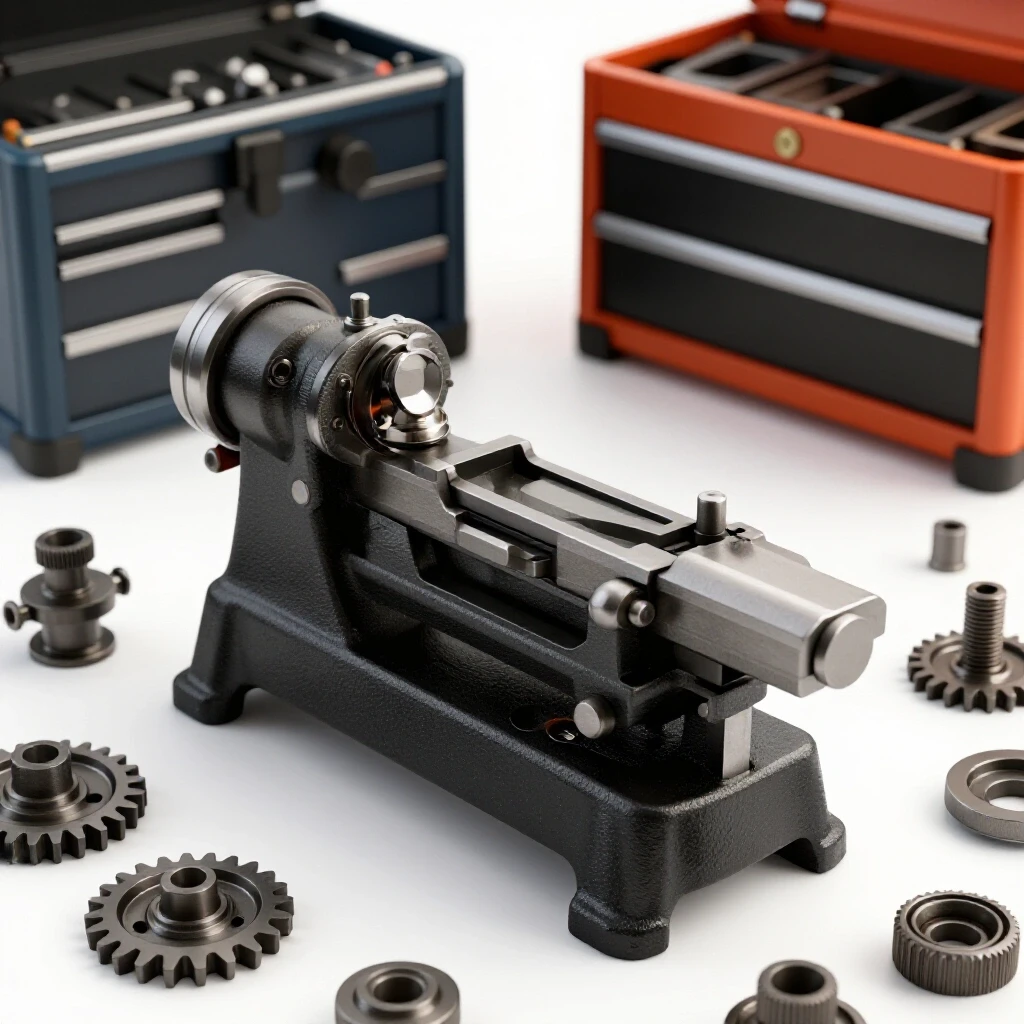
When you rescue a piece of mechanical history, you are rarely handed a complete machine. You often find yourself staring at a gaping hole where a steady rest should be or a stripped bronze nut that hasn’t been manufactured since the Truman administration. Locating these components requires a blend of historical research, precision measurement, and a bit of networking within the community of those who refuse to let these machines die.
Identifying Machine Origins and Casting Marks
Locating the correct components begins with a positive identification of the machine’s production run. Manufacturers often made subtle changes to castings and gear pitches during a model’s lifespan, meaning a part from 1940 might not fit a machine from 1945. You must find the “DNA” of the lathe through its stamped and cast identifiers.
Most vintage lathes have a serial number stamped into the bed, usually on the flat surface at the tailstock end between the front prismatic way and the flat way. I always keep a piece of fine-grit abrasive cloth and some light oil handy to gently reveal these numbers. Once you have the serial, you can often pinpoint the exact month and year of manufacture.
Casting marks are another vital clue. These are the raised letters or numbers found on the larger iron bodies of the machine, like the headstock or the apron. These marks often correlate to specific part numbers in an original catalog. If you find a number like “102-C” cast into a bracket, that is your primary search term for the secondary market.
- Check the top of the bed ways at the far right end for stamped serials.
- Look for brass plates on the gearbox; even if painted over, the rivet locations reveal their presence.
- Document casting numbers found on the underside of the tailstock and inside the gear covers.
- Clean the end of the spindle; some manufacturers stamped the nose taper size directly there.
Decoding Obsolete Technical Documentation
Technical manuals for defunct manufacturers act as the blueprints for your search. These documents provide the original part numbers, gear tooth counts, and thread pitches that are essential for verifying if a found component will actually fit your specific model.
In my early years, I spent hundreds of hours in libraries, but today, digital archives have changed the game. Websites dedicated to vintage machinery often host scanned PDF versions of original sales catalogs and parts lists. When I find a manual, I don’t just look at the pictures; I study the exploded diagrams. These diagrams show how a sub-assembly, such as the carriage apron, is put together.
Knowing the original part number allows you to communicate effectively with other collectors. If you tell a seller you need “the little gear in the back,” you will likely get the wrong part. If you ask for “Part No. 455-NK, 18-tooth idler gear,” your chances of success increase significantly.
- Search for the manufacturer’s name in the “Vintage Machinery” online database.
- Download the specific parts list for your machine’s year of production.
- Identify the exact nomenclature used by the factory for the missing piece.
- Cross-reference the part number against “interchangeability charts” often found in the back of service manuals.
Sourcing Through Donor Machines and Salvage Yards
When a manufacturer is no longer in business, the most reliable source for components is a “parts machine” of the same model. Salvaging from a donor allows you to acquire complex assemblies like tailstocks or gearboxes that cannot be easily found through retail channels.
I often keep an eye on local classifieds for “basket case” lathes. These are machines that are too far gone to restore—perhaps the bed is cracked or a fire damaged the headstock—but they are gold mines for small parts. A donor machine that costs a few hundred dollars might provide a set of original change gears, a functional lead screw, and all the proprietary oil cups you are missing.
When visiting a scrap yard, look for the heavy, dull grey of cast iron. Many yards have a “machinery row” where old industrial equipment sits before being broken up. It is a somber sight, but it is also an opportunity. I once found a rare taper attachment for a Lodge & Shipley lathe sitting in a bucket of scrap because the yard owner didn’t know what it was.
| Source Type | Best For | Risk Level |
|---|---|---|
| Donor Machine | Complete sub-assemblies (aprons, tailstocks) | High (requires transport and storage) |
| Scrap Yards | Heavy castings and structural iron | Medium (parts may be cracked or warped) |
| Local Classifieds | Small accessories and handwheels | Low (usually easy to inspect) |
| Machinery Rebuilders | Precision internal gears and spindles | Low (higher cost but verified quality) |
Navigating Community Exchanges and Specialty Forums
Niche online communities and machinist groups often maintain private stashes of legacy hardware that never hit the open market. These networks are invaluable for finding rare items like proprietary handles or specific gear sets that rarely appear in mainstream commercial listings.
The community of restorers is generally helpful, but they value precision. When I post a request on a forum, I include the machine’s serial number, the part number from the manual, and a photo of the area where the part is missing. This level of detail shows that you are a serious restorer and helps others check their spare parts bins accurately.
There are also “email lists” and social media groups dedicated to specific brands, such as South Bend, Atlas, or Cincinnati. These groups often have a “For Sale or Trade” section. Interestingly, many members prefer trading parts rather than selling them, as they are also looking for elusive components for their own projects.
- Join brand-specific groups on community forum platforms.
- Create a “Wanted” post with clear photos and dimensions.
- Offer your own spare parts for trade to build rapport within the group.
- Check the “archived” posts; sometimes a part offered three years ago never sold.
Strategies for Locating Obsolete Fasteners and Bearings
Older lathes often use non-standard thread pitches or bearing sizes that have been out of production for decades. Identifying these requires precision measurement tools to cross-reference historical standards against modern equivalents or specialty suppliers.
Many pre-war machines used “orphan” threads, such as 1/2-12 or 5/8-11. While some of these are still available, others are entirely proprietary. I use a thread pitch gauge and a micrometer to verify every fastener. If a bolt is missing and the hole is stripped, I don’t just tap it to a modern size; I try to find a specialty supplier who stocks “antique” thread patterns to maintain the machine’s integrity.
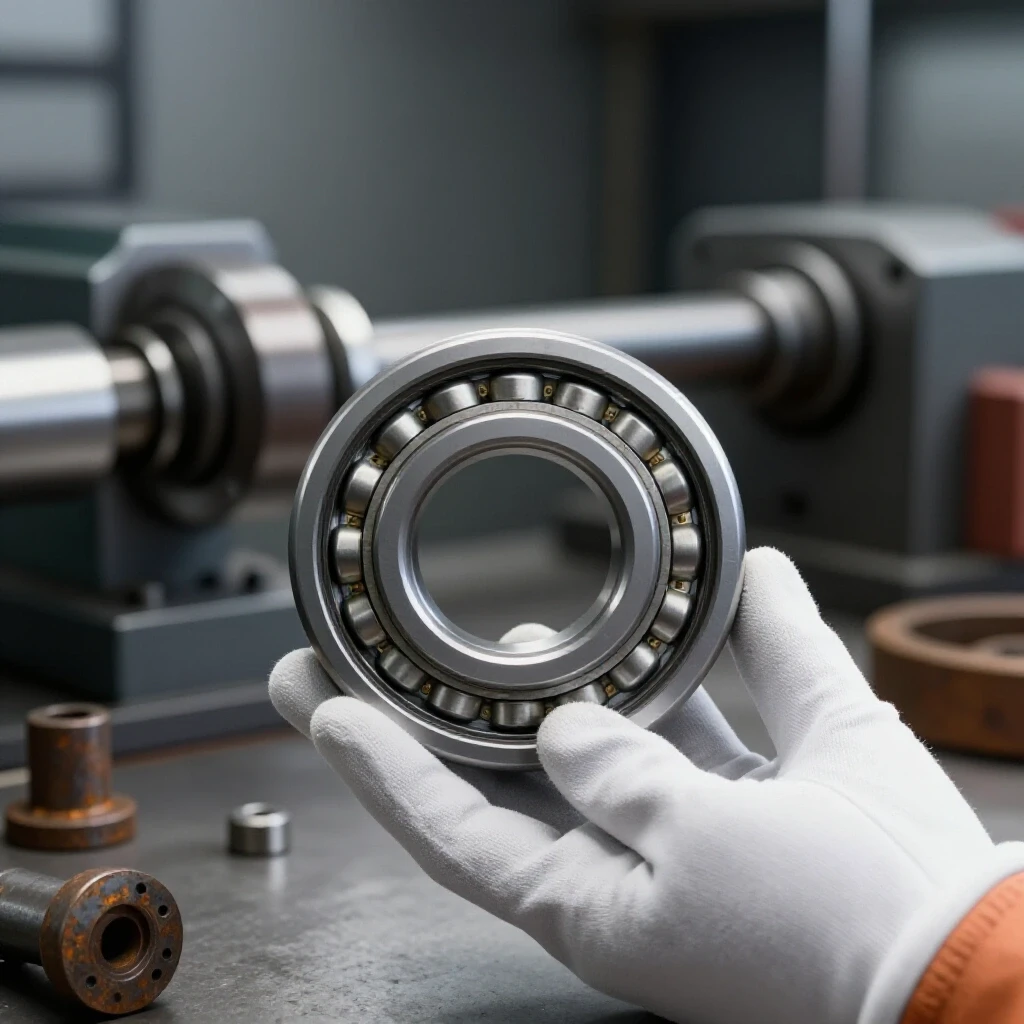
Bearings are another challenge. Older lathes often use “sleeve bearings” or “Babbitt bearings” rather than modern ball bearings. If a bronze sleeve bearing is worn beyond its 0.001–0.002 inch clearance, you won’t find a replacement at a local auto parts store. You will need to source “continuous cast” bronze bar stock of the correct alloy (like SAE 660) to have a new one machined to match your spindle.
| Component | Standard Metric/Imperial | Common Vintage Issue |
|---|---|---|
| Spindle Bearings | Clearance: 0.001″ – 0.002″ | Scored surfaces or excessive “play” |
| Lead Screw Threads | Acme or Square profile | Heavy wear in the center of the travel |
| Fasteners | UNC / UNF / BSW | Obsolete pitches (e.g., 12-thread vs 13-thread) |
| Oil Cups | Gits-style or flip-top | Missing lids or crushed bodies |
Replicating Unobtainable Parts via Historic Patterns
If a part cannot be found after an exhaustive search, it must be recreated using the original as a pattern. This process involves using a damaged component or a borrowed “loaner” to create a template for manual machining or a mold for a new casting.
I have faced situations where a cast-iron gear guard was simply gone. In these cases, I reach out to the community to see if someone can provide dimensions or even a 3D scan of their own guard. With these dimensions, a pattern can be made from wood or high-density plastic. This pattern is then sent to a small-batch foundry to be cast in grey iron.
For smaller steel or bronze parts, like a custom-shaped handle or a specific plunger, manual machining is the way forward. I use the dimensions from the original manual to turn the part on another functioning lathe. It is a poetic cycle: using a working machine to create the heart of a broken one.
- Obtain a “loaner” part from a fellow collector for measurement.
- Create a detailed technical drawing with tolerances of +/- 0.001 inch.
- Choose a material that matches the original’s metallurgical profile (e.g., Class 30 Grey Iron).
- Use a local machine shop or your own equipment to recreate the geometry.
Managing the Logistics of Heavy Component Acquisition
Moving and storing large lathe components requires specialized equipment and a focus on physical safety. A tailstock for a 16-inch lathe can weigh over 100 pounds, and a headstock can easily exceed 400 pounds, making manual lifting a risk to both the restorer and the casting.
When I source a major component from a distance, I always ask the seller to bolt it to a small wooden skid. Cast iron is surprisingly brittle; a drop from a workbench can shatter a leg or a gearbox housing that has survived eighty years of use. I use a 1-ton shop crane (engine hoist) for all heavy lifting, ensuring that I use nylon slings rather than chains to avoid marring the machined surfaces.
Inventory management is also crucial. When you start sourcing parts from multiple vendors and donor machines, it is easy to lose track of what you have. I keep a dedicated “Parts Inventory Sheet” for every project. This sheet lists the part name, the source, the date acquired, and whether it has been cleaned and inspected for cracks.
- Use nylon lifting slings to protect finished surfaces.
- Always bolt heavy castings to skids for transport.
- Keep a log of all incoming parts to avoid double-buying.
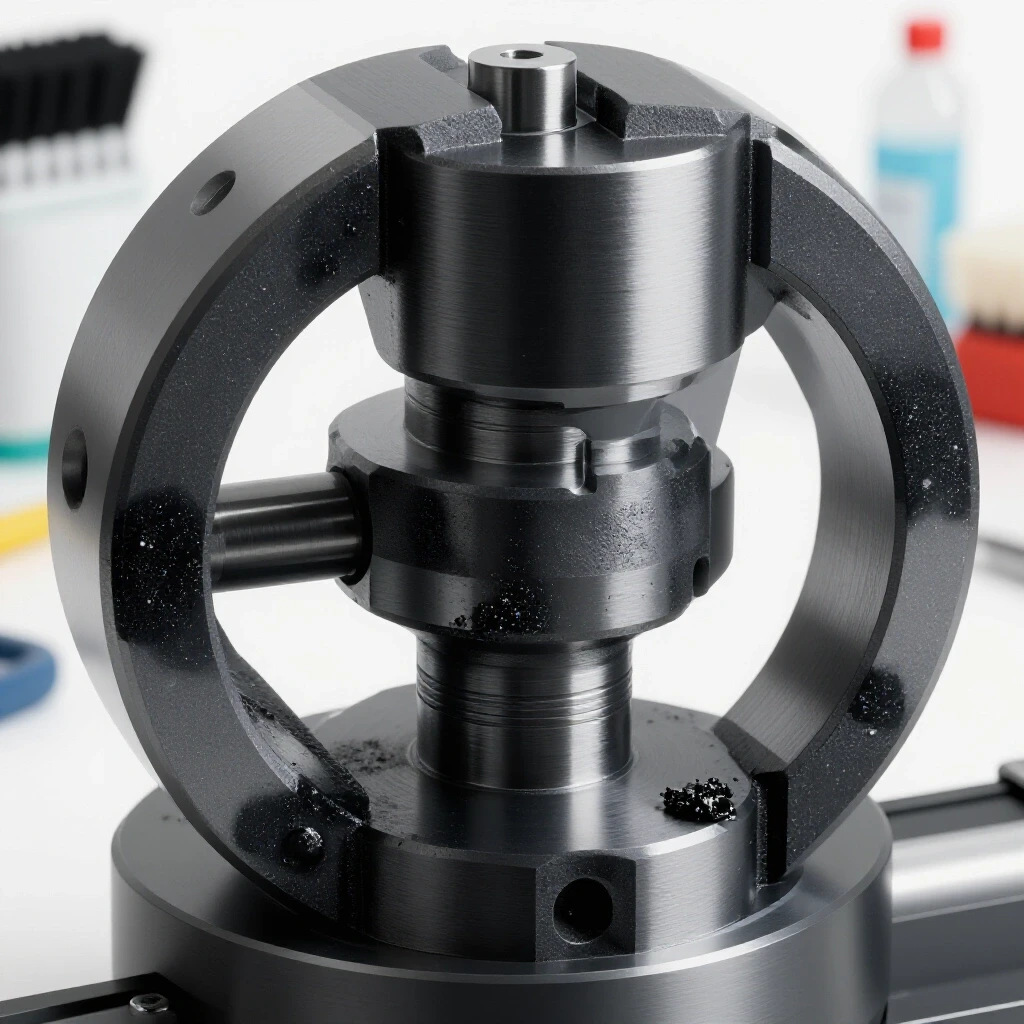
- Inspect every “new” old part for hairline cracks using a dye-penetrant test.
Common Mistakes When Sourcing Vintage Components
One of the most frequent errors I see is the “close enough” mentality. A restorer might find a handwheel that looks identical to the original but has a slightly different bore size or offset. Forcing a part to fit can lead to broken castings or misaligned shafts, which compromises the machine’s precision.
Another mistake is neglecting the “hidden” parts. People often focus on the large, visible items like the tailstock but forget the small internal components like woodruff keys, oil wicks, and felt washers. These small items are essential for the machine’s longevity. When sourcing, I always try to buy the “complete” assembly rather than just the main casting.
Finally, don’t assume that because a part came off the same model of lathe, it will be a drop-in fit. In the era of these machines, “hand-fitting” was common at the factory. A tailstock from one 10-inch South Bend might be 0.005 inches higher or lower than the spindle center of another. You must be prepared to perform final fitting and alignment once the part is acquired.
Frequently Asked Questions
How do I know if a part from a different brand will fit my lathe? In general, they won’t. Lathe manufacturers used proprietary designs for almost everything, including the taper of the bed ways and the pitch of the gears. The only exceptions are “standardized” items like Morse Taper centers, chucks with matching spindle nose threads, and certain types of oil cups. Always stick to parts designed specifically for your make and model.
Where is the best place to find gears for an old lathe? If you cannot find original “change gears” on the used market, you can look at industrial suppliers like Boston Gear. You will need to know the “Pressure Angle” (usually 14.5 or 20 degrees) and the “Diametral Pitch” of your existing gears. You may need to machine the bore and keyway of a standard industrial gear to fit your lathe’s shafts.
Can I use 3D printing to replace missing parts? 3D printing is excellent for creating “patterns” for casting or for non-structural items like knobs and dust covers. However, it is not suitable for structural components, gears, or anything that handles the high stresses of metal cutting. Use it as a modeling tool, not a final replacement for cast iron or steel.
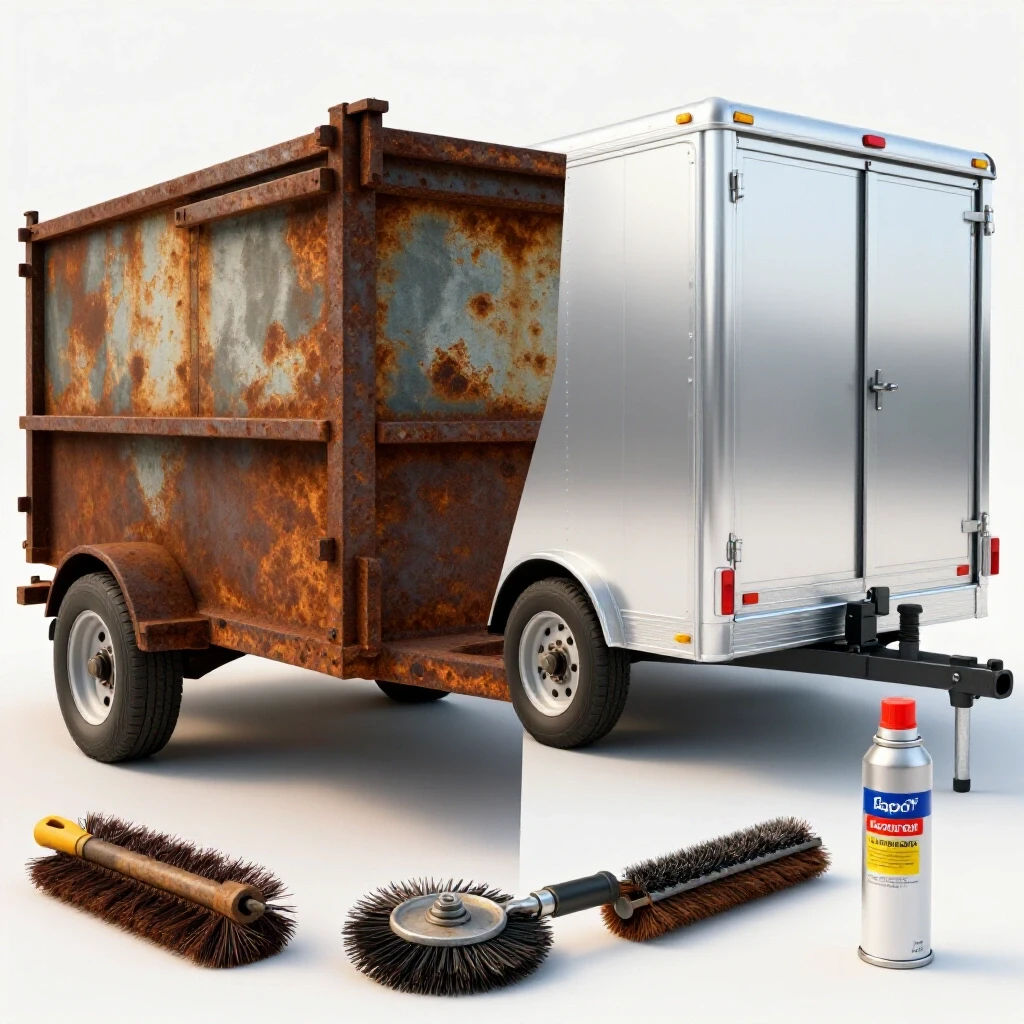
What should I do if a part I found is heavily rusted? Surface rust is rarely a deal-breaker. As long as the metal isn’t deeply pitted on a precision surface (like a bearing journal or a slide way), it can be cleaned. I use a slow process of soaking in a chemical rust remover followed by a light scrubbing with a brass brush. Avoid aggressive grinding, as this will change the dimensions of the part.
How can I identify the thread pitch of a missing bolt? If the bolt is missing, you can use a “thread plug gauge” or carefully press a piece of soft wood or lead into the hole to take an impression of the threads. Measure the peaks of the impression with a caliper and count the threads per inch. This will tell you exactly what you need to source.
Is it worth buying a “parts machine” if I only need one thing? Often, yes. If the part you need is a major assembly like a gearbox or a carriage, the cost of buying that part individually (if you can even find it) often exceeds the price of a complete, non-running donor machine. Plus, you will have a lifetime supply of original fasteners and small brackets.
What is the most difficult part to find for a vintage lathe? The “steady rest” and “follow rest” are notoriously difficult to find. Because they were often sold as accessories and were not permanently attached to the machine, they frequently got separated from the lathe over the decades. They are highly sought after and usually command a high price when they do appear.
How do I verify if a used spindle is still good? Inspect the bearing surfaces for deep scratches or “bluing,” which indicates it was run without oil and overheated. Use a micrometer to check for “out-of-roundness.” A spindle that is worn more than a few thousandths of an inch will cause vibration and poor finishes, making it a poor replacement choice.
What are “Gits” cups, and why are they important? Gits is a brand name that became a generic term for the small, spring-loaded oil caps found on vintage machinery. They keep chips and dust out of the bearings while allowing you to inject oil. Many restorers replace missing ones with modern equivalents to ensure the machine stays lubricated and protected.
Can I use a tailstock from a different model if the center height is the same? It is very risky. Even if the center height matches, the “ways” (the tracks on the bed) must have the exact same angle and spacing. If the tailstock doesn’t sit perfectly on the ways, it will be misaligned, and your lathe will not be able to turn or drill accurately. It is always better to wait for the correct part.
(This article was written by one of our staff writers, Richard Beaumont. Visit our Meet the Team page to learn more about the author and their expertise.)