How to Value and Sell Used Workshop Machinery Safely (Tips)
When I first started my fabrication shop, I treated my machinery like family. I kept every tool, even when it no longer served my workflow. This was a mistake. I eventually realized that every square foot of my shop had to earn its keep. For a side-hustle metalworking business, your equipment is either a profit-driving asset or a space-consuming liability. Learning how to accurately price and move your used gear is a vital skill for maintaining a lean, profitable shop.
We worry about leaving money on the table, but we also fear overpricing and losing a sale. My 16 years in the industry taught me that data removes the emotion from these decisions. Whether you are upgrading a manual lathe or selling a drill press to cover your monthly overhead, you need a systematic approach to determine value.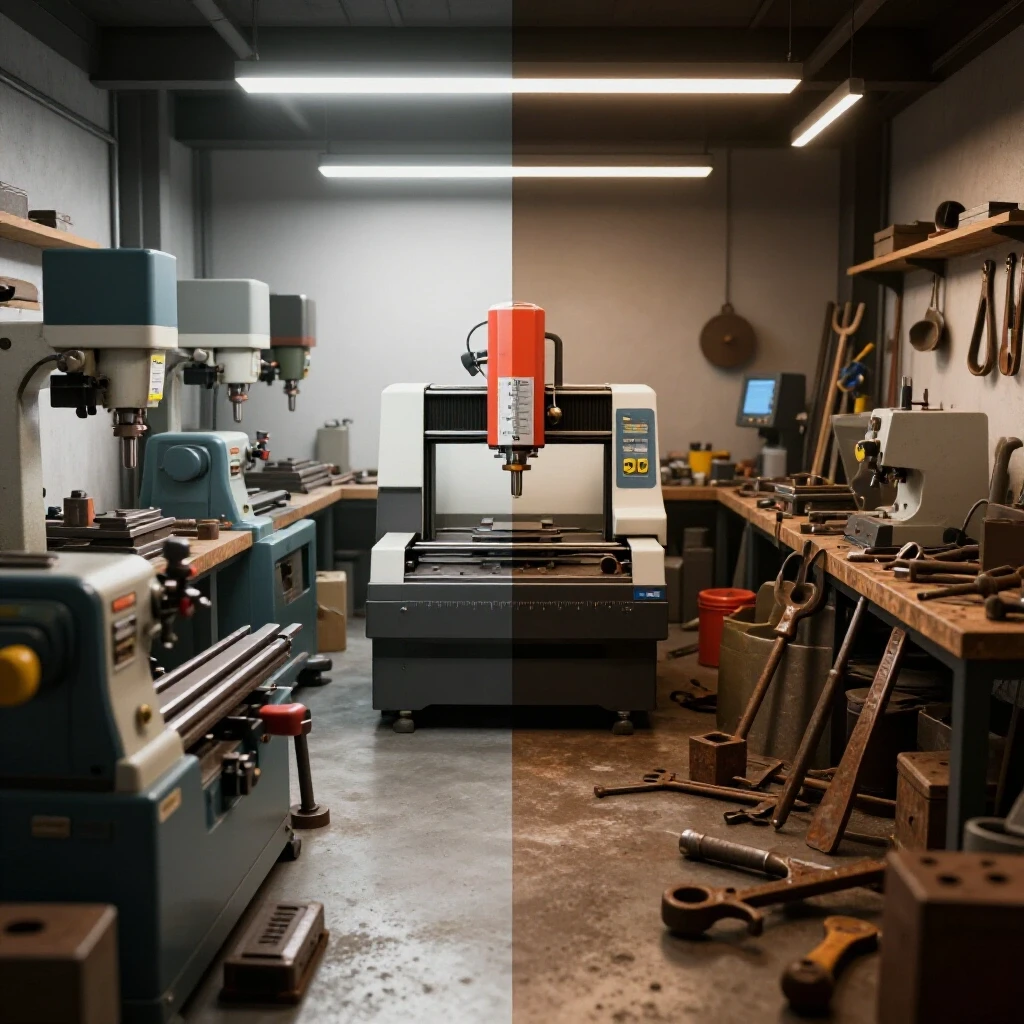
Establishing a Baseline for Equipment Resale Values
Determining the market value of a used machine involves comparing its current state to its original cost and its remaining lifespan. This process helps you recover capital to reinvest in more efficient tools that lower your fabrication job costing. You must look at local demand and the specific capabilities of your machine to find a realistic price point.
To get started, I look at three main factors: age, brand reputation, and replacement cost. A name-brand mill from a respected manufacturer holds value far better than a generic import. I generally follow a “rule of thirds” for a quick estimate. A machine in excellent condition might fetch two-thirds of its current retail price. One in fair condition might go for one-third.
| Machine Condition | Visual Indicators | Typical Percentage of New Price |
|---|---|---|
| Excellent | Original paint, no rust, minimal backlash, all accessories included. | 60% – 75% |
| Good | Minor scratches, well-lubricated, fully functional, some wear on handles. | 40% – 55% |
| Fair | Significant paint wear, noticeable backlash, requires minor tuning. | 20% – 35% |
| Poor | Rust present, missing parts, noisy bearings, needs a total rebuild. | 10% – 15% |
Understanding these tiers prevents you from underpricing a high-quality tool. It also keeps you from overestimating the value of a worn-out machine. In my experience, being honest about condition builds trust with buyers and leads to faster, safer transactions.
Assessing Mechanical Condition for Fair Market Pricing
Mechanical assessment is the process of checking a machine’s vital components to verify its accuracy and longevity. For metalworking tools like lathes and mills, this means looking at the ways, the spindle, and the lead screws. A machine that can still hold tight tolerances is worth significantly more to a serious fabricator.
When I evaluate a lathe, I start with the ways. I run my fingernail across the bed near the headstock to feel for ridges or “steps” caused by years of carriage travel. If the ways are smooth, the machine is likely accurate. Next, I check the spindle runout using a dial indicator. A spindle that wobbles even a few thousandths of an inch will ruin your small metal shop pricing because you will spend too much time fighting the machine to get a good finish.
- Check for “backlash” in the handwheels by seeing how much you can turn them before the table moves.
- Listen to the motor and gearbox for grinding or high-pitched whines that signal bearing failure.
- Verify that all speeds and feeds engage smoothly without slipping.
- Look for “mushrooming” on parts that have been hammered or abused.
If you find issues, do not hide them. Instead, adjust your price. I once sold a vertical mill with a noisy spindle bearing. I told the buyer exactly what it was and knocked $300 off the price. He was happy because he knew how to fix it, and I was happy because the machine was out of my shop and the cash was in my hand.
Managing Safe In-Person Inspections and Machine Testing
Safety during a private sale involves both physical protection and ensuring a smooth financial transaction. When a stranger enters your workshop, you need a plan to keep the environment controlled and the machine demonstration safe. This protects your shop and ensures the buyer feels confident in the purchase.
I always prefer to have a friend or family member at the shop when a buyer arrives. I keep the work area clean and free of tripping hazards. Before the buyer touches any controls, I give a brief safety orientation. I show them where the emergency stop is and explain any quirks the machine might have. This prevents accidental damage to the machine or injury to the guest.
I never let a machine leave the shop until the funds are fully cleared. For side-hustle metalworking, a bounced check can wipe out a month’s worth of profit. I also make it clear that the buyer is responsible for moving the item once the sale is finalized.Calculating Shop Rates and Tool ROI During Equipment Turnover
Tool turnover is a key part of managing your metal business ROI calculators. When you sell an old machine, you are essentially “cashing out” its remaining value to fund something more productive. This section explains how to look at the money you get back and how it affects your overall shop hourly rate.
Your shop rate should include a “tool replacement fund.” If you charge $85 per hour, a small portion of that goes toward the eventual replacement of your machinery. When you sell a tool, the money you receive should be added back into this fund. This makes your next upgrade feel less like a burden and more like a planned business move.
- Amortized Capital: This is the cost of a tool spread out over its useful life.
- Machine Amortization: A way to track how much value a machine loses each year you use it.
- Hourly Tool Burden: The cost per hour to run a specific machine, including power and wear.
If I buy a bandsaw for $1,200 and use it for five years before selling it for $600, my actual cost was only $120 per year. If that saw helped me finish 100 jobs, the “tool cost” per job was only $6. Understanding this math helps you set a more accurate shop rate and ensures your fabrication job costing is on point.
Why Hidden Consumables Impact Machine Resale Value
Consumables are the items that get used up during fabrication, like drill bits, grinding wheels, and coolant. When selling a machine, including a “starter pack” of consumables can significantly increase the value and speed of the sale. However, you must track these costs to ensure you aren’t giving away your profits.
I often see side-hustlers overlook the value of the tooling they include with a sale. A used lathe might be worth $1,000, but if it comes with $400 worth of quick-change tool posts and carbide inserts, the total value jumps. I keep a detailed log of my welding consumable tracking to know exactly what I have on hand.
| Consumable Type | Estimated Value (Used/Partial) | Impact on Sale Price |
|---|---|---|
| Lathe Tooling | $50 – $300 | High (Buyers love “ready to run” setups) |
| End Mills/Drills | $20 – $100 | Medium (Good for sweetening the deal) |
| Coolant/Lubricants | $10 – $30 | Low (Mostly a convenience for the buyer) |
| Grinding Wheels | $5 – $20 | Low (Usually considered a wear item) |
By including these items, you help the buyer start working immediately. In exchange, you can often ask for a higher price than you would for the bare machine. Just make sure you aren’t including your best tooling that you’ll need for your new machine.
Documenting the Handover and Basic Record Keeping
Basic documentation is essential for a clean break between you and the buyer. It provides a record of the transaction and clarifies that the machine is being sold in its current state. This simple step protects both parties and keeps your shop records organized for future ROI calculations.
I use a simple, handwritten or printed receipt for every sale. This isn’t a complex legal document, but a clear statement of facts. It should include the date, the machine’s serial number, the sale price, and the names of both parties. I always include the phrase “Sold as-is, where-is, with no warranties expressed or implied.”
- Date of Sale: Helps track your equipment depreciation cycles.
- Serial Number: Ensures there is no confusion about which specific unit was sold.
- Payment Method: Useful for your personal bookkeeping.
- Condition Notes: A brief mention that the buyer inspected and tested the tool.
Keeping these records in a simple folder allows me to look back and see how my equipment investments have performed over time. If I consistently sell a certain brand for a good price, I know that brand is a safe bet for my next purchase. This data-driven approach is what separates a profitable shop from a struggling hobby.
Avoiding Common Mistakes When Liquidating Workshop Assets
The biggest mistake I see small shop owners make is waiting too long to sell. We often hold onto a machine “just in case,” but that machine is losing value and taking up space. Another common error is failing to clean the machine before showing it. A layer of grease and metal chips can hide a great tool and make it look like junk.
I once visited a shop to look at a surface grinder. It was buried under a pile of old welding jackets and covered in dust. The owner wanted top dollar, but I couldn’t even see the ways to check for wear. I walked away. If he had spent twenty minutes cleaning it and clearing the area, I probably would have bought it.
- Don’t over-clean: Do not repaint a machine just to sell it. Buyers often suspect a fresh coat of paint is hiding cracks or repairs.
- Don’t forget the manual: If you have the original paperwork, include it. It adds a professional touch.
- Don’t be firm on a bad price: If you haven’t had any interest in two weeks, your price is likely too high for the local market.
- Don’t ignore the “small stuff”: Missing handles or broken knobs are cheap to fix but can turn off a buyer.
Selling equipment is part of the “business” of metalworking. It requires the same attention to detail as fabrication job costing. When you treat your tools as liquid assets, you gain the flexibility to pivot your shop toward more profitable work.
Building a Custom Quote That Includes Equipment Costs
When you are bidding on a job, you must account for the wear and tear on your machinery. This is often called the “machine burden.” If you are planning to sell a machine soon, knowing its hourly cost helps you ensure you’ve made enough profit to cover the gap between the sale price and the cost of a new tool.
To calculate this, I take the total cost of the machine and divide it by the number of hours I expect it to run over five years. If a $5,000 mill runs 500 hours a year, it costs me $2.00 per hour in depreciation alone. I add this to my labor rate and overhead to find my true shop rate.
- Labor Rate: What you pay yourself (e.g., $40/hr).
- Overhead Burden: Rent, power, and heat (e.g., $15/hr).
- Machine Burden: Depreciation and maintenance (e.g., $5/hr).
- Consumable Factor: Average cost of bits and gas (e.g., $10/hr).
- Total Shop Rate: $70/hr.
If you don’t include these numbers, you might find that after selling your old machine, you don’t have enough saved to buy the upgrade you need. Side-hustle metalworking depends on these small margins. Tracking every dollar ensures that your shop grows rather than just treading water.
Final Steps for a Successful Equipment Sale
Once you have a buyer and a price, the final step is the physical move. While you aren’t responsible for the rigging, you should make the process as easy as possible. Clear a path to the door and have the machine disconnected from power and air before the buyer arrives to pick it up.
I always take one last set of photos of the machine as it sits in the buyer’s truck or trailer. This is my “proof of condition” at the moment it left my care. It’s a small step that provides peace of mind. After the sale, I immediately update my shop’s financial ledger to reflect the cash infusion.
Reinvesting that money wisely is the hallmark of a good manager. Whether you buy a more efficient welder or stock up on bulk material to lower your fabrication job costing, make sure the money goes back into the business. This cycle of buying, using, and selling is how a small shop eventually becomes a powerhouse.
Frequently Asked Questions
How do I know if my used machine is priced too high?
If you receive no inquiries within the first week of listing, your price is likely above the local market’s “sweet spot.” Check local listings for similar tools and adjust. Remember that a machine sitting unused in your shop is costing you money in lost floor space.
Is it better to sell a machine with or without its accessories?
Usually, selling as a package is better. Most buyers in the side-hustle metalworking space want a machine they can use immediately. Including basic tooling often allows you to charge a premium that exceeds the value of the individual parts.
What is the most important part to check on a used mill or lathe?
The spindle and the ways are the most critical. A motor or a handle can be replaced easily, but worn ways or a bent spindle often require expensive professional repair that exceeds the value of the machine.
Should I let a buyer test the machine under a heavy load?
A reasonable test cut is standard. However, do not let a buyer push the machine beyond its rated capacity. You are still the owner until the money changes hands, and you should supervise any testing to ensure the machine isn’t damaged.
How do I handle payment safely for a large equipment sale?
Cash is the gold standard for private, in-person transfers. If the amount is several thousand dollars, meet the buyer at their bank so you can watch the teller issue a cashier’s check or withdraw the cash directly.
What should I do if a buyer asks for a “payment plan”?
In a private workshop sale, I never recommend payment plans. It is too difficult to track and collect payments. If a buyer cannot afford the machine upfront, it is better to wait for a buyer who can.
Does original paint really matter for resale value?
Yes, it does. Original paint suggests the machine was not abused or “refurbished” to hide defects. While a repainted machine can look nice, experienced fabricators often prefer to see the original finish to better judge the tool’s history.
How do I calculate the “remaining life” of a machine for pricing?
Look at the manufacturer’s typical duty cycle. For example, a high-end industrial lathe might be rated for 20,000 hours. If you’ve used it for 5,000 hours in your side-hustle, it has 75% of its life left. Adjust your price based on this percentage.
Should I clean off all the oil and grease before a buyer arrives?
You should wipe down the machine to remove chips and “grime,” but leave a light coat of clean oil on the ways and unpainted surfaces. This shows the buyer that you have maintained the machine and protected it from rust.
What if the buyer wants me to help them load the machine?
You can assist, but make it clear that the buyer is responsible for the safety of the load. I usually help with basic lifting if it’s a small benchtop tool, but for anything heavy, the buyer needs to bring their own help and equipment.
How does selling a machine affect my shop’s hourly rate?
When you sell a machine, you are removing a “burden” from your overhead. If the new machine you buy is faster or more accurate, your shop rate might stay the same, but your “cost per part” will go down, leading to higher profitability.
Can I sell a machine that needs repair?
Absolutely, as long as you are transparent. Many hobbyists look for “fixer-uppers” to save money. Just be prepared to price it significantly lower—usually around 10% to 20% of the cost of a working unit.
(This article was written by one of our staff writers, Michael Hargrove. Visit our Meet the Team page to learn more about the author and their expertise.)