How to Weld Galvanized Steel Safely and Avoid Fumes (Fix)
I have spent over 17 years in industrial maintenance and fabrication shops, often tearing down machinery to see why it failed. One of the most common issues I see involves the struggle of working with zinc-coated materials. Many fabricators jump into projects with galvanized steel without understanding the mechanical requirements of their tools or the risks of the fumes produced. When you are choosing workshop machinery, you need to look past the paint and focus on the motor specs and structural build that can handle the grit and heat of this specific work.
The reality of handling zinc-coated steel is that it requires a systematic approach to tool selection and workshop setup. You cannot just pick up a budget welder and hope for the best. You need to evaluate the machinery based on its ability to handle the specific challenges of coated metals. This involves everything from the torque of your grinders to the static pressure of your ventilation systems. My goal is to help you cut through the marketing fluff and choose the right hardware for a clean, safe work environment.
Evaluating Grinding Machinery for Surface Preparation
Mechanical surface preparation involves using high-speed abrasive tools to strip the zinc coating from the weld zone before any heat is applied. This process requires a grinder with a high-torque motor and robust spindle bearings to withstand the lateral pressure of heavy stripping discs. A quality tool ensures that the coating is completely removed, preventing the release of hazardous vapors during the welding process.
When I look at grinders for prep work, I focus on the gear housing and motor cooling. If you are stripping zinc from a large structural beam, a cheap grinder will overheat within ten minutes. Look for a tool with a high power-to-weight ratio, typically around 10 to 13 amps for a 4.5-inch model. The spindle runout—the measure of how much the shaft wobbles—should be less than 0.001 inches to prevent disc chatter, which can lead to uneven coating removal.
The choice between a corded and a brushless cordless grinder is also critical. Brushless motors offer better efficiency and longer life in dusty environments because they lack carbon brushes that can get fouled by metallic grit. However, for continuous stripping of galvanized layers, a corded unit often provides the consistent torque needed to keep the RPMs high under load.
- Motor Amperage: 10–15 Amps for heavy prep.
- Spindle Thread: 5/8″-11 is the industrial standard for stability.
- Bearing Type: Sealed ball bearings are a must to keep out zinc dust.
- Vibration Reduction: Essential for long sessions to prevent operator fatigue.
Motor Design and Performance in Fume Extraction Systems
A fume extraction system is a mechanical assembly designed to capture and filter the airborne particles and gases generated when heating zinc-coated steel. The heart of this system is a high-performance centrifugal fan powered by an industrial-grade motor. Effective extraction depends on the motor’s ability to maintain high static pressure even as the filters begin to load with debris.
In my experience, many “budget” extractors use small, high-RPM motors that lack the “lung power” to pull fumes away from the arc. When comparing workshop machinery for air quality, look at the fan curve. You want a motor that can move at least 600 to 800 CFM (cubic feet per minute) at the hood. If the motor is a cheap shaded-pole design, it will likely burn out under the constant load of a heavy filter.
I prefer TEFC (Totally Enclosed Fan Cooled) motors for extraction units. These motors are sealed from the environment, meaning the toxic dust they are pulling out won’t get into the motor windings. This is a classic example of where a higher upfront cost for a better motor design saves you money on replacements and ensures a safer workspace.
| Feature | Entry-Level Extractor | Industrial-Grade Unit |
|---|---|---|
| Motor Type | Open Drip Proof (ODP) | Totally Enclosed (TEFC) |
| Fan Style | Plastic Axial | Steel Centrifugal |
| Static Pressure | 1.5 – 2.0 inches H2O | 4.0 – 6.0 inches H2O |
| Noise Level | 85+ dB | 65 – 75 dB |
| Filter Rating | Standard Pleated | HEPA (99.97% at 0.3 microns) |
Comparing Welding Inverters for Controlled Heat Input
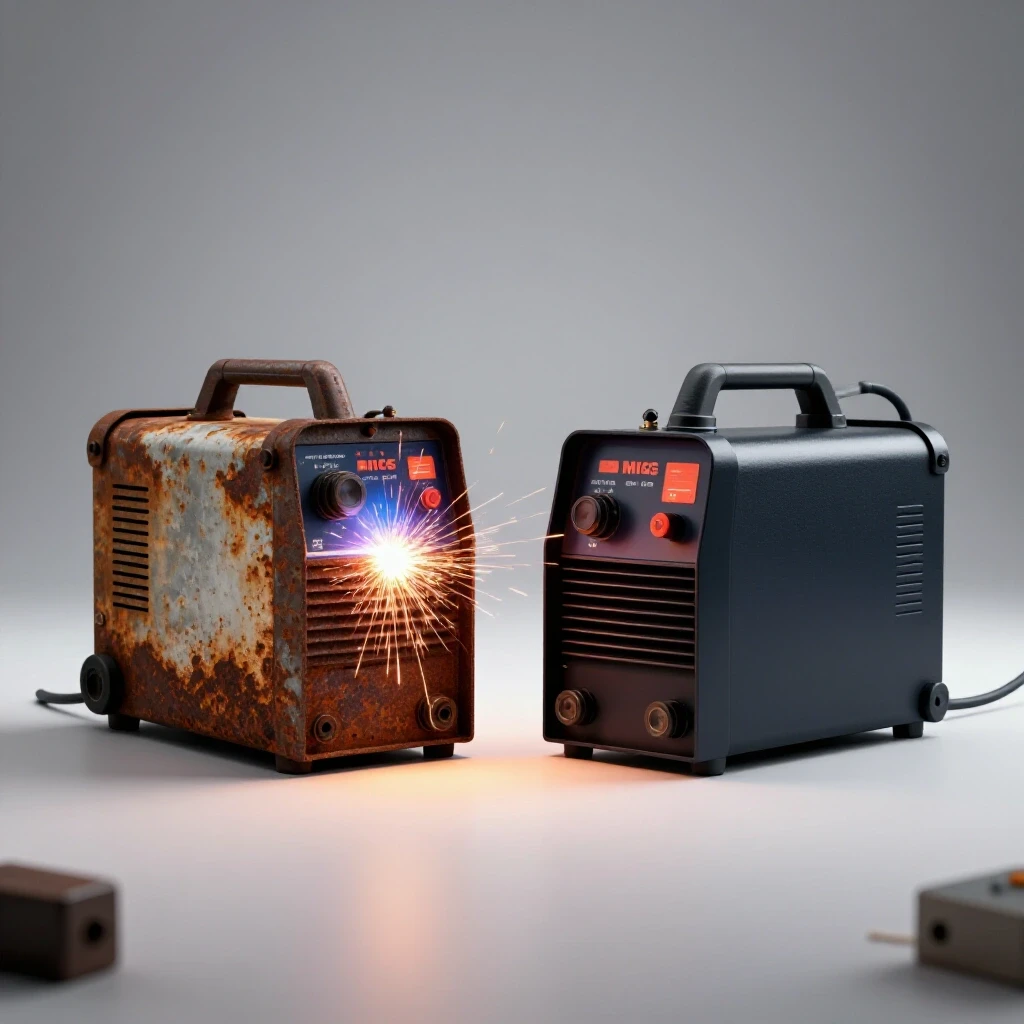
Modern welding power sources use inverter technology to convert input power into a stable high-frequency current, allowing for precise control over the heat of the arc. When working with materials that have residual zinc, the ability to fine-tune the voltage and wire feed speed is vital. A high-quality inverter allows the operator to maintain a stable arc even if small amounts of coating remain.
I often tell buyers to look at the duty cycle and the internal circuit board protection. Inverters are sensitive to the metallic dust common in shops that process galvanized steel. A machine with “wind tunnel” technology, where the cooling air is blown over the heat sinks but not the sensitive electronics, will last much longer. This is a mechanical design choice that separates the professional machines from the hobbyist gear.
The arc stability of a high-end inverter is also superior. When welding coated metals, you often encounter “popping” as the zinc vaporizes. A machine with a fast microprocessor can react to these changes in the arc in milliseconds, smoothing out the weld bead. This reduces spatter and keeps the heat localized, which minimizes the amount of coating that gets vaporized outside the immediate weld zone.
- Duty Cycle: Aim for 60% at your required amperage.
- Ingress Protection: Look for an IP23 rating or higher.
- Inductance Control: Helps manage the “fluidity” of the puddle.
- Weight: Modern inverters should be portable but have a rugged chassis.
Structural Rigidity and Design of Extraction Arms
The extraction arm is the mechanical link that positions the suction hood near the welding arc to capture vapors at the source. A well-designed arm uses a series of counterbalanced joints and friction brakes to stay in position without sagging. If the arm is flimsy, the operator will stop using it, leading to a breakdown in safety protocols.
I have repaired many extraction arms where the internal springs or external friction pads have failed. When evaluating this machinery, look for external joints. Internal joints (where the support structure is inside the duct) can restrict airflow and become clogged with sticky fumes. External joints are easier to maintain and allow for a smoother, more consistent airflow.
The diameter of the ducting also matters. A 6-inch diameter arm will move significantly more air with less friction than a 4-inch arm. This is basic fluid dynamics. If you are choosing workshop machinery for a busy shop, the larger diameter will always be more efficient at clearing the air during heavy fabrication on coated parts.
- Joint Style: External joints for better airflow and maintenance.
- Material: Flame-retardant flexible hose or solid aluminum tubing.
- Hood Design: A wide, flanged hood creates a larger “capture zone.”
- Mounting: Ensure the wall or ceiling mount can handle the leverage of the extended arm.
Filter Media and Airflow Metrics for Safe Operation
The filter is the consumable component of an extraction system that traps the microscopic particles found in welding fumes. For zinc-coated materials, a multi-stage filtration system is necessary to ensure that the air being returned to the shop is clean. This usually includes a pre-filter for large sparks and a HEPA-rated main filter for the fine particulates.
In my maintenance checks, I use a manometer to measure the pressure drop across the filters. This tells me exactly when a filter is “blinded” or clogged. If you are buying a system, look for one that includes a built-in pressure gauge. It takes the guesswork out of maintenance. Without it, you might be running a motor that is straining against a blocked filter, moving zero air while consuming maximum power.
The efficiency of the filter is usually measured by its MERV rating or HEPA classification. For the specific byproduct of heating galvanized steel, a HEPA filter is the gold standard. It can capture 99.97% of particles as small as 0.3 microns. This is the level of filtration needed to keep the workspace air quality within safe limits.
- Pre-filter: Captures 90% of large particles and sparks.
- Main Filter: HEPA or MERV 15+ for fine metal fumes.
- Filter Surface Area: Larger surface area equals longer life and lower static pressure.
- Replacement Cost: Always factor in the price of filters when comparing machine costs.
Mechanical Zinc Removal: Lathes vs. Hand Tools
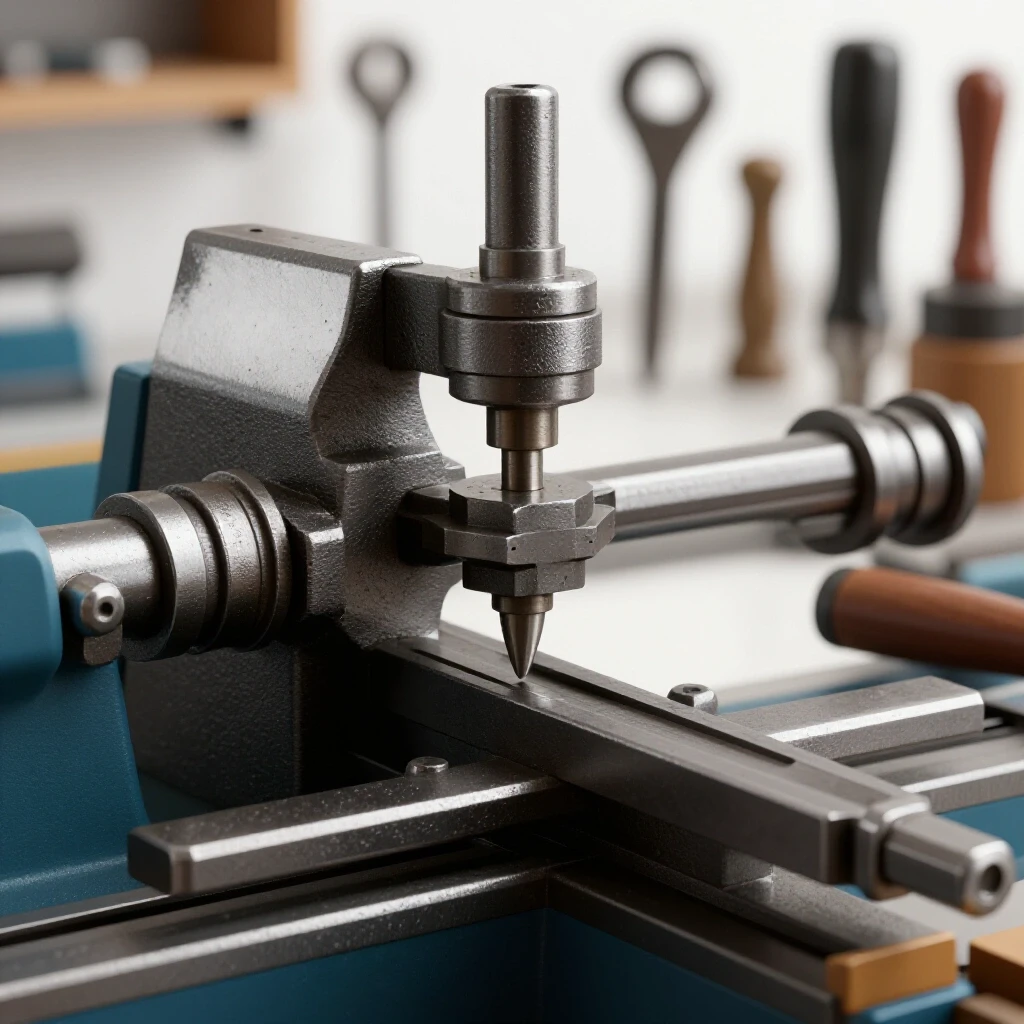
For high-precision structural joints, removing the coating mechanically using a metal lathe or a milling machine is often the most effective method. This ensures a clean, bare-metal surface with a consistent shoulder, which is critical for high-strength welds. A lathe allows you to strip the coating from the end of a pipe or rod with a level of accuracy that a hand grinder cannot match.
When I conduct metal lathe comparison guides, I look at the spindle runout and the rigidity of the tool post. If you are turning down the end of a galvanized pipe, you need a machine that won’t vibrate. Spindle runout of 0.0005 inches is a good benchmark for a quality shop lathe. The mass of the cast iron bed is also important; it dampens the vibrations caused by the interrupted cut of the coating.
Using a lathe for prep work is a “best practice” in high-end fabrication. It allows you to remove exactly the amount of material needed—usually about one to two inches back from the edge—without thinning the base metal excessively. This mechanical precision leads to better weld penetration and a much safer environment because there is zero zinc left to vaporize.
- Spindle Runout (TIR): Should be under 0.001 inches for clean stripping.
- Bed Material: Grade 20 or 30 cast iron for vibration dampening.
- Motor HP: At least 1.5 to 2 HP for consistent cutting speeds.
- Tooling: Use carbide inserts to handle the abrasive nature of the coating.
Assessing Respiratory Protection Hardware Quality
When mechanical extraction isn’t enough, personal respiratory protection becomes the final line of defense. A Powered Air Purifying Respirator (PAPR) is a mechanical system that uses a battery-powered blower to push filtered air into a helmet or hood. This creates a positive pressure environment that prevents contaminated air from entering the breathing zone.
I evaluate PAPR systems based on their blower motor reliability and the quality of the hose connections. A cheap PAPR will have a noisy motor and a thin, flimsy hose that kinks easily. Look for a unit with a brushless motor and a reinforced, crush-resistant hose. The battery life should also be tested; a professional unit should run for at least 8 to 12 hours on a single charge.
The fit and finish of the headgear are also important. A heavy, poorly balanced helmet will cause neck strain over a long workday. Look for adjustable headgear with multiple points of contact to distribute the weight. This is a mechanical ergonomics issue that directly affects how often the safety gear is actually used by the fabricator.
- Blower Airflow: Minimum of 170 liters per minute (LPM).
- Battery Type: Lithium-ion for consistent power and fast charging.
- Alarm Systems: Audible and visual alerts for low flow or low battery.
- Hose Durability: Look for swivel connectors to prevent tangling.
Workshop Layout and Airflow Dynamics
The physical arrangement of your workshop machinery plays a major role in how effectively you can manage fumes. Airflow is a mechanical system that can be optimized through proper placement of intake and exhaust points. If your welding station is in a dead-air corner, even the best extractor will struggle to clear the area.
I recommend a “cross-flow” ventilation setup. This involves placing a fresh air intake on one side of the shop and the exhaust or extraction system on the other. This creates a gentle “curtain” of moving air that carries fumes away from the operator. Avoid placing large machines like lathes or mills in a way that blocks this natural path of airflow.
Using a digital anemometer to measure air velocity at different points in the shop can help you identify stagnant zones. You want a minimum air velocity of 100 feet per minute (fpm) in the work area to ensure that fumes are being moved toward the extraction points. This data-driven approach is much more effective than simply guessing where the smoke is going.
- Intake Placement: Low and away from the welding zone.
- Exhaust Placement: High, as warm fumes naturally rise.
- Air Change Rate: Aim for 4 to 6 complete air changes per hour.
- Obstruction Check: Ensure no large machinery blocks the path to the extractor.
Maintenance and Calibration of Safety Machinery
Even the best machinery will fail if it isn’t maintained. For tools used in the processing of coated steels, maintenance intervals should be more frequent due to the abrasive and corrosive nature of the dust. This includes regular cleaning of the welding power source, checking the seals on respirators, and inspecting the fan blades on extractors.
I keep a detailed log for every major piece of equipment in my shop. For extractors, I record the static pressure readings every month. For welders, I blow out the internal heat sinks with dry compressed air every 40 hours of use. This prevents the buildup of metallic dust that can cause electrical tracking and board failure.
Calibration is also key. If your welding machine’s digital readout says 18.5 volts, you need to know that it is actually delivering that power. Using a calibrated multi-meter to verify the machine’s output ensures that you are staying within the heat parameters required for safe work on galvanized materials.
- Monthly: Inspect extractor filters and check for duct leaks.
- Quarterly: Deep clean welder internals and check cable connections.
- Bi-Annually: Calibrate motor speeds and verify voltage outputs.
- Annually: Replace respirator seals and test battery capacities.
Key Benchmarks for Selecting Workshop Equipment
When you are ready to invest in new machinery, use these benchmarks to ensure you are getting a tool that can handle the rigors of professional fabrication. These metrics are based on my years of teardowns and performance testing in industrial settings.
- Extraction Static Pressure: Minimum 4.0 inches of water gauge for effective fume capture.
- Grinder Spindle Runout: Maximum 0.001 inches to ensure smooth, safe stripping.
- Welder Duty Cycle: Minimum 60% at 200 Amps for structural work.
- Lathe Weight-to-Swing Ratio: A heavier machine (e.g., 1,000+ lbs for a 12×36) offers better dampening for prep work.
- Filter Efficiency: HEPA (99.97%) for returning air to the shop environment.
By focusing on these mechanical realities rather than brand names, you can build a workshop that is both productive and safe. Choosing the right tools for the job is the first step in mastering the complexities of working with galvanized steel.
Frequently Asked Questions
What is the best mechanical method for removing zinc coating? The most effective method is using a high-torque angle grinder with a dedicated stripping disc or a flap disc. For cylindrical parts, a metal lathe provides the highest precision and cleanest removal. The goal is to reach shiny, bare steel at least one inch back from the weld area.
How can I tell if my fume extractor is actually working? You can use a simple smoke pen or a piece of tissue paper to visualize the airflow at the hood. For a more technical assessment, use a manometer to check the static pressure; a significant drop indicates that the filters are clogged or the motor is failing.
Do I really need a HEPA filter for welding fumes? Yes, if you are recirculating the air back into your workshop. The particles generated by vaporizing zinc are extremely fine (often less than 1 micron). Standard shop-vac filters or furnace filters will not capture these particles, allowing them to remain in your breathing air.
Can I use a standard shop vacuum for fume extraction? No. Standard shop vacuums are high-velocity but low-volume. They lack the CFM (cubic feet per minute) needed to capture fumes from a distance. Additionally, the motors are usually not rated for continuous use and can be a fire hazard if they suck up hot sparks.
Why does my welding machine “pop” when working with galvanized steel? This is usually caused by residual zinc vaporizing in the heat of the arc. The gas expands rapidly, disrupting the shielding gas and causing spatter. Improving your mechanical stripping process and using a welder with better arc control (inductance) will minimize this.
Is an inverter welder better than a transformer welder for this work? Inverters are generally better because they offer more precise control over heat and arc stability. This allows you to weld at the lowest possible temperature that still ensures good penetration, which reduces the amount of zinc that is vaporized during the process.
How often should I replace the filters in my extraction system? This depends on your workload, but a good rule of thumb is to replace them when the static pressure increases by 50% over the “clean” reading. Most professional systems have a gauge or an indicator light to tell you when the airflow has dropped below a safe level.
What should I look for in a grinder’s motor design? Look for a motor with high-quality copper windings and a robust cooling fan. Brushless motors are ideal for shop environments because they don’t have brushes that can be damaged by metallic dust. A “soft start” feature is also helpful as it reduces the mechanical shock on the gears.
Does the thickness of the galvanized coating matter? Yes. Hot-dipped galvanizing is much thicker than electro-galvanized coatings. Thicker coatings require more aggressive mechanical removal and better ventilation. Always inspect your material to determine which stripping method and extraction level are appropriate.
What is the most common mistake when buying workshop machinery for this work? The most common mistake is underestimating the power needed for extraction and prep. People often buy the smallest, cheapest extractor or grinder available, only to find that it doesn’t have the mechanical capacity to handle the job safely or effectively. Always buy for your maximum expected workload.
(This article was written by one of our staff writers, Steven Brooks. Visit our Meet the Team page to learn more about the author and their expertise.)