Is a CNC Plasma Cutter Profitable for Home Shops? (Analysis)
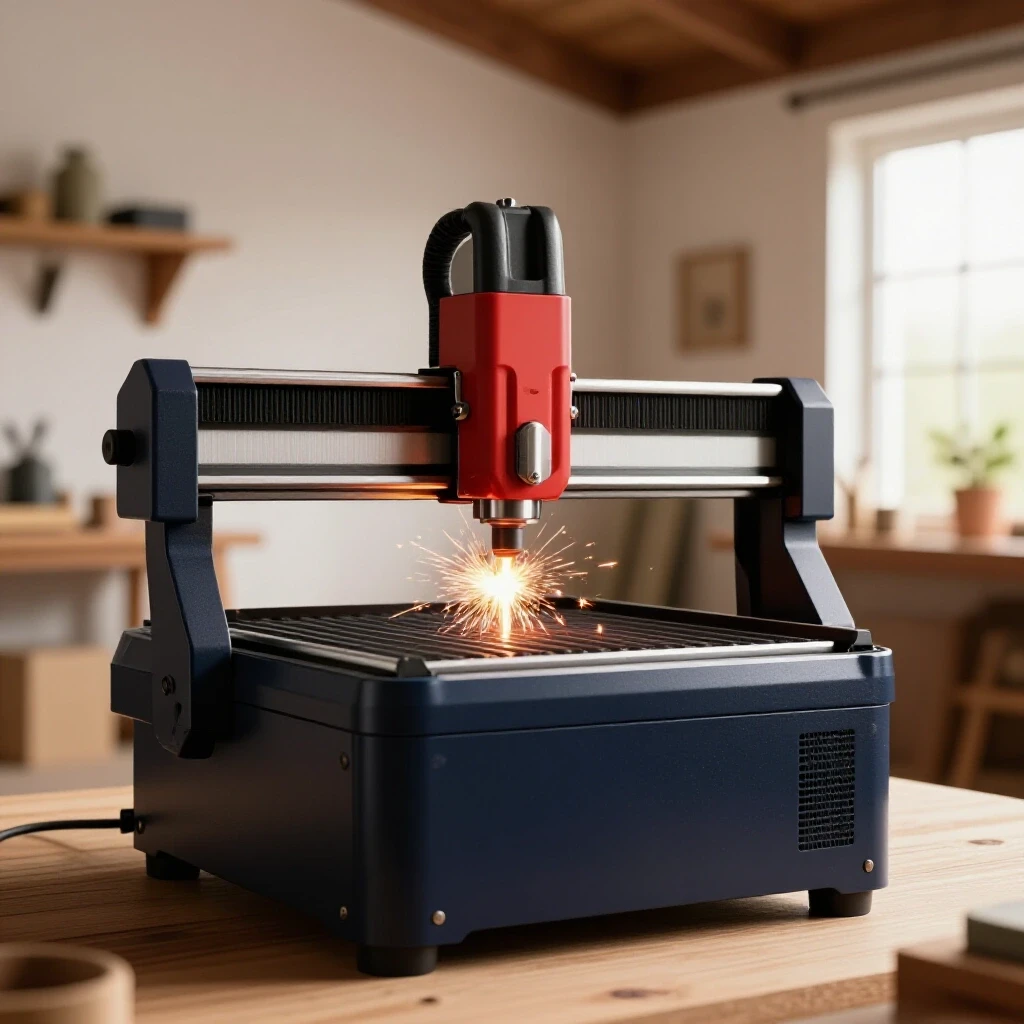
The first time I stood in my garage looking at a brand-new CNC plasma table, I felt a mix of excitement and a very specific kind of dread. I had…
Running a metalworking shop, whether as a dedicated hobby, a side hustle, or a small business, requires careful financial management. The Cost, Budget & ROI Studies category is tailored for hobbyists, side-hustlers, and small shop owners who need to balance their passion for metalworking with economic reality. Here, we analyze the financial side of fabrication, helping you understand where to invest your capital and how to get the most value out of your shop operations.
Our articles dive into the practical math behind shop decisions. We explore topics such as calculating the cost per hour of running specific machinery, estimating material expenses, and determining when to outsource certain tasks (like CNC cutting or powder coating) versus doing them in-house. We also look closely at Return on Investment (ROI) for tool upgrades, analyzing whether a more expensive welder, band saw, or plasma cutter will pay for itself in saved time, reduced material waste, or increased capability.
Additionally, we provide advice for those looking to monetize their skills. You will find guides on pricing your custom fabrication work, managing consumable costs, and optimizing shop utility consumption. By looking at the workshop through a financial lens, this category aims to help you make sensible, business-minded decisions that keep your shop sustainable and profitable over the long run.
The first time I stood in my garage looking at a brand-new CNC plasma table, I felt a mix of excitement and a very specific kind of dread. I had…
When I first moved my fabrication business from a two-car garage into a 3,000-square-foot commercial space, the transition felt like a financial tightrope walk. I was finally landing larger structural…
The transition from a hobbyist welder to a professional fabricator often happens in the quiet hours after a day job. I remember standing in my first small shop, looking at…
When I first moved my fabrication gear from a corner of my garage into a dedicated commercial space, I thought I knew my numbers. I had been building custom steel…
Starting a side business in metalworking often begins with a simple request from a friend or a neighbor. They need a trailer frame reinforced or a custom bracket for a…
The transition from a hobbyist metalworker to a professional fabricator usually happens the moment you accept money for a project. For many years, I worked in a shop where I…
I remember the first time I built a pair of heavy steel entrance wings for a local farm. I was three years into my side-hustle, feeling confident with my MIG…
When a neighbor pulls into your driveway with a cracked piece of heavy equipment, the first instinct for many of us is to help. We see a structural failure in…
I spent my early years in manufacturing thinking that if I had money in the bank at the end of the month, I was doing fine. It took a few…
Transitioning from a hobbyist to a professional fabricator is a significant step that involves more than just improving your bead quality. In my 16 years of metalworking, I have seen…