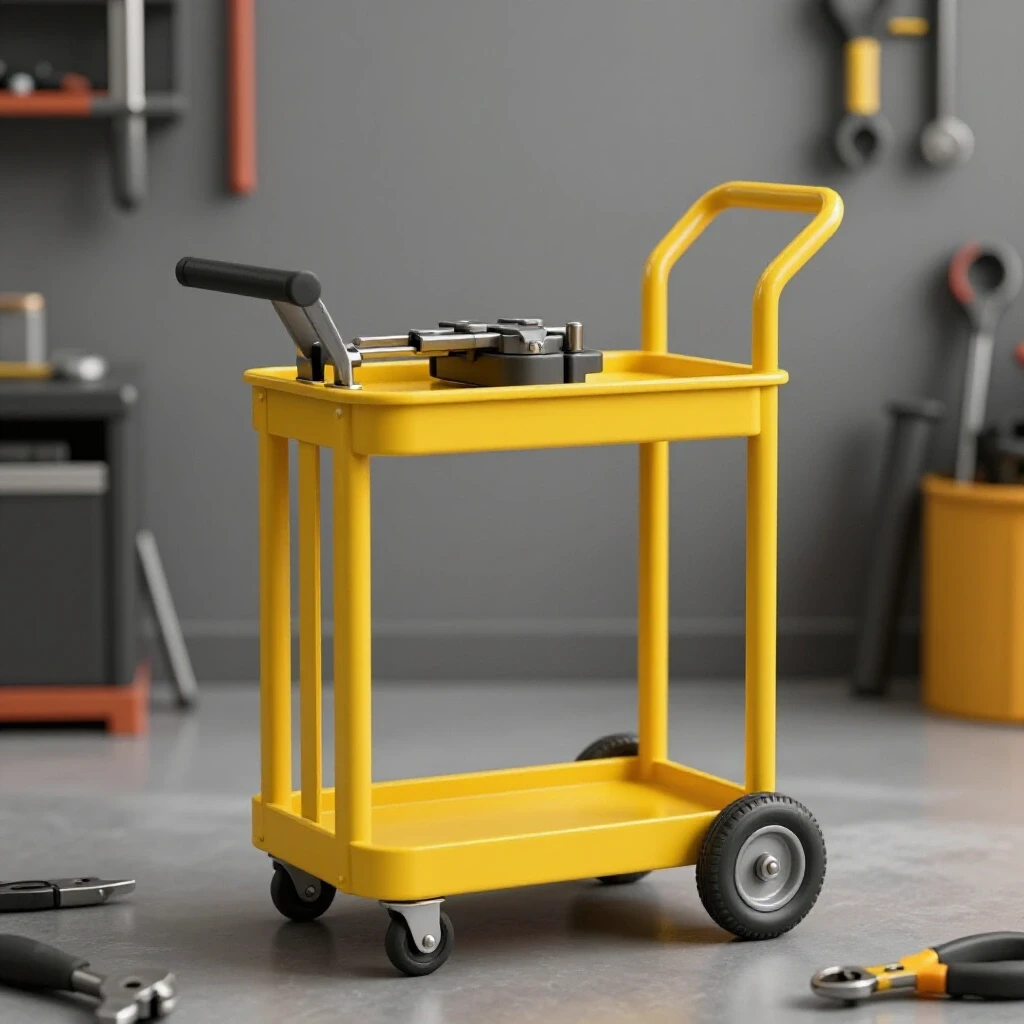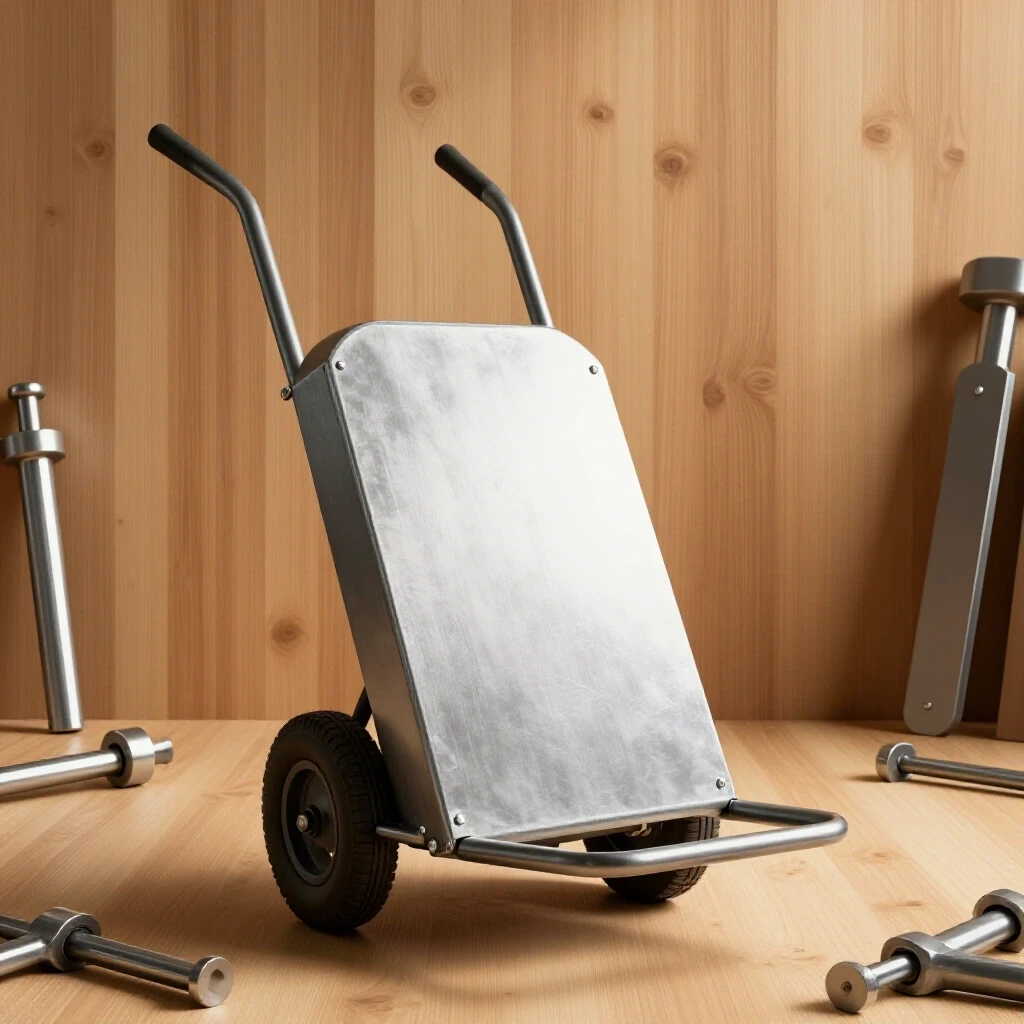
How to Build a Heavy-Duty Steel Hand Truck Dolly (DIY Plan)
I have spent the better part of two decades wrestling with the “dead weight” of industrial history. When you find a 1940s cast-iron lathe buried in the back of a…

There is a unique value in vintage machinery and classic workshop tools, which were often built to standards of durability rarely seen today. Restoration & Rescue Projects is dedicated to vintage tool enthusiasts, machinery restorers, and anyone who appreciates reviving older equipment. This category documents the process of taking rusted, neglected, or broken tools and restoring them to reliable, working order.
Our restoration articles cover a wide array of practical techniques. We discuss safe rust removal methods (including electrolysis and chemical baths), sourcing or fabricating obsolete replacement parts, rebuilding electric motors, and replacing worn bearings. We also explore more advanced topics, such as aligning vintage lathe ways, scraping precision surfaces, and rewiring classic machine controls to meet modern safety standards.
Beyond the technical steps, we discuss the history and design philosophies of classic tool manufacturers. Each project serves as a practical guide for those who want to rescue older drill presses, band saws, vises, or lathes from scrap heaps and return them to service. These articles combine historical appreciation with practical, hands-on mechanical skills to help you preserve and utilize high-quality vintage tools in your modern shop.
I have spent the better part of two decades wrestling with the “dead weight” of industrial history. When you find a 1940s cast-iron lathe buried in the back of a…
When you spend your weekends reviving a 1942 South Bend lathe or a massive Buffalo Forge drill press, you quickly realize that floor space is your most precious resource. My…
During my eighteen years spent hunched over rusted cast iron and seized gears, I have learned that the most valuable tools in a workshop are often the ones you build…
There is a specific scent that defines a machine rescue: a mixture of rancid lard oil, pulverized rust, and the damp, metallic tang of old cast iron. After 18 years…
I still remember the first time I stood over a 1920s South Bend lathe that had spent three decades in a damp basement. It wasn’t just a machine; it was…
In my 18 years of restoring pre-war lathes and heavy-duty drill presses, I have learned that the most frustrating part of a machine rescue isn’t the seized spindle or the…
Restoring a 1940s lathe or a pre-war drill press is rarely about the destination. It is about the hundreds of hours spent coaxing seized pulleys off shafts and scrubbing away…
The smell of old, oxidized grease and the sight of a heavy, cast-iron abrasive saw sitting in the corner of a scrap yard often signal the start of a rewarding…
The first time I hauled a rusted, pre-war abrasive belt machine into my shop, I spent three days just staring at the seized tracking mechanism. It was a heavy, cast-iron…
The first time I hauled a 1940s-era lathe into my shop, it was more of a monument to neglect than a precision tool. The cast iron was hidden under layers…