How to Calculate Custom Fabrication Shop Labor Rates (Guide)
When I first transitioned from a manual shop to an automated one, I made a classic mistake. I assumed that because my CNC plasma table could cut parts faster than I could by hand, my profit would naturally skyrocket. I quickly learned that while the machine was fast, the hidden costs of electricity, air filtration, and machine depreciation were eating my margins alive. To survive as a professional fabricator, you have to stop thinking like a hobbyist and start thinking like a manufacturing engineer who understands the true cost of every minute spent on the shop floor.
Scaling a fabrication business requires a shift in mindset where you treat your workshop as a high-output system. It is not just about how well you can weld or cut; it is about how much it costs you to keep the lights on and the gantry moving. When you integrate advanced technology like 3-phase power and automated cutting systems, your financial math must evolve. You are no longer just selling your time; you are selling the capacity of a complex, energy-hungry environment.
Analyzing the Financial Burden of Shop Infrastructure
This section examines how fixed costs like shop space, utilities, and insurance impact your hourly requirements. By understanding the total cost of maintaining your advanced workshop layout, you can ensure that every square foot of your floor space contributes to the overall financial health of your fabrication business.
Your shop footprint is the foundation of your pricing. Every square foot of your advanced workshop layout has a monthly cost, whether you own the building or rent it. To find your base shop rate, you must add up your annual rent or mortgage, property taxes, and shop insurance. If you are working out of a 1,500-square-foot shop and your total building costs are $18,000 a year, each square foot costs you $12 annually.
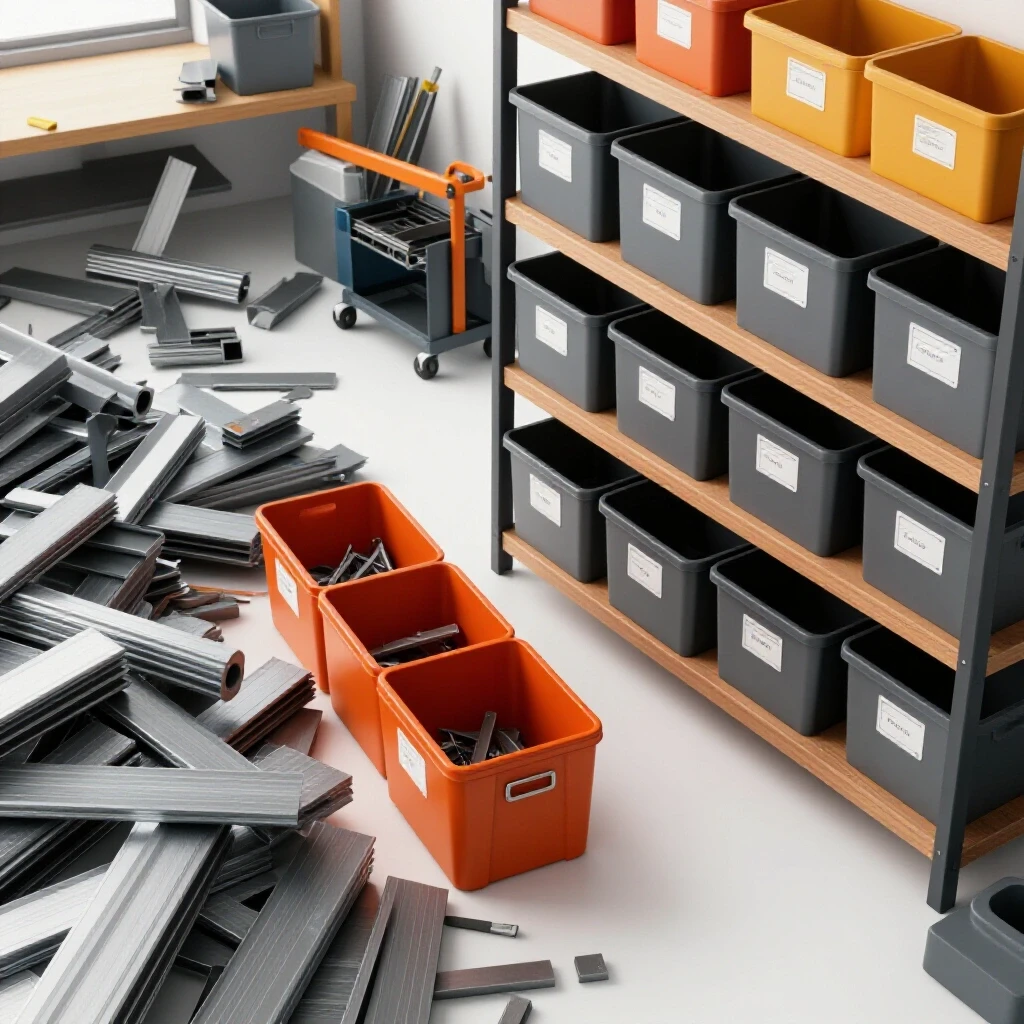
Interestingly, many fabricators ignore the cost of “dead space.” If your material-flow loops are inefficient, you are paying for space that does not generate revenue. For example, if your raw steel rack is 50 feet away from your CNC plasma table setup, the time spent moving material is a “hidden tax” on your labor. I recommend mapping your material travel paths to minimize this waste. A linear flow—where material enters one door, moves to the saw, then to the CNC table, and finally to the welding station—reduces the non-productive time you have to bake into your hourly charges.
- Fixed Cost Checklist:
- Monthly lease or mortgage payments.
- Annual shop insurance premiums.
- Property taxes and maintenance fees.
- Security system monitoring and internet.
Factoring Equipment Depreciation into Production Hours
Machine depreciation is the process of allocating the cost of a tool over its useful life. This ensures that when your CNC plasma table or press brake eventually wears out, you have already collected enough revenue from its operation to pay for its replacement without taking on new debt.
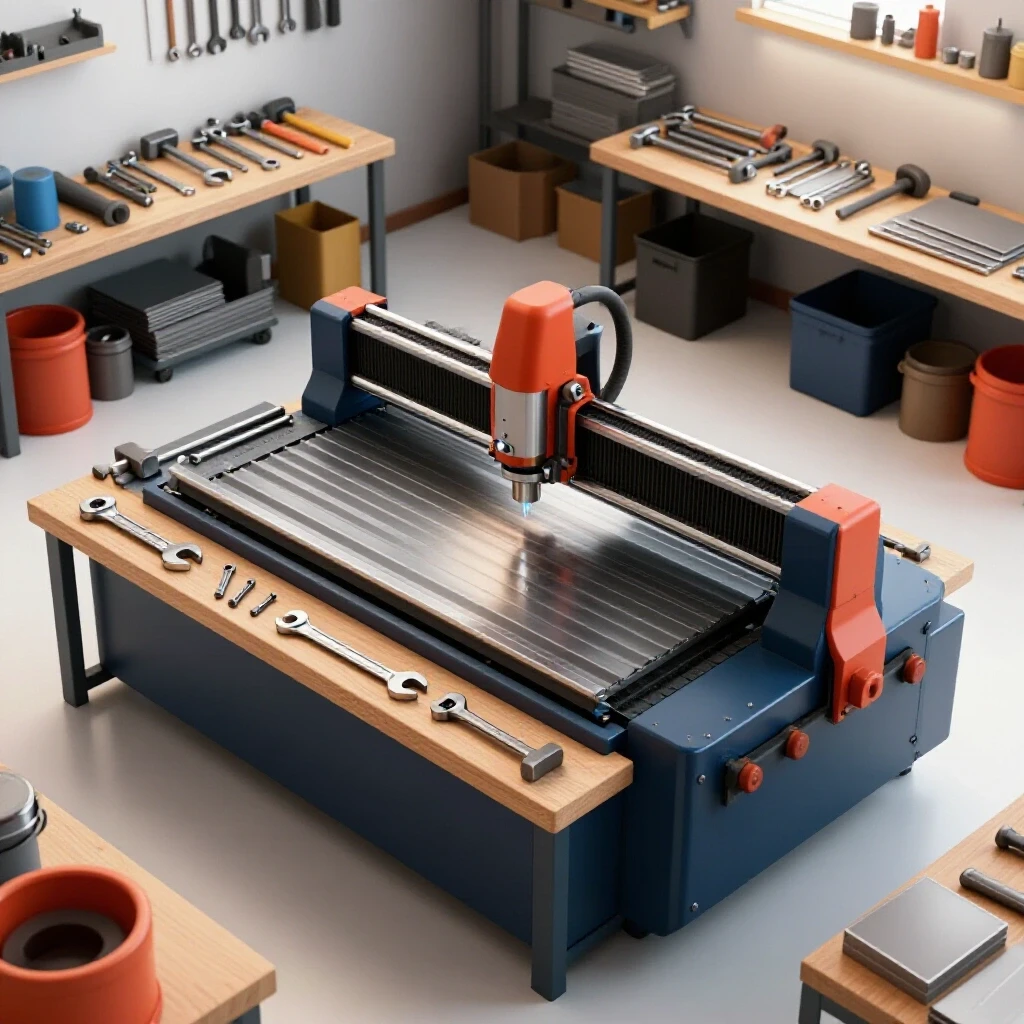
When I bought my first high-definition plasma system, I had to realize that the machine was “consuming” itself with every arc-on hour. To calculate this, take the total cost of the machine (including shipping and installation) and divide it by its expected lifespan in hours. If a $30,000 CNC table lasts 10,000 hours, it costs you $3.00 per hour just to have it sitting there. This is a critical component of determining how much to charge for machine time versus manual bench work.
I use a simple amortization timeline for all major equipment. For a professional-grade CNC gantry, five to seven years is a realistic window. Beyond that, the technology is often outdated or the mechanical wear requires a total rebuild. By including this “replacement fund” in your shop math, you protect your business from the shock of equipment failure. It turns a surprise expense into a planned upgrade.
| Equipment Type | Estimated Cost | Lifespan (Hours) | Hourly Depreciation |
|---|---|---|---|
| CNC Plasma Table | $25,000 | 8,000 | $3.13 |
| 3-Phase Press Brake | $15,000 | 12,000 | $1.25 |
| Industrial TIG Welder | $6,000 | 6,000 | $1.00 |
| Rotary Phase Converter | $2,500 | 15,000 | $0.17 |
Calculating the Real Cost of Power and Air Delivery
This section breaks down the operational expenses of running high-draw machinery and industrial ventilation systems. We will look at how a 3-phase power converter and a high-volume dust collection duct design add to your utility bills, requiring a precise adjustment to your hourly shop figures.
Running a professional shop requires a massive amount of energy compared to a hobbyist garage. When you scale up, you often face electrical supply limitations. If you do not have native 3-phase power, you likely use a rotary phase converter or a digital inverter. These devices are not 100% efficient; they lose energy as heat, which adds to your overhead. I have found that a rotary converter can add 10% to 15% to the power cost of the machines it serves.
Air quality management is another major expense that is often overlooked. A high-volume clean air filtration system or a multi-stage cyclone dust collector requires a motor that pulls significant amperage. If you are running a 5 HP dust collector at 1,500 CFM, that motor is adding to your hourly operational cost every second it is on. You must calculate the kilowatt-hour (kWh) usage of your entire system—compressors, dryers, and extractors—to know exactly what it costs to pull the trigger on a torch.
- Utility Cost Factors:
- Average kWh rate from your local utility provider.
- Efficiency loss of 3-phase power converters (typically 5-15%).
- Compressed air costs (electricity + filter maintenance).
- Heating and cooling for the shop environment.
Tracking Consumable Burn Rates in Automated Workflows
Consumables are the parts of your machinery that are destroyed during the fabrication process, such as plasma nozzles, shielding gas, and abrasive discs. Tracking these burn rates allows you to move beyond guessing and start charging based on the actual wear and tear of each project.
In a CNC plasma table setup, the cost of nozzles, electrodes, and swirl rings can vary wildly based on the material thickness and cut quality. I once tracked a high-volume job where we were cutting 1/2-inch plate all day. Because I didn’t account for the increased wear on the electrodes compared to thin sheet metal, I lost nearly $200 in profit over two days. Now, I use a “consumable multiplier” for different material types.
Don’t forget the “invisible” consumables like shielding gas for TIG welding or the water treatment chemicals for a plasma water table. These costs are small per minute but massive over a month of production. Building a tracking log where you record how many pierces a nozzle lasts or how many bottles of Argon you use per project is essential for refining your shop math.
- Log your pierces: Record how many starts a plasma electrode survives before cut quality drops.
- Measure gas flow: Use a flow meter to determine exactly how many cubic feet of gas are used per hour of welding.
- Track abrasives: Count how many grinding discs are used per foot of weld dressing.
- Monitor slats: Calculate the replacement cost of CNC table slats every six months.
Why Back-and-Forth Foot Traffic Kills Shop Throughput
This section explores how workshop layout and material handling paths directly influence the amount of labor time required for a job. By optimizing your floor space, you can lower your effective labor rate while increasing your total daily output and profit margins.
If your shop layout forces you to walk across the room every time you need a tool, you are wasting billable time. In manufacturing operations, we call this “motion waste.” In my shop, I redesigned the layout to follow a “U-shaped” flow. Raw materials come in at the top of the U, move through the CNC and welding cells, and finished products exit at the other side of the U. This change alone reduced my manual labor time by nearly 20% on repetitive jobs.
When calculating your rates, you must account for this “setup and handling” time. If a job takes two hours of machine time but four hours of moving metal around a cramped shop, your machine rate isn’t the problem—your layout is. I recommend maintaining 3-foot minimum access zones around all machinery to ensure you can move material safely and quickly without shuffling other projects out of the way.
Applying Skill Multipliers to Advanced Fabrication Tasks
Skill-based multipliers allow you to charge more for work that requires specialized knowledge or high-precision equipment. This ensures that your most difficult tasks, like complex CAD/CAM integration or exotic alloy welding, are priced according to the expertise they require.
Not all shop hours are created equal. Standing at a belt sander is a different skill level than configuring complex tooling files for a 4-axis CNC mill. I use a tiered system for my labor. Basic prep and assembly are billed at a base rate, while CAD design, CNC programming, and specialized welding carry a multiplier. This reflects the years of experience and the high learning curve of automation.
For example, if your base shop rate is $75 per hour, you might apply a 1.5x multiplier for TIG welding stainless steel food-grade equipment. This accounts for the specialized gas, the higher precision required, and the risk of ruining expensive material. It also covers the time you spent learning the software and hardware integrations that make such high-level work possible.
- Tier 1: Base Labor: Material handling, basic grinding, and shop cleanup.
- Tier 2: Standard Fabrication: MIG welding, manual drilling, and basic assembly.
- Tier 3: Advanced Technical: CNC programming, CAD design, and precision TIG welding.
- Tier 4: Specialty Services: Prototype engineering and exotic material handling.
Establishing a Formula for Shop Floor Sustainability
This section provides a structured way to combine overhead, depreciation, utilities, and labor into a single, workable hourly rate. Having a clear formula prevents emotional pricing and ensures that your fabrication shop remains profitable even as costs fluctuate.
To create your final rate, start with your total monthly overhead (rent, insurance, utilities). Divide that by the number of billable hours you realistically work in a month. If your overhead is $3,000 and you bill 120 hours, your “burden” is $25 per hour. Then, add your desired hourly wage (e.g., $40/hr) and your machine depreciation ($5/hr). Your base rate is now $70 per hour.
Building on this, you must add a profit margin—usually 10% to 20%—to allow for business growth and unexpected repairs. Without this margin, you are just paying yourself a wage, not building a business. A healthy shop math framework allows you to see exactly where your money is going. If you find your utility bills spiking because of a leak in your compressed air lines, you will see it immediately in your monthly totals.
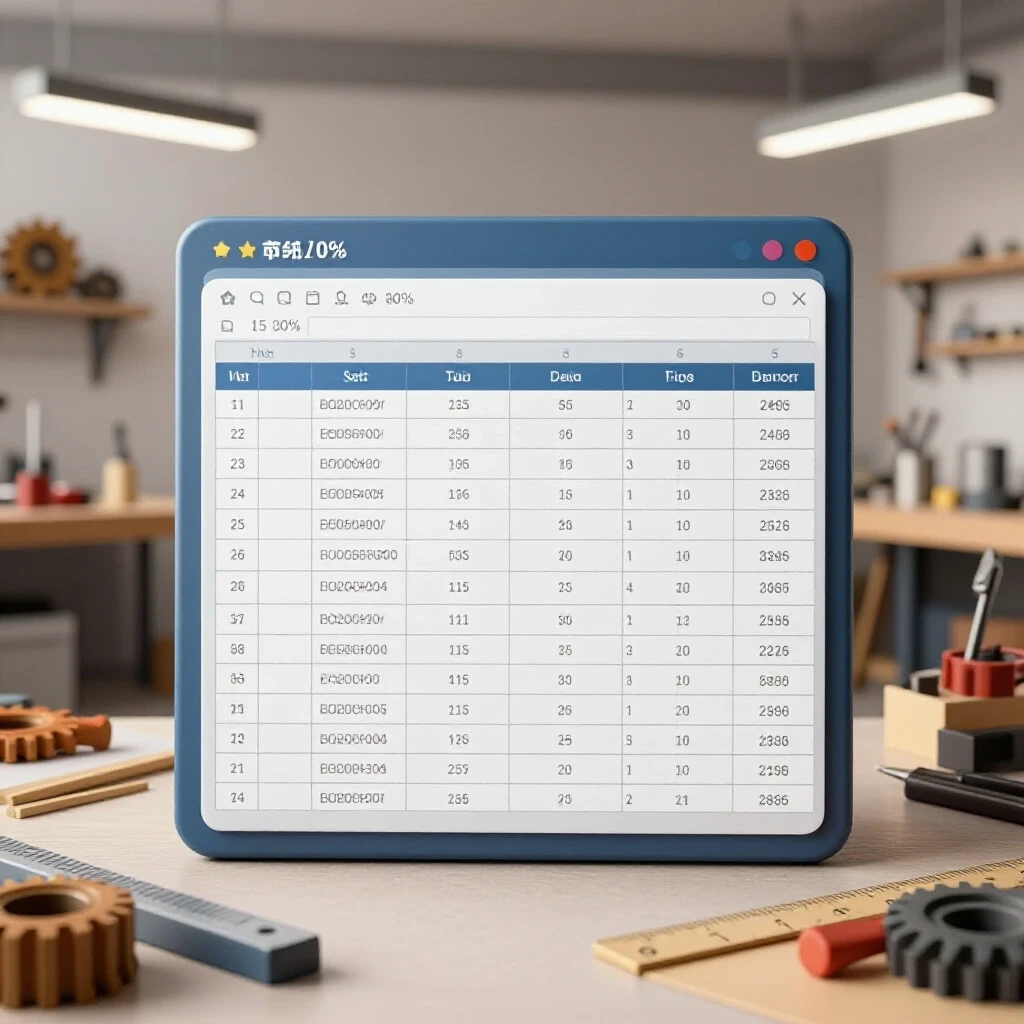
| Component | Calculation Method | Example Value |
|---|---|---|
| Shop Burden | Total Monthly Overhead / Billable Hours | $28.00/hr |
| Labor Wage | Your target take-home pay per hour | $45.00/hr |
| Machine Fund | Total Equipment Depreciation | $6.50/hr |
| Consumable Buffer | Average cost of gas/nozzles per hour | $4.00/hr |
| Total Base Rate | Sum of all above components | $83.50/hr |
Implementing a Workflow Optimization Strategy
Once you have your numbers, the next step is to refine the workflow to make those hours as productive as possible. This involves leveling CNC plasma lines, optimizing dust collection duct design, and ensuring your 3-phase power delivery is balanced. Every small improvement in efficiency makes your calculated rate more competitive.
I recommend performing a “shop audit” every six months. Check your air velocity in ducts to ensure your filtration is still pulling 1,000–2,000 CFM at the source. Test your electrical phase balances on your rotary converter; if the voltages are too far apart, your motors will run hot and fail prematurely. These technical checks protect the investments you have made and keep your operational costs predictable.
Finally, embrace the software side of the business. Modern CAD/CAM integrations can help you nest parts more efficiently, saving material waste. When you save 5% on every sheet of steel, that goes directly to your bottom line. Transitioning from a hobby setup to a professional operation is a journey of a thousand small adjustments, all aimed at making your shop a more efficient, profitable environment.
- Next Steps for Shop Growth:
- Calculate your total monthly overhead today.
- Track every consumable used for one full week.
- Measure the “spindle time” or “arc-on time” of your CNC equipment.
- Identify the biggest bottleneck in your current floor layout.
- Adjust your hourly rate to reflect these real-world data points.
FAQ: Frequently Asked Questions
What is the difference between a shop rate and a labor rate? A labor rate is typically what you pay an individual for their time. A shop rate is a comprehensive figure that includes that labor, plus the “burden” of the building, utilities, equipment depreciation, and profit. For an advanced shop, the shop rate is the only number that ensures long-term survival.
How do I account for the cost of my 3-phase power converter? You should treat the converter as both a capital expense and an operational cost. The purchase price is depreciated over 10-15 years. The operational cost is the “idling” power it consumes plus the efficiency loss (usually 10%) it imposes on the machines it powers.
Why should I charge for machine depreciation if the tool is already paid for? If you don’t charge for depreciation, you won’t have the cash on hand to buy a new machine when the current one breaks. Charging for depreciation ensures your business can self-fund its own equipment upgrades without needing outside loans.
How does shop layout affect my hourly costs? A poor layout increases “non-value-added time.” If you spend 15 minutes moving a pallet just to get to your welder, that is 15 minutes you cannot bill to a customer. A lean layout minimizes this travel, allowing you to get more work done in the same amount of time.
What is a realistic CFM for a fabrication shop dust collector? For most CNC plasma or grinding stations, you want between 1,000 and 2,000 CFM at the hood. Maintaining high air velocity in your ducts (around 3,500 to 4,000 feet per minute) prevents dust from settling in the pipes and keeps the air clean, which reduces shop cleanup time.
How do I factor in the “learning curve” for new CNC software? The time spent learning software should be considered an R&D (Research and Development) expense. While you shouldn’t bill a single customer for your entire learning period, you should slightly increase your “Advanced Technical” tier rate to recover that training time over a year of projects.
Should I include the cost of compressed air in my machine rate? Yes. Compressed air is a major utility cost. Between the electricity to run the compressor, the maintenance of the refrigerated dryer, and the replacement of inline filters, air can cost several dollars per hour of continuous use.
How often should I update my shop math and rates? I recommend a full review every six months or whenever you make a major change, such as adding a new CNC table or moving to a larger space. Material and utility costs can fluctuate, and your rates need to keep pace to maintain your margins.
(This article was written by one of our staff writers, Edward Sinclair. Visit our Meet the Team page to learn more about the author and their expertise.)