Preventative Maintenance Guide for Home CNC Machines (Guide)
I remember the first time I sat down to calculate why my side-hustle metalworking business was barely breaking even. I had a garage-scale CNC machine humming away, a steady stream of small parts orders, and I was charging what I thought was a fair price. But at the end of the month, after paying for electricity, material, and fresh end mills, there was almost nothing left for my time. I realized then that I wasn’t just a fabricator; I was a machine owner who didn’t understand the real cost of ownership. Over 16 years in the manufacturing sector, I have learned that the difference between a profitable shop and a failing one often comes down to how you treat your equipment before it breaks.
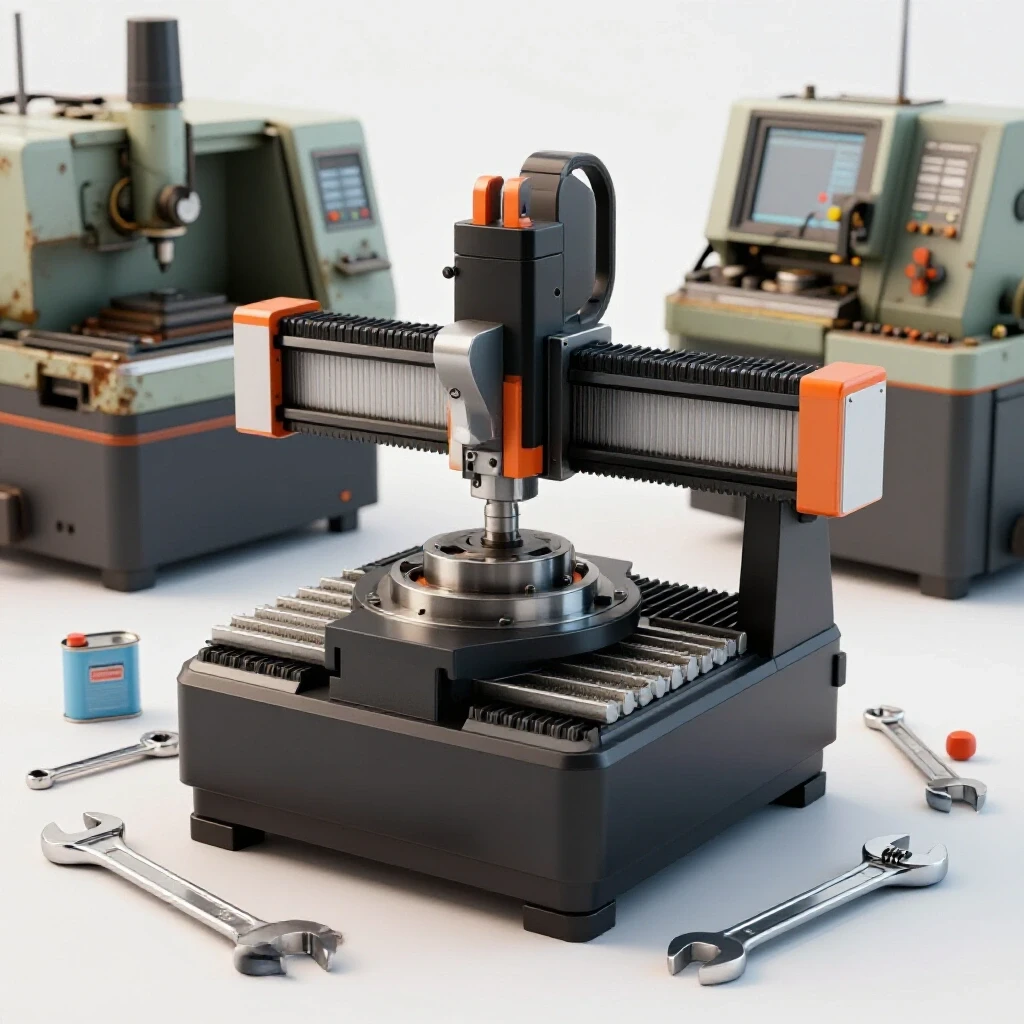
Transitioning from a hobbyist to a professional means your machine is no longer a toy; it is a capital asset. If that asset loses its accuracy or sits idle because of a skipped oiling schedule, your hourly rate plummets. Many small shop owners struggle with pricing because they don’t factor in the slow “bleeding” of value that happens when a machine isn’t maintained. To build a sustainable business, you have to treat routine upkeep as a non-negotiable part of your fabrication job costing.
Why Neglecting Routine Machine Care Destroys Your Hourly Shop Rate
Routine upkeep is the scheduled process of cleaning, lubricating, and checking a machine’s physical state. It ensures that the hourly rate you charge covers the machine’s actual lifespan rather than just the electricity it uses. When you skip these steps, you are essentially borrowing money from your future self at a very high interest rate.
In my experience, most side-hustlers set their shop rate by looking at what others charge, often landing between $65 and $120 per hour. However, if your machine is poorly maintained, it may take 20% longer to finish a part due to vibration or loss of precision. That effectively drops your $80/hour rate down to $64/hour. Furthermore, a machine that should last 10 years might only last five if the ways are allowed to grind with metal dust. This doubles your hourly depreciation cost, further eating into your take-home pay.
- Downtime is a hidden killer: A machine that is down for a day during a busy week can cost you $500 to $1,000 in lost revenue.
- Precision equals profit: Parts that are out of tolerance must be scrapped, and material waste is one of the fastest ways to lose money in small metal shop pricing.
- Resale value: A well-documented maintenance log adds significant value if you ever decide to upgrade and sell your current equipment.
Amortizing Your Equipment and Factoring in Maintenance Reserves
Amortization is the process of spreading the cost of an asset over its useful life. A maintenance reserve is a small percentage of every job set aside to pay for future wear items like belts, filters, and lubricants. Understanding these numbers is the first step in creating a metal business ROI calculator that actually works.
When I consult with new shop owners, I tell them to look at their machine as a pile of cash that is slowly shrinking every hour it runs. If you bought a machine for $10,000 and expect it to run for 5,000 hours before needing a major overhaul, your “machine cost” is $2.00 per hour. But that doesn’t include the small things. You need to add a “maintenance burden” to every quote to cover the oils, rags, and filters you use daily.
| Cost Category | Estimated Annual Cost | Hourly Impact (500 hrs/yr) |
|---|---|---|
| Machine Depreciation | $2,000 | $4.00 |
| Lubricants & Fluids | $150 | $0.30 |
| Filters & Wear Parts | $300 | $0.60 |
| Precision Tools (Calibrations) | $100 | $0.20 |
| Total Equipment Burden | $2,550 | $5.10 |
Building this $5.10 into your hourly rate ensures that when you need to buy a new set of drive belts or a gallon of way oil, the money is already in the bank. This prevents the “financial shock” that often kills small businesses when a routine expense pops up.
How Mechanical Alignment Verification Protects Your Fabrication Job Costing
Alignment verification involves using precision tools to ensure the machine moves exactly as intended. Keeping a machine square prevents wasted material and “re-dos” that eat into your profit margins. In the world of side-hustle metalworking, your reputation is built on the accuracy of your parts.
I once worked with a fabricator who couldn’t figure out why his circular pockets were coming out slightly oval. He was losing two hours of labor on every job trying to “sand” the parts into fit. After we spent 30 minutes checking the mechanical alignment and tightening the gantry, the problem vanished. That 30 minutes of upkeep saved him hundreds of dollars in labor over the following month.
- Check for “Square”: Periodically run a large squareness test on a scrap piece of material.
- Verify Lead Screws: Use a dial indicator to ensure that a commanded move of one inch is actually one inch.
- Tighten Fasteners: Small machines vibrate, and vibration loosens bolts. A loose bolt on a motor mount can ruin a $200 piece of billet aluminum in seconds.
By performing these checks monthly, you ensure your side-hustle remains efficient. You won’t have to guess if the machine will hold tolerance; you will know it will. This confidence allows you to bid on tighter-tolerance work that usually pays a higher hourly rate.
Tracking Consumable Usage and Coolant Management for Better Bidding
Consumables include everything the machine uses up, from cutting fluids to filters. Proper management prevents unexpected expenses and ensures your material markup accurately reflects the true cost of production. Many beginners forget to track these, leading to inaccurate job estimates.
Coolant is a prime example. In a small shop, a sump of coolant can last a long time, but it requires regular attention. If the concentration gets too low, your tools will wear out faster. If it gets too high, you are wasting expensive concentrate. I recommend keeping a simple log next to the machine to track when you add water or oil.
- Monitor Concentration: Use a refractometer to check your coolant weekly. This extends tool life and prevents rust on your machine.
- Filter Replacement: Clogged filters put strain on pumps. A pump replacement is much more expensive than a $15 filter.
- Way Oil Usage: If your machine has an automatic oiler, track how fast it empties. A sudden change could mean a blocked line or a leak.
When you are calculating shop rates, don’t just guess your consumable cost. Look at your logs. If you spent $500 on fluids and filters last year and ran the machine for 500 hours, your consumable burden is $1.00 per hour. Add this to your material markup to ensure every job is paying for its own “mess.”
Establishing Lubrication Intervals to Extend Machine ROI
Lubrication is the application of oils or greases to moving parts to reduce friction. Wear-part inspections are regular checks of items like belts or wipers that naturally degrade over time. These are the most basic tasks, yet they are the most frequently ignored by busy side-hustlers.
I have seen $20,000 machines turned into scrap because the owner “didn’t have time” to grease the linear rails. In a small shop, where you might be balancing a full-time job and family, it is easy to forget. I suggest tying your maintenance to your billing cycle. When you send an invoice, check your grease points.
- Daily: Wipe down the ways and apply a thin coat of oil to prevent rust, especially in humid garage environments.
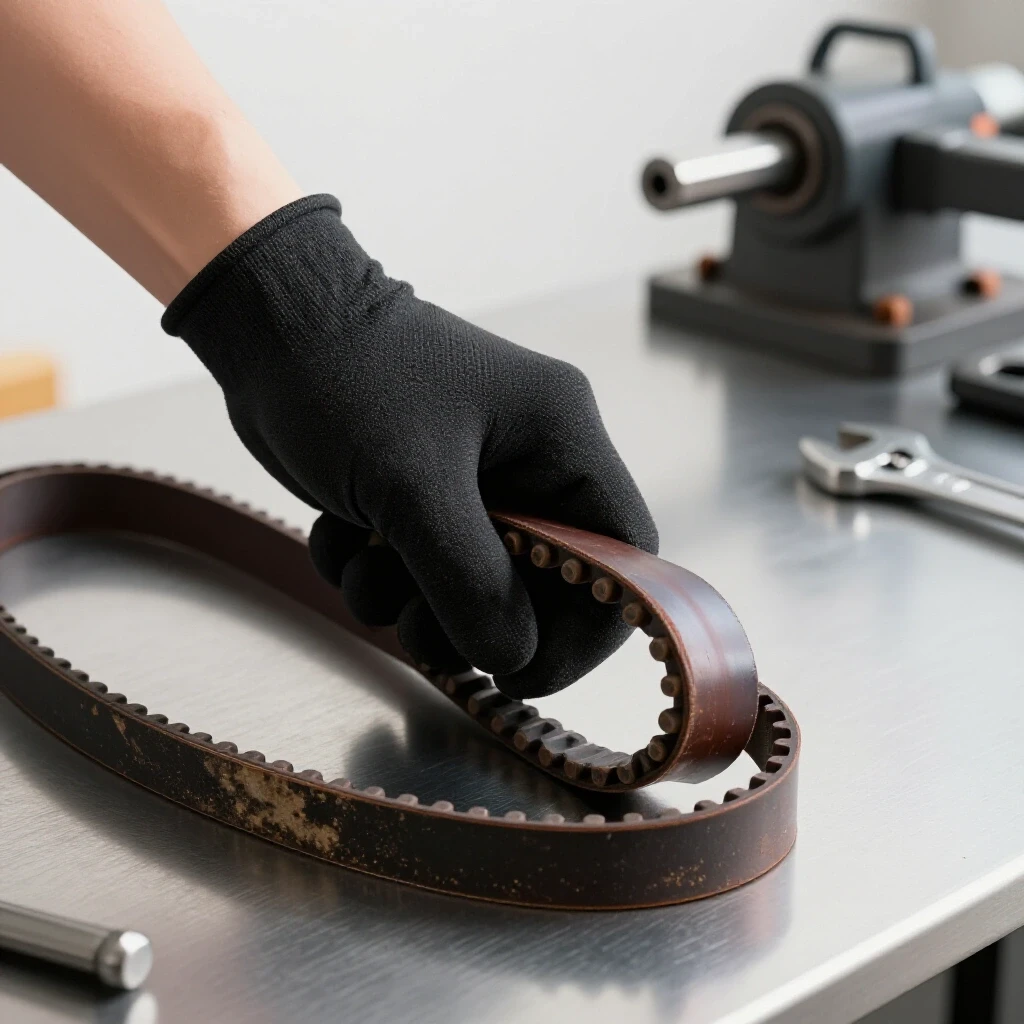
- Weekly: Check the tension on all drive belts. A loose belt causes “ghosting” in your cuts, which leads to poor surface finishes.
- Monthly: Inspect the bellows and wipers. These keep metal chips away from the precision surfaces. If they are torn, chips will grind into the bearings.
Consistent lubrication is the best way to ensure a positive return on investment. It keeps the machine running smoothly, which reduces the electrical load on the motors and prevents expensive mechanical wear.
Building a Custom Job Quote That Includes Maintenance Overhead
A custom job quote is a detailed price breakdown provided to a client. It must include direct labor, material costs, and a “burden factor” that covers the hidden costs of running and maintaining your equipment. If your quote only covers your time and the metal, you are actually losing money.
When I build a quote, I use a “Three-Tier” approach to ensure I am covering my bases. This helps in calculating shop rates that are competitive but profitable.
- Tier 1: Direct Costs. This is the raw material plus a 20-30% markup for sourcing and handling.
- Tier 2: Labor and Machine Time. I charge my shop rate ($80/hr) for every hour the machine is running and every hour I spend on prep or finishing.
- Tier 3: The Burden Factor. I add a flat 10-15% to the total labor cost to cover “shop consumables” like electricity, rags, lubricants, and machine wear.
For example, if a job takes 5 hours and uses $100 in metal: 1. Material: $100 + $30 markup = $130 2. Labor: 5 hours x $80 = $400 3. Burden: 15% of $400 = $60 4. Total Quote: $590
The $60 burden ensures that the job pays for the wear and tear it caused. Without this, you are paying for the machine’s upkeep out of your own pocket.
Analyzing Post-Job Profits Through the Lens of Equipment Health
Post-job analysis is the act of comparing your estimated costs against your actual spending. Reviewing your maintenance log alongside your profits helps identify if your machine is becoming too expensive to run. This is a vital step in welding consumable tracking and CNC part costing.
After you finish a project, look at your “actuals.” Did the machine run longer than expected because you had to slow down the feed rates to avoid vibration? Did you break an extra end mill because the spindle was running hot? These are signs that the machine needs attention.
- Track Tool Life: If you notice you are getting fewer parts per tool, check the spindle alignment or the coolant flow.
- Review Scrap Rates: High scrap rates often point to mechanical issues like backlash in the lead screws.
- Compare Energy Bills: A machine with unlubricated bearings will draw more power to move, which shows up on your monthly utility bill.
If your post-job analysis shows that your “Burden Factor” isn’t covering your actual maintenance costs, it is time to raise your rates. Don’t be afraid to charge what you are worth. A well-maintained shop produces better parts, and clients are usually willing to pay for quality and reliability.
Practical Steps to Start Your Maintenance-Based Accounting
Setting up a system doesn’t have to be complicated. You don’t need expensive software to manage a side-hustle metalworking business. A simple spreadsheet and a physical notebook by the machine are often enough to get started.
- Create a “Machine Log”: Every time you grease a rail or change a filter, write it down with the date and the machine’s “odometer” hours if available.
- Use a “Consumable Box”: Keep a small bin for used-up tools and empty oil bottles. At the end of the month, look at what you used to get a real sense of your consumable costs.
- Schedule “Shop Days”: Set aside one Saturday a month where you don’t take orders. Use this time to deep-clean the machine, verify alignments, and update your financial trackers.
- Update Your Pricing: Take the data from your logs and feed it back into your metal business ROI calculators. If your costs went up, your prices should too.
By taking these steps, you move from being a hobbyist who makes parts to a business owner who makes a profit. You protect your investment, ensure your accuracy, and build a foundation for a successful shop that can grow with you.
Frequently Asked Questions
How often should I really be checking the alignment on my home CNC? For a side-hustle shop, I recommend a quick check once a month or after any “crash.” If you are moving the machine or if you notice your parts aren’t fitting together correctly, do a full verification. Regular checks prevent small errors from turning into expensive scrap.
Do I really need to add a “maintenance burden” if my machine is new? Yes. Even a new machine is losing value every hour it runs. By collecting a maintenance reserve from day one, you ensure that you have the cash ready when the machine eventually needs its first set of replacement parts or a professional calibration.
What is the most common hidden cost in a small metal shop? In my experience, it is “untracked consumables.” Things like rags, cleaning solvents, way oil, and electricity add up. If you don’t track these, you might be losing $2 to $5 of profit for every hour you work.
How do I know if my shop rate is high enough to cover upkeep? Calculate your total monthly shop expenses, including a portion of your machine’s purchase price (depreciation). Divide that by the number of billable hours you actually work. If your current rate doesn’t leave you with a healthy profit after those costs, your rate is too low.
Can I use automotive grease on my CNC machine to save money? I advise against it. Always use the specific type of lubricant recommended by the manufacturer. Using the wrong grease can gum up the bearings or react poorly with your coolant, leading to much higher repair costs later.
How do I track “machine hours” if my machine doesn’t have a timer? Many control softwares have a “run time” log you can check. If yours doesn’t, simply estimate based on your job logs. If you billed for 20 hours of machine time this week, record 20 hours in your maintenance log.
Should I charge the customer for the time I spend doing maintenance? Not directly. Maintenance is an overhead cost. It should be factored into your hourly shop rate. Your $80/hour rate should be high enough that it covers both your “cutting time” and the “shop time” needed to keep the machine healthy.
Is it worth buying expensive coolant for a small garage shop? High-quality coolant often lasts longer and protects the machine better against rust. In a small shop where the machine might sit idle for a few days, a “cheap” coolant can go rancid or cause corrosion, which costs more in the long run.
How do I calculate the depreciation of a used CNC machine? Take the price you paid for the used machine and estimate how many years of life it has left. Divide the price by the number of years to get your annual depreciation. This is a key part of fabrication job costing.
What should I do if I find a mechanical issue during routine upkeep? Address it immediately. Running a machine with a known issue like a loose belt or a dry rail will cause a “cascade” of wear on other parts. It is better to delay a job by one day for maintenance than to ruin a customer’s part and your machine.
How much material markup is standard for a side-hustle? Most small shops use a 20% to 50% markup on materials. This covers the time you spend ordering, picking up, and moving the metal, as well as the cost of the “drops” or waste pieces you can’t use.
Does routine upkeep really help with ROI? Absolutely. A well-maintained machine produces higher quality parts faster and lasts twice as long as a neglected one. This means you get more “billable hours” out of the same initial investment, which is the definition of a better return on investment.
(This article was written by one of our staff writers, Michael Hargrove. Visit our Meet the Team page to learn more about the author and their expertise.)