Durable Metal Fabrication Hand Tools That Last Years (Review)
After 15 years of running a small-scale fabrication shop, I have learned that the most expensive tool you can buy is the one you have to replace three times. I keep detailed logs of every piece of equipment that enters my shop. My journals track how many hours a file stays sharp, how many strikes a punch takes before it mushrooms, and exactly when a C-clamp thread starts to gall.
Marketing brochures love to use words like “professional grade” or “heavy duty,” but these terms are often meaningless. In my experience, the real indicators of longevity are metallurgical specs and heat treatment data. When you are moving from hobbyist work to consistent daily production, you need to look past the chrome finish and evaluate the Rockwell hardness and the alloy composition.
Decoding Metallurgy and Heat Treatment for Workshop Longevity
The durability of a manual tool is almost entirely dependent on the type of steel used and how that steel was heat-treated. Heat treatment is the process of heating and cooling metal under controlled conditions to change its physical properties, such as increasing hardness or improving toughness.
In my shop, I prioritize tools made from high-carbon or alloy steels like S7, 4140, or 1045. Each of these serves a specific purpose based on its resistance to impact or abrasion. If a manufacturer cannot tell you what steel they use or the Rockwell C (HRC) hardness rating, it is usually because they are using low-grade mystery metal that will fail under stress.
Understanding Rockwell Hardness Ratings
Rockwell Hardness (HRC) is a scale used to measure the indentation resistance of a material. For metal fabrication, different tools require different HRC levels to perform effectively without breaking or wearing down prematurely.
- HRC 40–45: Ideal for hammer heads where you need some “give” to prevent chipping.
- HRC 52–58: The sweet spot for chisels and punches that must hold an edge but resist shattering.
- HRC 60–65: Necessary for files and cutting blades that must be harder than the material they are abrading.
The Role of Forging vs. Casting
Forging involves hammering or pressing metal into shape while hot, which aligns the grain structure and increases strength. Casting involves pouring molten metal into a mold, which can leave internal voids and a weaker grain structure.
I have found that forged steel tools consistently outlast cast iron versions by a factor of four. While cast iron is cheaper, it is brittle. In my maintenance logs, 90% of my tool “catastrophic failures”—where a tool actually snaps in half—occurred with cast parts.
Evaluating Striking Tools for Impact Resistance
Striking tools like hammers and punches are the workhorses of any fabrication shop. They are subjected to thousands of high-velocity impacts, which can lead to deformation or dangerous chipping if the metal is not properly tempered.
A high-quality hammer should have a face that is hard enough to resist denting but a core that is tough enough to absorb shock. I look for 1045 high-carbon steel or 4140 chromoly steel. These alloys respond well to differential tempering, where the face is hardened more than the eye of the hammer.
Why Punch and Chisel Steel Matters
Chisels and punches are often neglected until they fail, but a poor-quality punch can ruin a workpiece or cause injury. I prefer S7 tool steel for these items. S7 is known as “shock-resisting” steel because it can withstand heavy impacts without losing its shape.
- S7 Tool Steel: Best for heavy-duty punching and shearing.
- W1 Water-Hardened Steel: Good for general purpose but can be brittle.
- M2 High-Speed Steel: Excellent for heat resistance but prone to snapping under side-loads.
| Tool Type | Recommended Steel | Target Hardness (HRC) | Expected Lifespan (Hours of Use) |
|---|---|---|---|
| Ball Peen Hammer | 1045 Carbon Steel | 45-50 | 2,000+ |
| Center Punch | S7 Shock Steel | 54-56 | 500 (before regrind) |
| Cold Chisel | 6150 Alloy Steel | 52-55 | 300 (before regrind) |
| Drift Punch | 4140 Chromoly | 42-48 | 1,000+ |
Edge Retention in Files and Manual Cutting Tools
Files are essentially multi-toothed cutting tools, and their longevity depends on the hardness of the teeth relative to the workpiece. In my shop, I track “stroke efficiency,” which is a subjective measure of how much material a file removes per stroke over time.
A high-quality file is usually made from 1.0% to 1.25% high-carbon steel. Cheap files often use case-hardening, where only the very outer layer of the metal is hard. Once that thin layer wears off—usually within a few hours of aggressive use—the file becomes a useless piece of soft iron.
Identifying High-Quality File Teeth
When inspecting files, I look for the consistency of the tooth height and the sharpness of the gullets. High-performance files have teeth that are chemically or mechanically sharpened after the teeth are cut.
- Single-cut files: Best for smooth finishes and sharpening other tools.
- Double-cut files: Best for rapid material removal on rougher surfaces.
- Swiss pattern files: Precision tools with finer teeth and tighter tolerances.
Manual Snips and Shear Durability
For cutting sheet metal, the pivot point is the most common failure location. I look for snips with a bolted pivot rather than a riveted one. A bolt allows you to adjust the tension as the tool wears, whereas a rivet will eventually loosen, causing the blades to “skip” or fold the metal instead of cutting it.
The blades should be drop-forged molybdenum steel. In my experience, these blades hold an edge three times longer than standard high-carbon steel blades when cutting stainless steel or high-tensile alloys.
Clamping Systems and Thread Wear Patterns
Clamps are the most abused tools in a fabrication environment. They are exposed to heat, welding spatter, and high torque. The longevity of a clamp is determined by the frame material and the quality of the screw threads.
I have moved almost entirely to forged steel F-clamps. While ductile iron C-clamps are traditional, they lack the “spring” of forged steel. Under high pressure, a forged clamp will flex slightly and return to its original shape. A cast iron clamp will simply snap once its limit is reached.
The Importance of ACME Threads
The screw thread on a clamp is where most wear occurs. I look for clamps that use ACME threads, which have a square-ish profile. ACME threads are much more resistant to mechanical wear and are easier to clean if welding spatter lands on them.
- Check for “Black Oxide” or “Zinc” coating: These help prevent spatter from sticking.
- Inspect the swivel pad: It should be heavy-duty and replaceable.
- Test the handle torque: A sliding T-handle allows for more pressure than a plastic grip.
A Systematic Approach to Tool Maintenance and Tracking
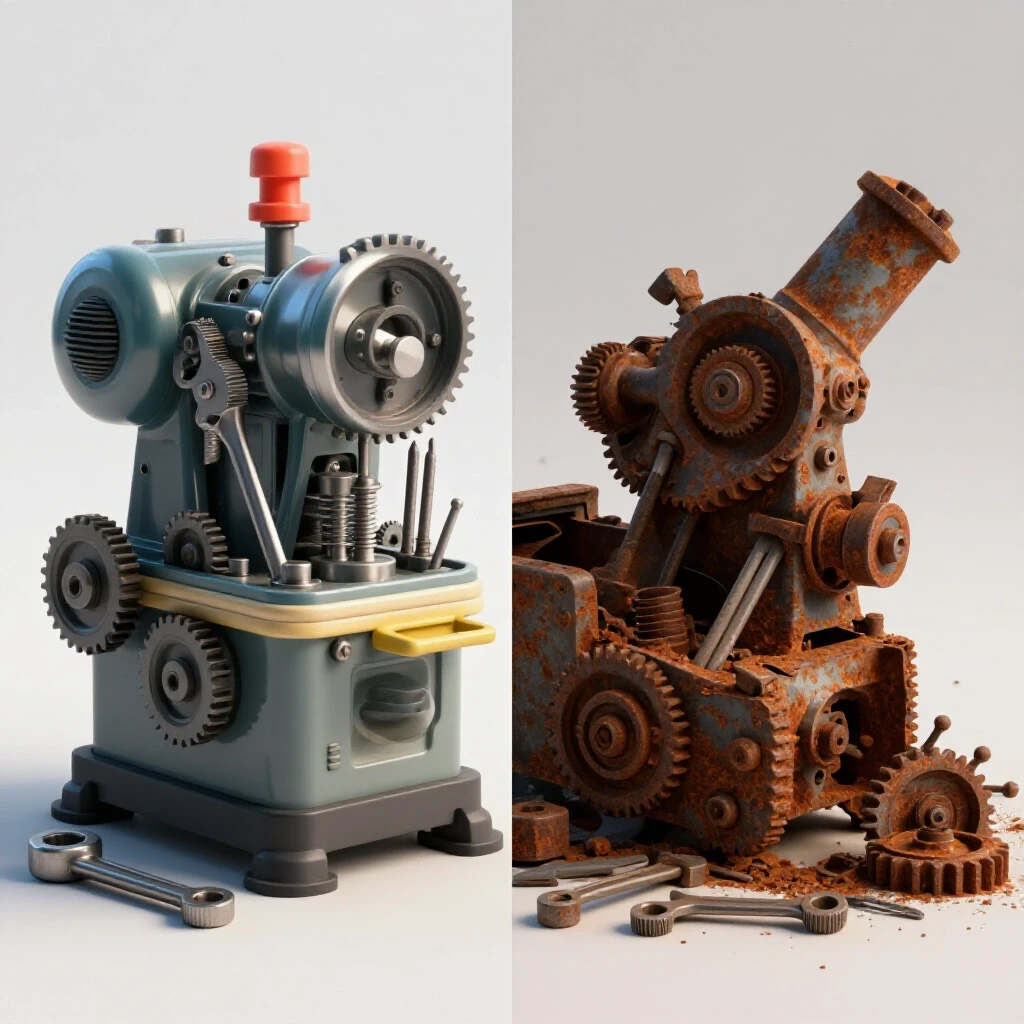
To ensure my manual tools last for decades, I follow a strict maintenance schedule. I treat my hand tools with the same respect as my larger machinery. This prevents the “slow decline” of tool performance that often goes unnoticed until a project is ruined.
I keep a digital log for my most-used hand tools. Every six months, I perform a “shop audit” where I inspect every striking face, every cutting edge, and every clamp thread.
Practical Maintenance Checklist
- Striking Tools: Grind away any “mushrooming” on the heads of punches and chisels. This prevents steel shards from flying off during a strike.
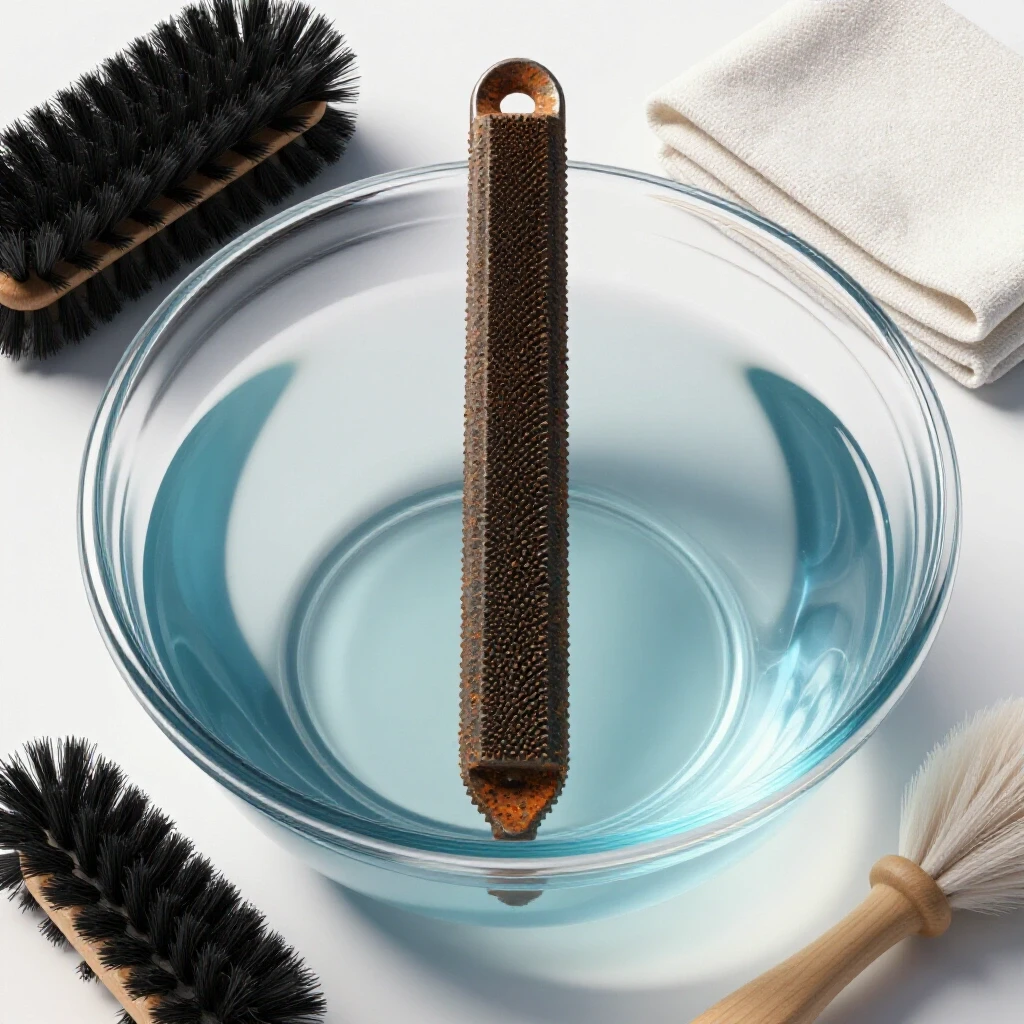
- Files: Use a file card (a stiff wire brush) after every use. Never stack files on top of each other, as the teeth will dull each other.
- Clamps: Clean threads with a wire wheel and apply a dry-film lubricant. Avoid wet oils that attract grinding dust.
- Cutting Tools: Hone the edges of snips and cold chisels using a fine-grit diamond stone.
Strategic Purchasing: Avoiding the “Budget Trap”
When you are planning long-term equipment purchases, it is tempting to buy a 50-piece “starter kit” for a low price. However, my data shows that these kits usually contain three or four decent tools and 46 pieces of filler made from low-grade steel.
I recommend “buying by the piece” based on your specific needs. Start with one high-quality 2-pound ball peen hammer, one set of S7 punches, and four forged steel F-clamps. As these tools prove their worth in your shop, you can expand your inventory.
Decision Pathway for New Tooling
When I evaluate a new manual tool, I ask three questions: 1. Is the material specification documented (e.g., 4140, S7, High Carbon)? 2. Is the tool forged or cast? 3. Are the wear components (like clamp pads or snip bolts) replaceable or adjustable?
If the answer to any of these is “no” or “unknown,” I generally pass. The goal is to build a toolkit that performs as well in year ten as it did on day one.
Frequently Asked Questions
What is the best steel for a cold chisel that won’t dull quickly? For heavy metal fabrication, S7 tool steel is the gold standard. It is specifically designed to resist the shock of hammer blows while maintaining a sharp cutting edge. If S7 is unavailable, 6150 alloy steel is a very capable second choice due to its excellent fatigue resistance and toughness.
How can I tell if a hammer is forged or cast just by looking at it? Forged tools often have a faint “parting line” where the two halves of the forge die met, but this line is usually smoother than a casting line. Cast tools often have a slightly grainy surface texture (like an orange peel) and may have small circular marks from the casting ejector pins. Forged steel also has a clearer, higher-pitched “ring” when tapped with another piece of metal.
Why do my files seem to get dull after only a few projects? The most common reason is “pinning,” where small bits of metal (pins) get stuck in the teeth and act as an abrasive against the file itself. Another reason is using too much pressure on the backstroke. Files are designed to cut only on the forward stroke. Dragging the file backward under pressure rounds over the teeth almost instantly.
Are forged F-clamps really better than traditional C-clamps? In a fabrication setting, yes. Forged F-clamps offer a deeper throat and faster adjustment. More importantly, the forged steel frame can handle the thermal expansion of parts being welded. Cast C-clamps are rigid and can snap if the workpiece expands significantly while clamped tightly.
How do I prevent my punches from mushrooming? Mushrooming is inevitable over time, but you can minimize it by using punches with a hardness of HRC 54-56. Once the head begins to spread, you must grind it back to a slight chamfer. If you leave the mushroomed edge, it will eventually crack and send a high-velocity steel shard into your hand or eye.
What is the advantage of ACME threads on clamps? ACME threads have a broader, flatter profile than standard V-shaped threads. This makes them much stronger and more resistant to “galling,” which is when the metal threads weld themselves together under high pressure. They are also significantly easier to brush clean if they get covered in grit or welding spatter.
Is it worth sharpening old files? Generally, no. Files are so hard (HRC 62+) that they are difficult to sharpen mechanically without drawing the temper (softening the metal) with heat. While some people use acid-etching to “sharpen” files, this only thins the teeth and doesn’t restore the original geometry. It is better to invest in a high-quality file and maintain it with a file card.
What should I look for in a high-quality center punch? Look for a punch made from S7 or O1 tool steel with a knurled grip for better control. The point should be ground to a 60 or 90-degree angle. I prefer a manual punch over an automatic one for heavy fabrication, as you can control the depth of the mark by the weight of your hammer blow.
Why does my snip blade keep “folding” the metal instead of cutting it? This usually happens because the pivot bolt has loosened, allowing the blades to spread apart. On high-quality snips, you can tighten the nut to bring the blades back into contact. If the blades are tight but still folding, the edges have likely rounded over and need to be honed with a diamond stone.
How often should I lubricate my manual tools? I recommend a light wipe-down with a dry-film lubricant once a month, or after any heavy cleaning. Avoid using thick greases, as they trap metal shavings and grinding dust, which act like sandpaper and accelerate wear on moving parts like clamp screws and snip pivots.
(This article was written by one of our staff writers, David Reynolds. Visit our Meet the Team page to learn more about the author and their expertise.)