Evapo-Rust vs Acid Baths for Cleaning Tool Steel (Review)
I have spent nearly two decades standing over machines that refuse to behave. In my experience as a millwright, the most frustrating problems aren’t the catastrophic failures where a gear snaps in half. The real headaches are the subtle ones: the creeping vibration in a spindle, the intermittent porosity in a TIG bead, or a lathe that suddenly loses its ability to hold a 0.001-inch tolerance. Often, when I peel back the layers of these issues, I find they don’t stem from a motor or a bearing. They start with the condition of the tool steel itself.
Surface integrity is the foundation of all precision metalworking. When rust invades a workshop, it isn’t just an aesthetic problem. It is a dimensional and metallurgical threat. I remember a specific case where a shop was struggling with persistent tool chatter on a heavy-duty mill. They had replaced the end mills and tightened the gibs, but the finish was still garbage. When I pulled the tool holders, I found a thin, uneven layer of oxidation on the shanks. That microscopic “crust” was preventing the taper from seating fully, creating a resonant harmonic that no amount of tightening could fix.
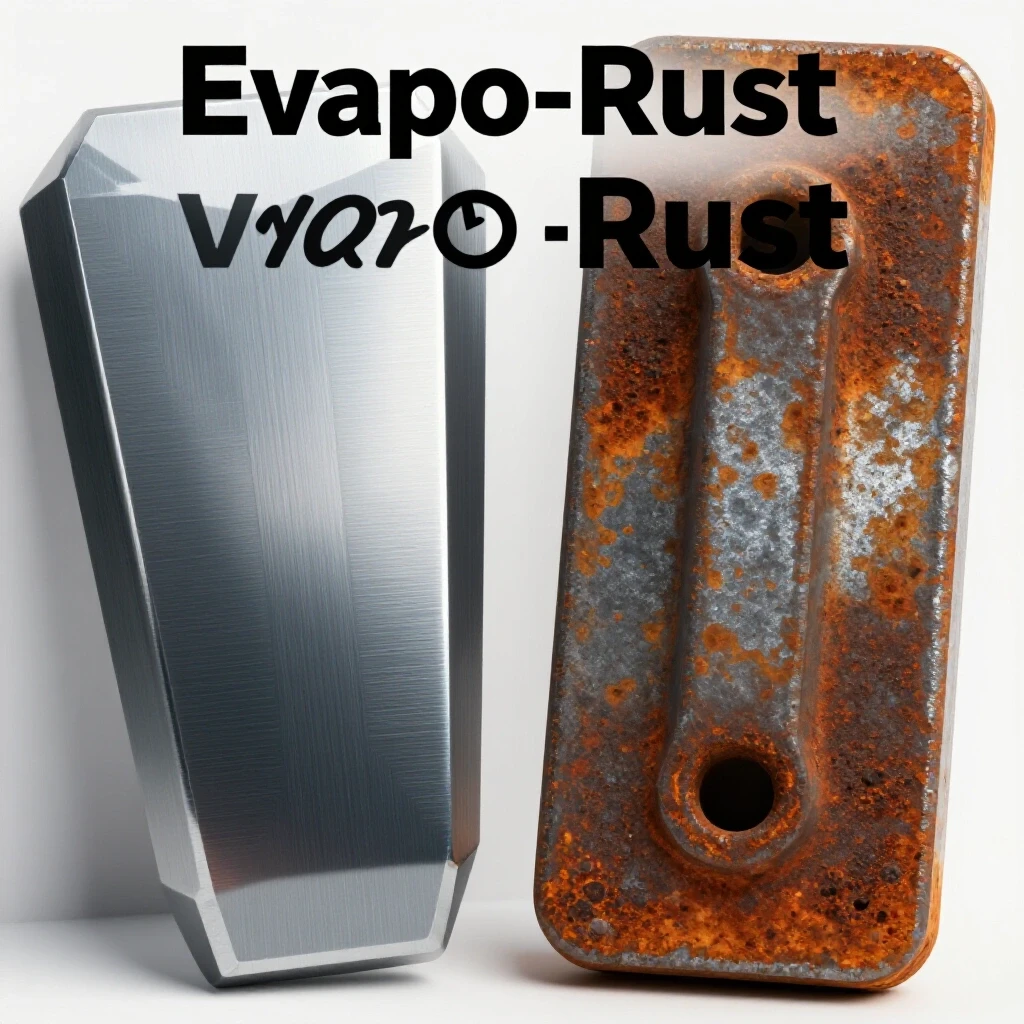
Restoring that steel requires a choice between two very different paths: using selective chelating agents or traditional mineral acid dips. Each has a place in a metalworking diagnostic guide, but choosing the wrong one can permanently ruin the precision of your equipment. In this guide, I will break down how to evaluate these methods so you can get your machines back into alignment without sacrificing the base metal.
Establishing a Systematic Diagnostic Framework for Surface Restoration
A diagnostic framework is a structured way to look at a problem by isolating variables and testing assumptions. Before you drop a precision tool into a vat of chemicals, you must identify what you are trying to achieve: are you removing heavy scale from a raw casting, or are you trying to preserve the 0.0005-inch tolerance on a micrometer anvil?
When I encounter a machine with “electrical gremlins” or “alignment faults,” I start by looking at the contact points. If those points are fouled by oxidation, your electrical resistance (measured in Ohms) will spike, and your mechanical fit will fail. You cannot troubleshoot a lathe alignment checklist if the reference surfaces are pitted or covered in “flash rust.” The goal is to return the steel to its virgin state without altering its geometry.
Identifying the Root Cause of Surface-Induced Failures
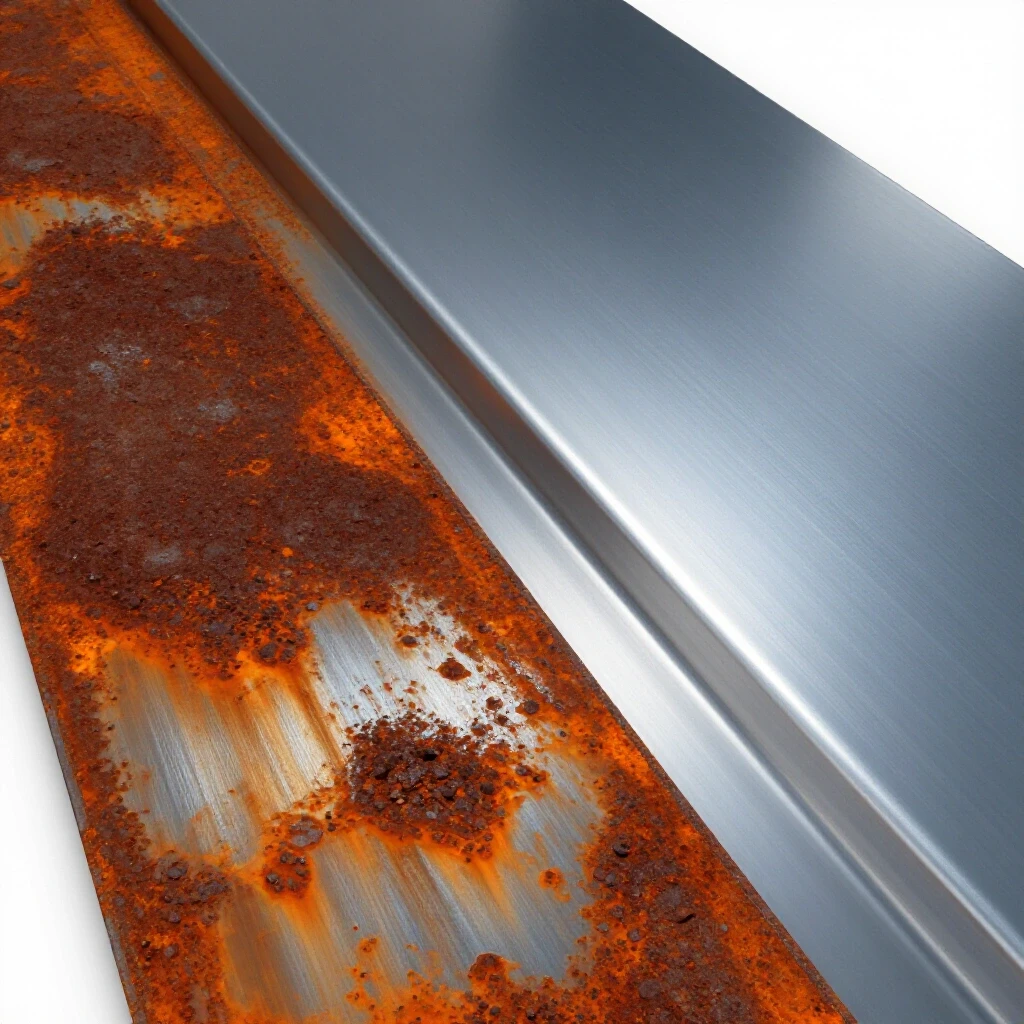
Surface-induced failures occur when oxidation interferes with the mechanical or electrical properties of a component. This can manifest as increased friction, poor heat dissipation, or electrical arcing in motor controllers. By identifying the type of rust—whether it is loose orange “bloom” or deep black “pitting”—you can determine the aggressiveness of the treatment needed.
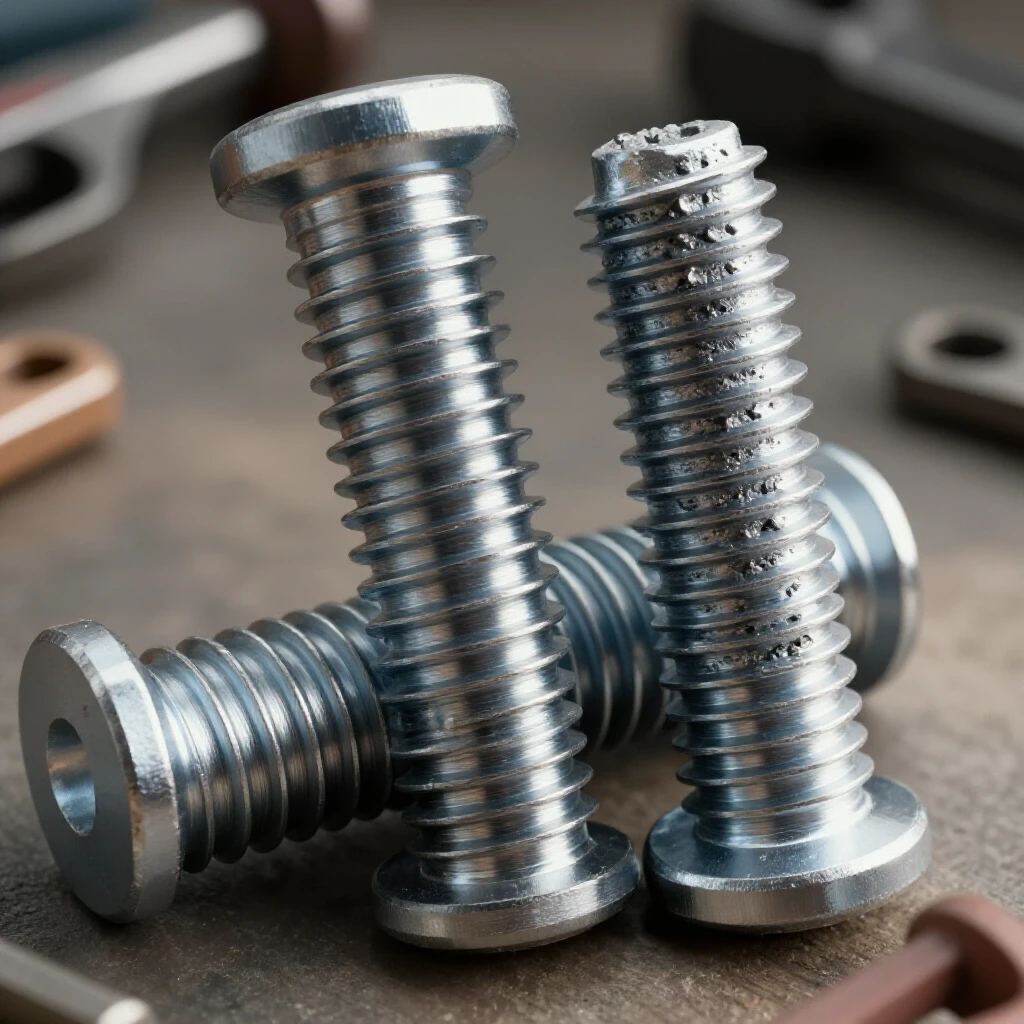
In my repair logs, I categorize surface issues into three levels. Level one is light surface staining that wipes off with oil. Level two is structural oxidation that has a measurable thickness, often around 0.002 to 0.005 inches. Level three is deep pitting where the rust has eaten into the grain structure of the tool steel. For level two and three, a simple wipe-down won’t work. You need a chemical solution that can reach into the microscopic valleys of the metal to stop the oxidation process.
Comparing Non-Acidic Chelating Agents and Mineral Acid Immersion
Understanding the “why” behind chemical reactions helps you avoid “random guesswork” in the shop. Mineral acids, like phosphoric or muriatic acid, work through a process of aggressive dissolution. They eat everything—the rust and the good steel alike. Chelating agents, on the other hand, are selective. They use a large molecule to “grab” the iron oxide while leaving the unoxidized iron atoms alone.
When you are troubleshooting weld porosity, the choice of cleaner is vital. If you use a heavy acid and don’t neutralize it perfectly, the residual acid can outgas during the welding process. This introduces hydrogen or other contaminants into the weld pool, leading to those tiny, frustrating bubbles. A neutral pH solution is often a safer bet for parts that will see high heat or precision fitment later.
The Impact of pH on Tool Steel Dimensions
The pH scale measures how acidic or basic a solution is, ranging from 0 to 14. A neutral solution sits at 7.0. Mineral acids often have a pH as low as 1.0, which makes them incredibly fast but very dangerous for precision tools. If you leave a gauge block in a strong acid bath for five minutes too long, you might lose 0.001 inches of material, rendering the tool useless for calibration.
- Chelating Agents (Neutral pH): These typically operate at a pH of 6.0 to 7.0. They are safe for skin contact and do not cause “hydrogen embrittlement,” a condition where steel becomes brittle and prone to cracking under load.
- Acid Baths (Low pH): These range from 1.0 to 3.0 pH. They work in minutes rather than hours but require immediate neutralization with a base (like baking soda and water) to stop the “flash rusting” that occurs the moment the part hits the air.
Comparison Table: Restoration Methods for Precision Components
| Metric | Non-Acidic Chelating Solution | Traditional Acid Immersion |
|---|---|---|
| Dwell Time | 4 to 24 hours | 5 to 30 minutes |
| Material Loss | Zero (selective) | High (non-selective) |
| Surface Finish | Preserves original Ra | Can cause pitting |
| Neutralization | Water rinse only | Requires alkaline buffer |
| Safety Gear | Minimal (gloves/glasses) | Respirator and acid-apron |
| Precision Fit | Maintains 0.0001″ tolerances | Can alter tolerances by >0.001″ |
Why Machining Chatter Ruins Tools and How Surface Prep Is the Fix
Machining chatter is a resonant harmonic vibration that occurs when the cutting tool and the workpiece are not perfectly rigid. It sounds like a high-pitched scream and leaves a “washboard” finish on your part. While many operators blame the spindle speed or the feed rate, I often find the culprit is a dirty or oxidized tool holder interface.
If your tool holder has even a microscopic layer of rust, it cannot seat with 100% surface contact. This lack of contact reduces the “stiffness” of the setup. Think of it like a table with one leg slightly shorter than the others; it might look fine, but it will wobble as soon as you put weight on it. By using a non-acidic soak to clean those tapers, you ensure maximum surface-to-surface contact, which dampens those vibrations and allows for a much cleaner cut.
Isolating Rigid Harmonic Vibrations
To isolate whether chatter is caused by surface contamination or mechanical wear, I use a simple “blueing” test. I apply a thin layer of layout dye to the tool shank and seat it in the spindle. When I remove it, I look at the transfer pattern. If the dye is patchy, I know I have a surface issue.
- Clean the taper: Use a neutral chelating soak for 12 hours to remove all microscopic oxides.
- Inspect for pitting: If the surface is pitted from previous acid cleanings, the tool may never seat correctly.
- Check the drawbar tension: Ensure the tool is being pulled into the spindle with the correct force (usually measured in pounds of pull).
- Re-test the finish: If the chatter persists after cleaning, then move on to checking bearing preload and spindle backlash.
Troubleshooting Weld Porosity Through Proper Chemical Cleaning
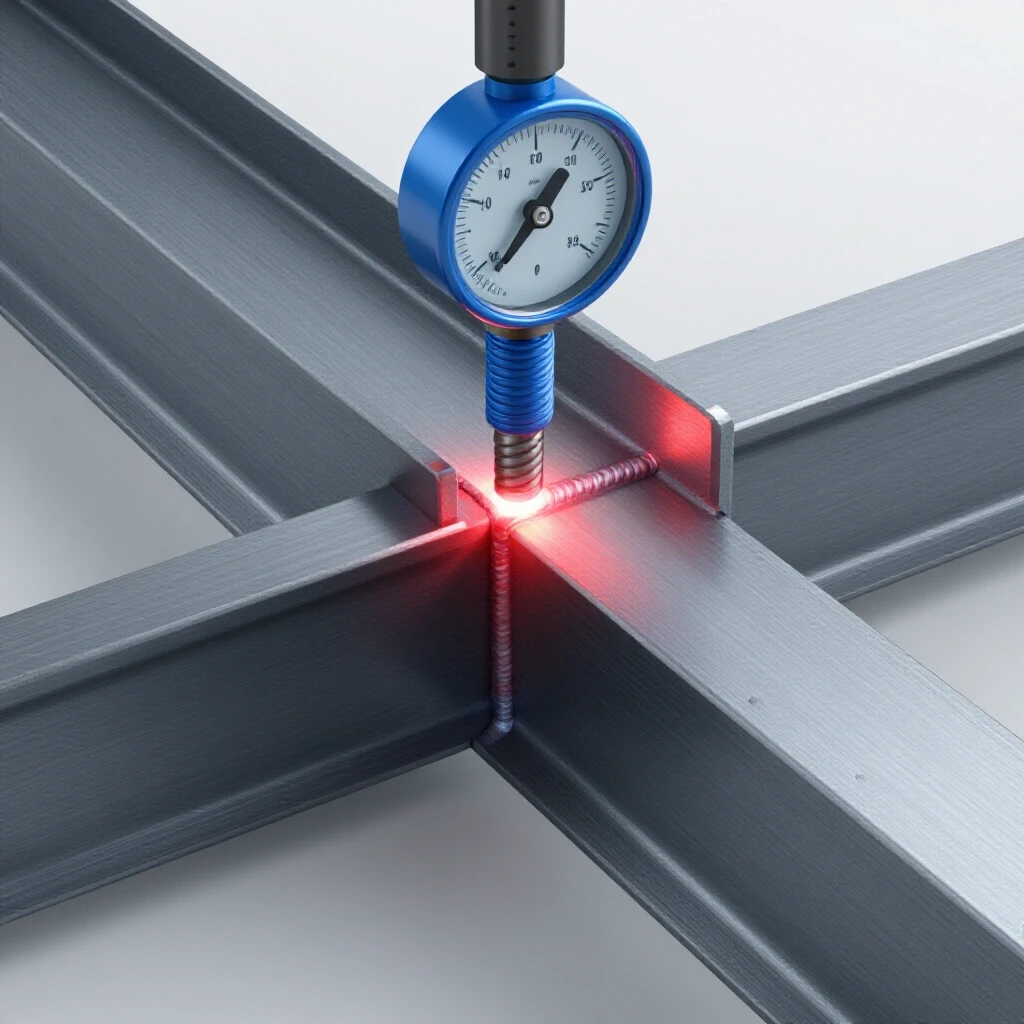
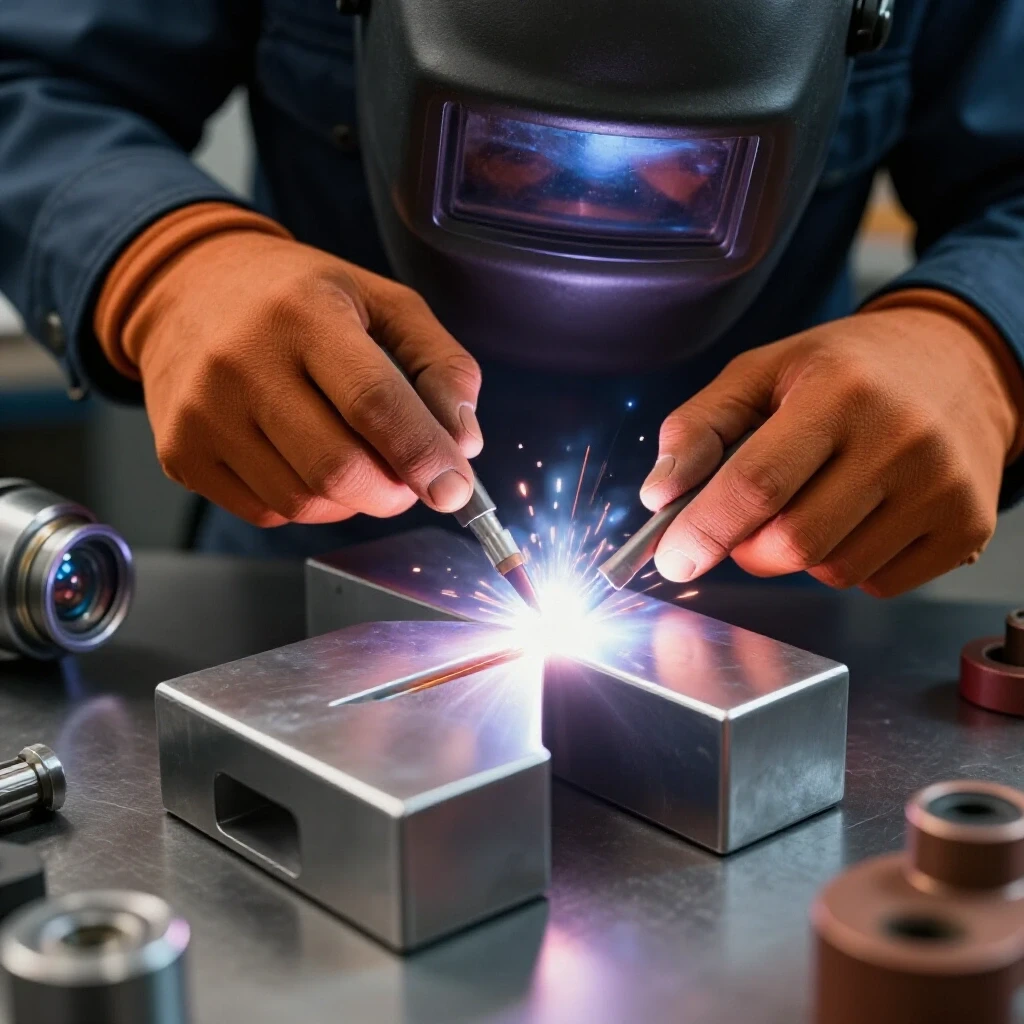
Weld porosity is the “silent killer” of structural integrity. It happens when gas becomes trapped in the molten weld pool as it solidifies. In my years of diagnosing weld defects, the most common cause is “dirty” steel. Even if the steel looks shiny, it might have a thin layer of hydrated oxides or chemical residue from a previous acid bath.
If you use a phosphoric acid-based “rust converter,” it often leaves a phosphate coating on the metal. This coating is great for paint adhesion, but it is a nightmare for welding. When the arc hits that coating, it vaporizes, creating gas pockets. For X-ray quality welds, I always recommend a deep soak in a neutral pH solution followed by a thorough de-greasing with acetone. This ensures there are no chemical “surprises” waiting for you in the heat-affected zone.
Metalworking Diagnostic Guide: Porosity Isolation Steps
When a welder tells me they are getting porosity, I don’t just tell them to turn up the gas. I follow a systematic checklist to find the root cause.
- Check Shielding Gas: Verify flow rates are between 15 and 25 CFH (Cubic Feet per Hour).
- Analyze Surface Prep: Was the steel cleaned with a non-selective acid? If so, check for residual salts.
- Inspect for Moisture: Rust is porous and holds water. If you don’t remove 100% of the rust, that trapped moisture will turn into hydrogen gas in the weld.
- Verify Material Grade: Ensure the tool steel hasn’t been “sulfurized” or treated in a way that reacts poorly to the welding process.
Mastering Lathe Alignment and Mechanical Troubleshooting Steps
A lathe alignment checklist is useless if your ways are covered in “stiction-inducing” rust. Stiction is short for “static friction.” It is that “jerky” feeling when you try to move a carriage or a tailstock. It happens because oxidation creates a rough, jagged surface at the microscopic level.
To fix a structural alignment fault, you must first ensure the “ways” (the tracks the machine moves on) are perfectly smooth. If you use a harsh acid to clean the ways, you risk creating “low spots” that will cause the carriage to dip as it moves. This ruins your ability to turn a straight cylinder. I prefer using a slow-acting, non-acidic soak. I’ll often saturate a rag in the solution, lay it over the rusted area, and cover it with plastic wrap to prevent evaporation. After 24 hours, the rust wipes away, leaving the precision-ground surface intact.
Step-by-Step Lathe Way Restoration
- Initial Observation: Measure the “level” of the machine using a precision master level (0.0005″ per foot).
- Surface Decontamination: Apply a neutral chelating agent to any visible rust on the ways or lead screws.
- Mechanical Cleaning: Use a fine Scotch-Brite pad or a brass scraper to lift the softened rust. Never use a steel scraper on precision ways.
- Backlash Adjustment: Once the lead screw is clean, check for backlash. A standard manual lathe should have less than 0.005 inches of play. If it’s higher, adjust the nuts.
- Final Alignment: Use a test bar and a dial indicator to check for “runout.” Your goal is usually less than 0.0002 inches at the spindle nose.
Practical Metrics and Benchmarks for the Workshop
In the world of mechanical troubleshooting, data is king. You cannot manage what you do not measure. When I am restoring a set of rusted parallels or a sine bar, I track several metrics to ensure the process is working.
- Surface Roughness (Ra): A precision ground surface should have an Ra (Roughness Average) of 16 to 32. Acid cleaning can push this over 64, which is too rough for precision work.
- Dimensional Change: Use a micrometer to measure the part before and after cleaning. With a neutral chelating agent, the change should be 0.0000 inches.
- Dwell Time Efficiency: For heavy rust, a 12-hour soak at 70°F is the benchmark. If the shop is cold (below 60°F), the chemical reaction slows down significantly, and you may need 24 to 48 hours.
Checklist: Tools for Systematic Surface Diagnosis
- Digital Dial Indicator: For measuring runout and backlash (0.0001″ resolution).
- Infrared Heat Tracker: To check for “hot spots” in bearings caused by friction from rust particles.
- Smartphone Vibration App: To detect resonant harmonics that suggest a poor tool-to-spindle fit.
- pH Test Strips: To ensure your cleaning baths haven’t become contaminated or overly acidic.
- Precision Master Level: For checking the foundation and “twist” of machine beds.
Real-World Case Study: The “Ghost” in the Motor Controller
I once spent three days chasing a “back-EMF fault” on a CNC mill. The motor controller kept tripping, suggesting a short circuit or a failing motor. After testing the resistance of the windings (which were a healthy 1.2 Ohms), I started looking at the physical connections.
The mill had been sitting in a damp corner of the shop. The copper bus bars and the steel mounting bolts had developed a layer of galvanic corrosion—a type of oxidation that happens when two different metals touch. This layer acted like a resistor, creating heat and “noise” in the electrical signal.
Instead of replacing a $2,000 controller, I removed the bolts and bus bars and soaked them in a neutral de-rusting solution. Once the metal was clean and shiny again, I reassembled the parts with a bit of conductive grease. The “electrical gremlin” vanished. The lesson here is simple: mechanical cleanliness is the prerequisite for electrical reliability.
Conclusion: Developing a “Surface-First” Mindset
When you are faced with a machine that isn’t performing, it is easy to get lost in complex theories. You might start worrying about “current phase unbalance” or “spindle bearing preload.” But 15 years of troubleshooting have taught me to start with the simplest, most visible variable: the surface of the metal.
Choosing between a fast-acting acid and a slow-acting neutral soak is a test of patience versus precision. If you are working with a rusted shovel, the acid is fine. But if you are a fabricator dealing with tool steel, precision fits, and weld integrity, you cannot afford the “collateral damage” that acids cause. By adopting a systematic, non-destructive approach to cleaning, you preserve the accuracy of your tools and the quality of your work.
Next time you see a bit of orange on a lathe way or a tool holder, don’t just grab the nearest bottle of “rust remover.” Stop and think about the tolerances you need to hold. Use a neutral chelating agent, give it the time it needs to work, and then get back to making parts that are actually within spec.
Frequently Asked Questions
Does a neutral pH soak remove the “patina” or factory finish from tool steel? No. Unlike acids, which strip away everything including the “black oxide” or “bluing” found on many tools, a selective chelating agent only targets the iron oxide (rust). It will leave the original factory finish and even the heat-treat “skin” intact, which is vital for maintaining the tool’s corrosion resistance.
Why shouldn’t I use a wire wheel to clean rust off a lathe bed? A wire wheel is an abrasive. While it removes rust quickly, it also rounds off the sharp “peaks” of the precision-ground ways. This creates an uneven surface that can lead to “carriage rock.” Chemical cleaning is superior because it reaches into the “valleys” of the metal without touching the “peaks.”
Can I weld tool steel immediately after a neutral soak? You should always perform a secondary cleaning step. After the soak, rinse the part in water to remove the spent chemical, dry it thoroughly to prevent flash rust, and then wipe it down with a high-quality solvent like acetone or denatured alcohol to remove any residual films.
How do I know if my cleaning bath is “dead”? Most non-acidic solutions change color as they work, usually turning black or deep amber as they become saturated with iron. You can also monitor the “dwell time.” If a part that used to take 4 hours now takes 24 hours, the solution is depleted and needs to be replaced.
Will these solutions fix deep pitting in a spindle taper? No chemical can “add” metal back. A soak will remove the rust from inside the pits, stopping further damage, but the pits themselves will remain. If the pitting is severe, you may need to have the taper reground to restore 100% surface contact.
Is it safe to leave precision tools in a neutral soak over the weekend? Yes. One of the biggest advantages of non-acidic chelating agents is that they are “self-limiting.” Once all the iron oxide is gone, the chemical reaction stops. Unlike acid, which will continue to eat the tool until nothing is left, a neutral soak is safe for long-term immersion.
How does rust affect the “backlash” in my machine’s lead screws? Rust adds volume. A rusted lead screw might actually feel “tighter” because the oxidation is filling the gap between the screw and the nut. Once you clean the rust away, you might discover significant mechanical wear (backlash) that was being hidden by the “crust.”
Can I use these methods on “high-speed steel” (HSS) drill bits? Absolutely. HSS is a type of tool steel that responds very well to neutral soaking. It preserves the sharp cutting edges that an acid bath might dull or “round over” through non-selective etching.
What is the best way to prevent rust from returning after cleaning? Once the steel is clean, it is at its most vulnerable. Immediately apply a “water-displacing” oil or a dedicated machine-tool wax. For parts in long-term storage, a VCI (Vapor Corrosion Inhibitor) bag is the gold standard.
Does temperature affect how well these cleaners work? Yes. Most chemical reactions follow the Arrhenius equation, meaning they speed up as temperature increases. A soak that takes 12 hours at 60°F might only take 4 hours at 100°F. Never boil these solutions, but a simple “bucket heater” can drastically improve efficiency in a cold shop.
(This article was written by one of our staff writers, Paul Whitaker. Visit our Meet the Team page to learn more about the author and their expertise.)