Storing and Sorting Multiple Part Batch Runs Safely (Fix)
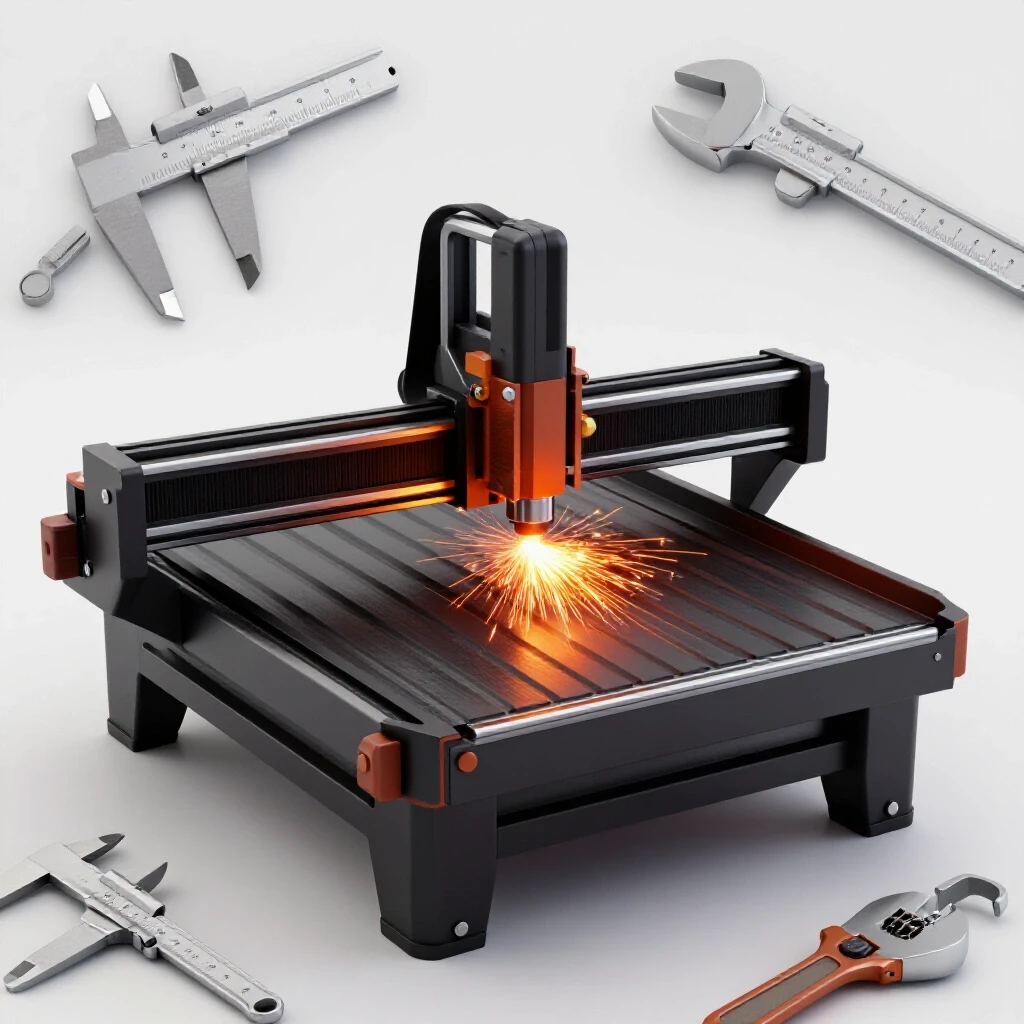
I remember the day my shop floor disappeared. It was about ten years ago, right after I integrated my first high-speed CNC plasma system. Within three days, every horizontal surface—workbenches, the tops of tool chests, even the floor around the break area—was covered in stacks of steel parts. I had successfully automated the cutting process, but I had completely ignored the logistics of what happens once those parts leave the slats. The result was a dangerous, cluttered mess that slowed down every other operation.
Scaling a fabrication business from a hobby setup to a professional operation is a major milestone. However, the move to high-volume production brings a specific type of stress. You are no longer managing one or two pieces at a time. You are managing dozens or hundreds of parts that all look similar but might have slight variations. If you do not have a system for organizing these batches, your shop will face physical bottlenecks that kill your productivity and create safety hazards.
Transitioning to a professional workflow requires a shift in how you view your floor space. It is not just about where the machines sit; it is about the path the material takes through the shop. By applying lean manufacturing principles to your layout and infrastructure, you can turn a chaotic environment into a streamlined production cell.
Mapping Material-Flow Loops to Prevent Shop Floor Congestion
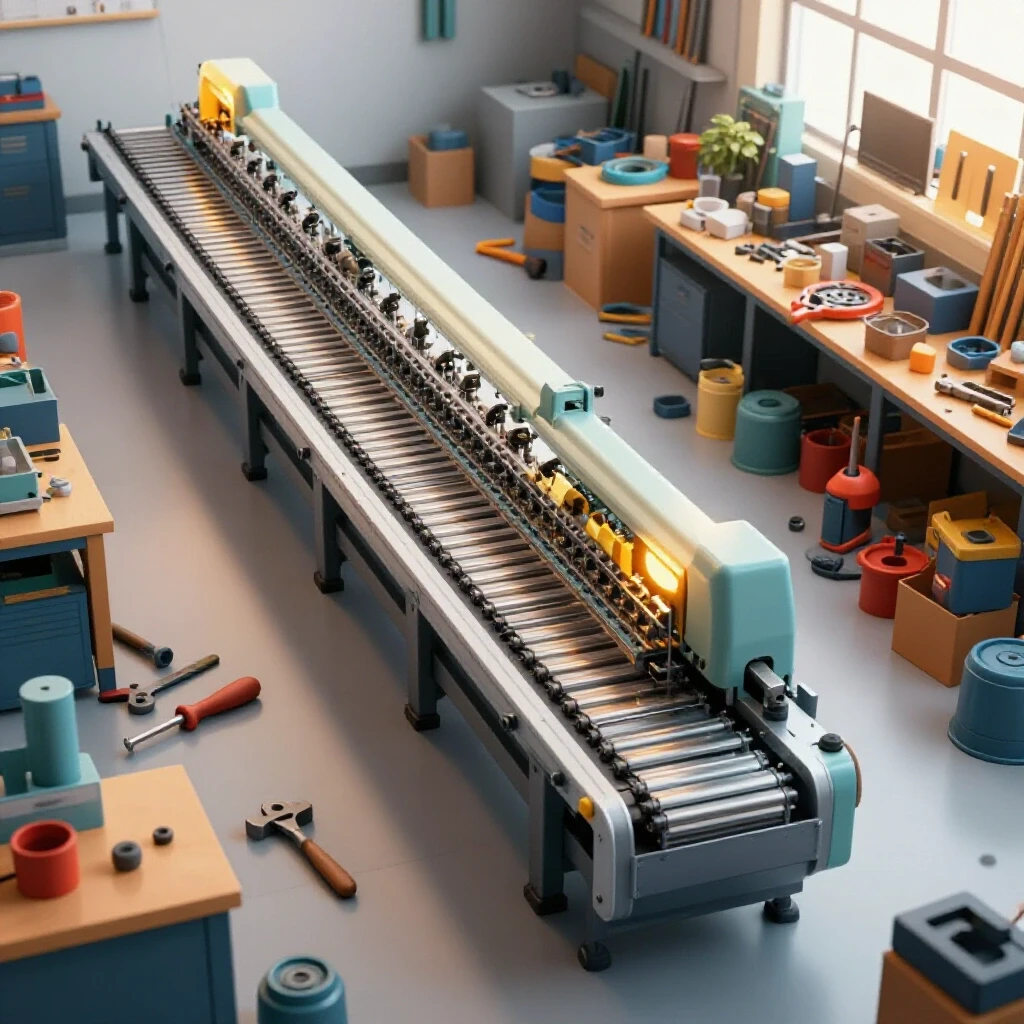
A material-flow loop is the designated path that raw stock and finished parts take through your workspace. In a professional shop, this path should be as direct as possible to minimize the time spent moving heavy metal. Mapping these loops helps you identify where parts tend to pile up and create hazards.
When I first analyzed my shop, I realized my parts were moving in a “star” pattern. They went from the machine to a cleaning table, then back across the shop to a rack, then back to the center for sorting. This back-and-forth movement was a massive waste of energy. Today, I use a linear flow. Material comes in one door, moves through the machine, lands in a staging area, and moves out the other side.
Identifying Bottlenecks in Part Transition Zones
A transition zone is any area where a part stops moving for more than a few minutes. This is usually where sorting happens. If your sorting area is too small, parts will spill over onto the floor. This creates a tripping hazard and makes it much harder to keep track of your batch runs.
To fix this, you must designate specific “landing zones” for every batch. These zones should be sized based on your largest expected production run. If you are cutting 50 brackets, you need a bin or a rack space that can hold all 50 without stacking them in a way that makes them unstable.
Workshop Layout Flow Comparison
| Feature | Traditional Hobby Layout | Professional Linear Layout |
|---|---|---|
| Material Path | Random / Back-and-forth | One-way / Circular |
| Part Staging | Any available flat surface | Dedicated, labeled bins/racks |
| Safety Clearance | Tight, cluttered walkways | 3-foot minimum clear zones |
| Throughput | Limited by floor space | Limited by machine speed |
| Search Time | High (looking for parts) | Low (everything has a home) |
Structural Requirements and Floor Load Ratings for Batch Storage
Metal is heavy, and when you start producing parts in batches, that weight adds up faster than you might expect. Floor load rating refers to the amount of weight a specific area of your floor can safely support. Many home-based shops have four-inch thick concrete slabs, which are fine for cars but can struggle under concentrated loads of steel.
I once saw a colleague stack several pallets of heavy base plates in a corner of his shop. Over time, the concrete began to spider-web with cracks because the load was too concentrated. When you are planning where to store your batch runs, you must consider how that weight is distributed.
- Spread the load: Use wide-base racking systems to distribute weight over a larger surface area.
- Check slab thickness: Most industrial-grade storage requires at least a five-inch reinforced slab for heavy racks.
- Avoid “Point Loading”: Never place heavy batches on thin-legged tables that can punch through or dent your floor.
Integrating 3-Phase Power Systems for Continuous Production Capability
To keep up with the demands of batch production, you often need equipment that runs on 3-phase power. Most residential and light commercial buildings only have single-phase power. A 3-phase system provides more consistent energy, which is essential for the heavy-duty motors found in high-volume air compressors and filtration units.
A rotary phase converter is a common solution for this. It uses a single-phase motor to spin a 3-phase generator, creating that third leg of power. While this sounds complex, it is a standard “fix” for shops looking to scale.
3-Phase Power Converter Options
- Static Converters: These are the cheapest but only provide about two-thirds of the motor’s rated power. I generally avoid these for production environments because they can cause motors to overheat under heavy loads.
- Rotary Phase Converters: These provide full power and are very reliable. They are the “workhorse” of the small professional shop. They do produce some noise, so I recommend placing them in a sound-dampened enclosure.
- Variable Frequency Drives (VFDs): These are excellent for single-machine setups. They allow you to control motor speed and provide a soft start, which saves on electricity and wear.
When installing these systems, you must balance the voltage across all three lines. If one line is significantly higher than the others (more than 5-10%), it can damage your equipment. I keep a log of my phase voltages every month to ensure the system stays balanced as I add more tools to the shop.
Designing High-Volume Clean Air Filtration for Post-Processing Zones
When you are sorting and cleaning large batches of parts, you are often dealing with dust, scale, and fine metal particles. Air quality management is not just about comfort; it is about long-term health and keeping your machinery clean. A high-volume filtration system uses fans to pull contaminated air through filters, exhausting clean air back into the shop.
The key metric here is CFM, or Cubic Feet per Minute. This measures how much air the system can move. For a sorting area where you might be using hand tools to clean parts, you need enough airflow to capture dust before it reaches your breathing zone.
Air Filtration CFM Requirements by Tool
- Hand Grinding Station: 800 – 1,000 CFM
- Small Sanding Belt: 500 – 700 CFM
- General Shop Air Scrubbing: 1,500 – 2,000 CFM (for a 1,000 sq. ft. shop)
- Large Bench Grinder: 600 CFM per wheel
Static pressure is another factor to consider. This is the resistance the air faces as it moves through ducts and filters. If your ductwork is too small or has too many bends, your 1,000 CFM fan might only move 500 CFM at the tool. I always recommend using smooth-walled metal ducting and keeping runs as short and straight as possible.
Physical Organization Strategies for High-Volume Component Batches
Once you have the power and the air quality handled, you need a physical system for the parts themselves. Organizing multiple batches safely means protecting the parts from damage and protecting yourself from the parts. Metal edges are sharp, and piles of parts can be unstable.
I use a “Vertical First” strategy. Floor space is your most valuable asset. By using heavy-duty shelving, you can store five times as much material in the same footprint. However, you must ensure these racks are bolted to the floor. An unanchored rack filled with steel is a recipe for a catastrophe.
Safe Handling and Sorting Best Practices
- Deburr immediately: Never store a batch of parts with “razor” edges. Even a quick pass with a file or a power tool makes the parts much safer to handle during the sorting process.
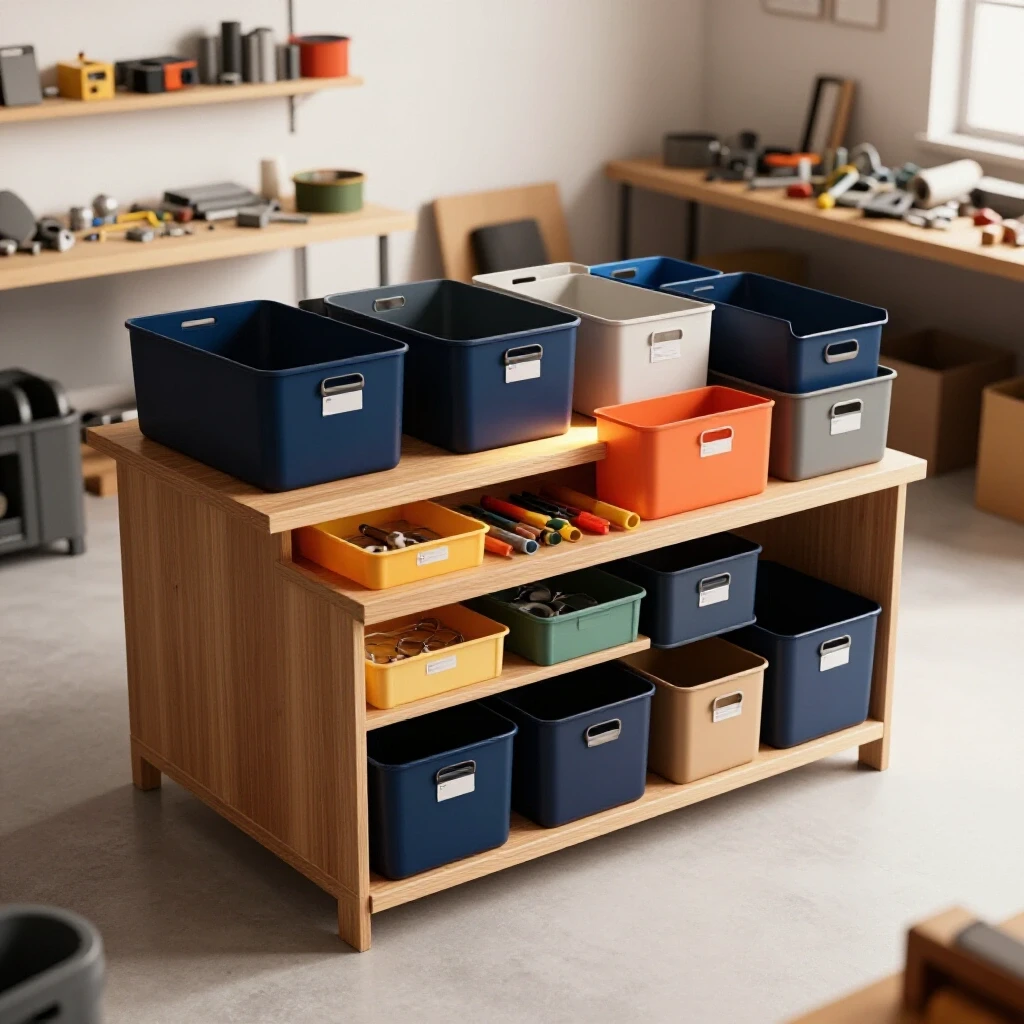
- Use standardized bins: I use heavy-duty plastic or metal bins that stack securely. This prevents the “leaning tower” effect that happens with cardboard boxes.
- Weight labeling: Always mark the approximate weight on a bin. This prevents someone from trying to lift a 100-pound box of small brackets by hand.
- Ergonomic heights: Store the heaviest batches between knee and shoulder height. Avoid putting 50-pound boxes on the very bottom or very top shelves.
Implementing a System Commissioning Run
Before you commit to a major layout change or a new storage system, run a “test batch.” Take a typical job—say, 100 small parts—and move them through your proposed flow. Watch for where you have to stop, where you have to bend over too much, and where parts start to pile up.
During my last layout update, I realized that my sorting table was four inches too low. It didn’t seem like much, but after sorting 200 parts, my back was killing me. Raising that table and adding a rubber floor mat was a simple fix that made a huge difference in my daily energy levels.
A Framework for Workshop Optimization
- Audit your current flow: Use a piece of chalk to draw the path of a part on your shop floor. If it looks like a bowl of spaghetti, you need to simplify.
- Calculate your loads: Total up the weight of your average weekly output. Ensure your racks and floor can handle 1.5 times that weight for a safety margin.
- Assess your air: If you can see dust hanging in the light beams, your filtration is insufficient. Increase your CFM or move the intake closer to the source.
- Balance your power: If you are adding 3-phase equipment, hire an electrician to verify your phase balance. It is cheaper than replacing a fried motor.
Conclusion
Transitioning your shop from a hobby space to a high-efficiency production environment is a marathon, not a sprint. It requires a disciplined approach to layout, a respect for the physical weight of the materials, and a commitment to maintaining a clean, safe atmosphere. By focusing on the flow of your batch runs and the infrastructure that supports them, you can increase your throughput without increasing your stress levels.
The most successful shops I have visited aren’t necessarily the ones with the newest machines. They are the ones where every part has a place, the air is clear, and the floor is open. Start with small changes—label a few bins, clear a walkway, or check your electrical loads. These incremental improvements build the foundation for a professional, scalable operation that can handle whatever volume you throw at it.
FAQ
How do I know if my shop floor can handle heavy storage racks? Most residential garage floors are 4 inches thick. While this handles cars well, it can crack under the “point loads” of heavy shelving. For high-volume steel storage, look for 5 to 6-inch reinforced concrete. If you are unsure, use extra-wide footplates on your racks to spread the weight over a larger area.
What is the best way to handle sharp edges on large batches of parts? The safest method is to deburr parts as they come off the machine before they are placed in bins. This prevents injuries during sorting and protects the finish of the parts from scratching each other. Using a dedicated deburring station with its own air filtration is a standard professional practice.
Why is 3-phase power better for a production shop? 3-phase power is more efficient because it delivers three alternating currents that are out of phase with each other. This provides a constant flow of power, which allows motors to start more easily and run more smoothly. For high-output compressors and dust collectors, this means less heat and a longer tool life.
How much space should I leave between my machines and sorting areas? A minimum of 3 feet is the standard for safe movement. However, if you are moving material with a pallet jack or a cart, you should aim for 4 to 5 feet. Clear walkways are essential for safety and prevent the “cramped” feeling that leads to mistakes.
What is the difference between a rotary phase converter and a VFD? A rotary phase converter uses a physical motor to generate a third leg of power for your entire shop. A VFD (Variable Frequency Drive) is usually dedicated to a single machine and allows you to control the speed of that motor. VFDs are great for precision, while rotary converters are better for powering multiple machines.
How do I calculate the CFM needed for my shop’s air filtration? A good rule of thumb is to aim for 6 to 8 air exchanges per hour. Calculate the total volume of your shop (length x width x height) and multiply by the number of exchanges. Divide by 60 to get the required CFM. For example, a 1,000 sq. ft. shop with 10-foot ceilings needs about 1,000 to 1,300 CFM for general air scrubbing.
What are the risks of stacking metal parts too high? The primary risks are instability and weight. A tall stack of metal can easily tip if bumped, leading to serious injury. Additionally, the parts at the bottom of the stack can be crushed or deformed. Always use sturdy, interlocking bins or racking rather than loose stacking.
How can I reduce the noise of my shop’s infrastructure? Rotary phase converters and large air compressors are noisy. Placing them in a separate, ventilated “utility closet” or a sound-dampened enclosure can significantly lower the decibel level in your main work area. This reduces fatigue and makes the shop a more professional environment.
Do I really need to bolt my storage racks to the floor? Yes. In a professional shop, any rack over 4 feet tall that holds heavy material should be anchored. This prevents the rack from tipping if it is loaded unevenly or if a piece of equipment accidentally bumps into it. It is a simple safety step that prevents catastrophic accidents.
How do I manage the weight of bins to prevent back injuries? Limit the size of your bins so that, when full, they do not exceed a manageable weight (usually 40-50 pounds). If you must use larger bins for batch runs, ensure they are moved only by cart or pallet jack. Marking the “Max Fill Line” on bins can help employees or assistants avoid overfilling them.
(This article was written by one of our staff writers, Edward Sinclair. Visit our Meet the Team page to learn more about the author and their expertise.)