How to Choose Heavy-Duty Extension Cord Reels (Buying Guide)
In my 17 years of maintaining industrial shops, I have seen more “heavy-duty” tools fail due to poor housing and cheap internal contacts than I care to count. One specific afternoon stands out: a technician was running a 9-inch angle grinder off a budget plastic reel. Within ten minutes, the smell of ozone and burning plastic filled the bay. We tore the reel down and found the internal slip rings—the components that transfer power while the drum spins—had literally fused together. The marketing on the box promised “industrial performance,” but the thin copper traces inside told a different story.
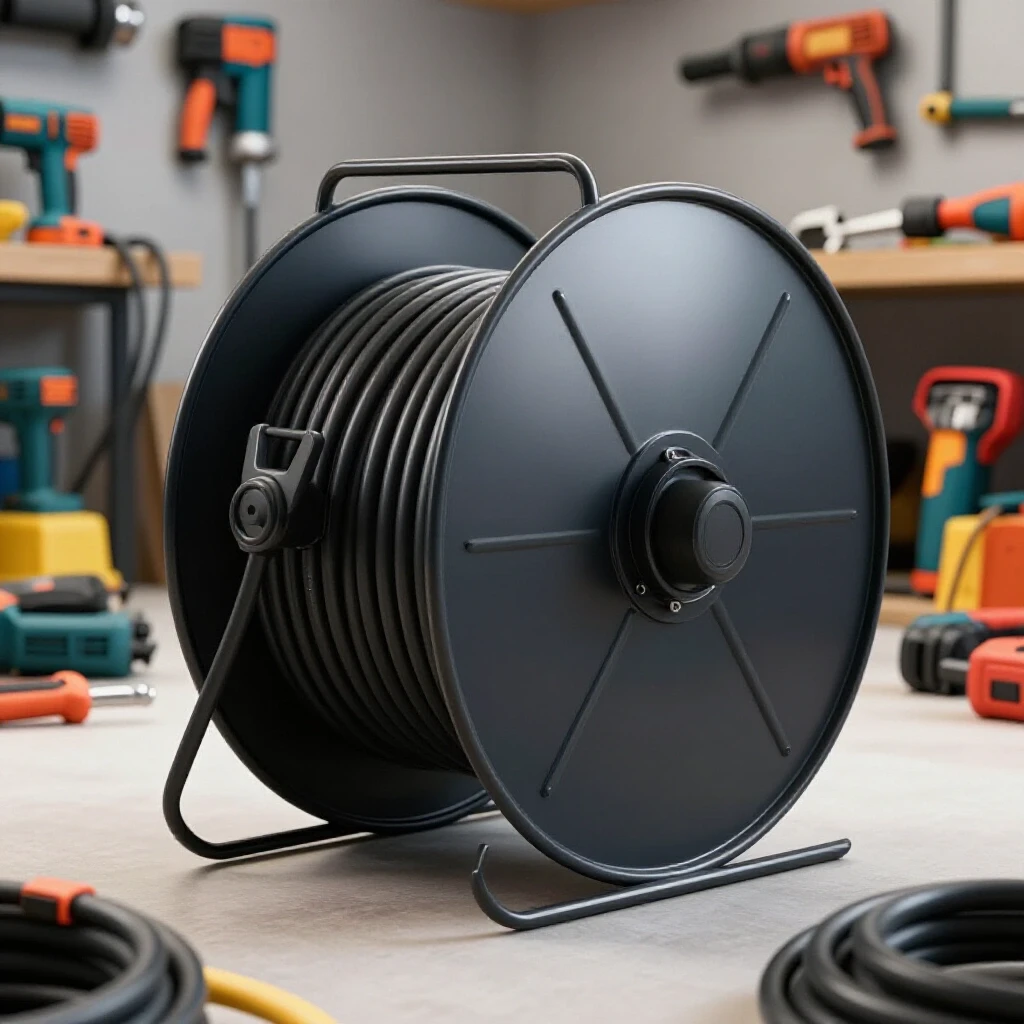
Choosing the right power management system for a fabrication environment isn’t about the color of the paint or the brand name on the side. It is about understanding the mechanical tolerances of the retraction spring, the gauge of the internal wiring, and the structural rigidity of the frame. When you are pulling a cord across a concrete floor 50 times a day, you need a tool that treats power delivery as a mechanical challenge, not just a convenience.
Evaluating Structural Integrity in Industrial Power Distribution
Structural integrity in power management tools refers to the physical build and material composition of the reel housing and drum. In a fabrication shop, this means choosing powder-coated steel over plastic to resist impact, heat, and vibration. A rigid frame prevents the drum from misaligning, which ensures smooth cord retraction and long-term durability.
When I evaluate a reel, the first thing I do is check the gauge of the steel frame. A flimsy frame will flex under the tension of a fully extended cord. If that frame twists even a fraction of an inch, the drum will rub against the side plates. This creates friction that wears out the motor or spring and eventually frays the cord jacket.
- All-Steel Construction: Look for 12-gauge or 14-gauge steel. This provides the weight necessary to dampen vibrations from nearby machinery.
- Powder Coating: This is not just for looks. In a metalworking shop, airborne particles and moisture can lead to rapid oxidation. A high-quality powder coat prevents rust from seizing the pivot points.
- Reinforced Mounting Brackets: The bracket is the primary failure point. I prefer dual-arm supports over single-arm designs because they distribute the torsional load more evenly when you pull the cord at an angle.
Understanding Slip Ring Design and Electrical Continuity
The slip ring is the internal mechanical assembly that allows the cord to rotate while maintaining a constant electrical connection. It consists of stationary brushes that ride against rotating copper rings. High-quality slip rings prevent arcing and heat buildup, ensuring that your high-draw tools receive consistent voltage without damaging the internal components.
In my teardowns, I often find that budget reels use thin, spring-loaded tabs instead of solid copper brushes. For a fabrication shop, this is a deal-breaker. If you are running a welder or a heavy-duty plasma cutter, those thin tabs will overheat and lose their spring tension. Once the tension is gone, the connection becomes intermittent, creating “dirty” power that can fry the control boards of your expensive inverter-based tools.
- Brush Material: Look for solid copper or brass brushes. These materials have higher conductivity and better heat dissipation than plated steel.
- Contact Surface Area: More surface area equals less resistance. A wide slip ring can handle higher amperage without the risk of localized pitting or carbon buildup.
- Sealed Assemblies: In a shop full of grinding dust, a sealed slip ring assembly is vital. Fine metallic dust is conductive; if it gets into the slip rings, it can cause a short circuit across the phases.
Analyzing Retraction Mechanisms and Spring Tension
The retraction mechanism is the heart of a cord reel, consisting of a coiled steel spring and a locking pawl. A well-engineered spring provides consistent tension throughout the entire length of the cord. The locking pawl should be audible and positive, allowing the user to stop the cord at specific intervals without it snapping back unexpectedly.
I have replaced dozens of springs that snapped because they were made of low-grade carbon steel. When you are evaluating a reel, pay attention to the “pull force.” It should feel linear. If the resistance increases sharply in the last 10 feet, the spring is being overstressed. This leads to “spring fatigue,” where the reel eventually loses the ability to pull the cord all the way back into the housing.
- Spring Material: High-tensile stainless steel or heat-treated carbon steel is the standard for industrial use.
- Adjustable Cord Stoppers: These allow you to set how much “tail” is left hanging. I prefer solid rubber stoppers over plastic ones, as they won’t crack when the cord snaps back hard.
- Multi-Position Release: A quality reel should have a “ratchet” feel. Look for a mechanism that locks every few inches. This prevents the cord from being under constant tension while you are working, which saves wear on the internal spring.
| Feature | Shop-Grade (Steel) | Light-Duty (Plastic) |
|---|---|---|
| Housing Material | 12-14 Gauge Steel | High-Impact Polymer |
| Internal Contacts | Solid Copper Brushes | Plated Spring Tabs |
| Spring Life | 10,000+ Cycles | 2,000-3,000 Cycles |
| Vibration Resistance | High (Mass dampens movement) | Low (Prone to cracking) |
| Repairability | High (Bolted construction) | Low (Glued or riveted) |
Selecting Cord Gauge and Jacket Materials
Cord gauge refers to the thickness of the copper wire, while the jacket material determines the cord’s resistance to chemicals and abrasion. For fabrication work, a 12-gauge (12/3) cord is the minimum requirement for 15-amp circuits. The jacket must be rated for oil and water resistance, typically designated by “SOOW” or “SJOW” ratings.
Voltage drop is the enemy of any electric motor. If you use a 14-gauge cord for a 50-foot run to a large grinder, the motor will starve for voltage, run hot, and lose torque. I always recommend 12-gauge wire for any run up to 65 feet. If you are going longer, you should consider 10-gauge to ensure your tools perform as the manufacturer intended.
- 12/3 SJOW: This is the “gold standard” for shop reels. The “12” is the gauge, “3” is the number of conductors, and “SJOW” means it is a junior service cord that is oil and water-resistant.
- Thermoplastic vs. Rubber: Rubber jackets (SOOW) stay flexible in cold weather. Thermoplastic (SJT) becomes stiff and holds a “memory,” making it difficult to wind back onto the reel in a cold shop.
- Molded Plugs: Look for heavy-duty molded plugs with integrated strain relief. This prevents the wires from pulling out of the plug during the inevitable “yank” that happens in a busy workspace.
Mounting Configurations and Pivot Dynamics
Mounting configurations determine how the reel is secured to a wall, ceiling, or bench. A pivot or swivel base allows the reel to rotate toward the user, reducing the side-load on the drum and cord guide. Proper mounting ensures that the cord pulls out straight, which prevents “stacking” or tangling inside the reel housing.
In my experience, ceiling mounts are superior for keeping floors clear, but they put the most stress on the mounting hardware. If you are mounting to a steel I-beam, use Grade 5 bolts. If you are mounting to a wall, ensure you are hitting the center of a stud or using a backing plate. A 50-foot steel reel can weigh 40 to 60 pounds; when you add the force of a person pulling the cord, the “pull-out” force on the fasteners can exceed 150 pounds.
- Swivel Bases: A 180-degree swivel is essential for wall mounts. It allows the reel to follow you as you move around a project, preventing the cord from rubbing against the sharp edges of the reel housing.
- Lead-in Cords: Check the length of the lead-in cord (the cord that goes from the reel to the wall outlet). It should be at least 3 to 5 feet long to allow for flexible mounting positions.
- Cord Guides: Look for reels with four-way rollers. These rollers reduce friction and wear on the cord jacket regardless of the angle at which you are pulling.
Maintenance and Long-Term Reliability
Maintenance for power reels involves periodic inspections of the cord jacket, cleaning the slip rings, and adjusting spring tension. A maintainable tool is one that can be disassembled with standard hand tools. Industrial-grade reels use bolts and nuts rather than rivets, allowing you to replace the cord or spring when they eventually wear out.
I tell my crew that a cord reel is like any other machine with moving parts: it needs a “tune-up.” Every six months, pull the cord out all the way and wipe it down with a clean rag. This removes the metallic dust that can act like sandpaper inside the reel. If the retraction feels sluggish, most industrial reels have an adjustment screw or a way to “pre-wrap” the spring to increase the return force.
- Inspect the “Stop” Point: Ensure the cord stopper is tight. If it slips, the plug can get sucked into the rollers, damaging the internal wiring.
- Listen for Arcing: If you hear a “crackle” inside the reel while it is under load, stop immediately. This indicates the brushes are worn or the slip ring is dirty.
- Check Fasteners: Vibration from the shop can loosen the mounting bolts. A quick check with a wrench once a year can prevent the whole unit from falling.
Common Mistakes When Choosing Shop Power Reels
One of the biggest mistakes I see is buying for the “maximum” amperage rather than the “continuous” load. A reel might be rated for 15 amps, but that is often a peak rating. For continuous use with a heavy grinder or a small welder, you want a reel that is over-engineered for the task.
Another mistake is ignoring the “reset” button. Industrial reels should have a built-in thermal circuit breaker. This protects the reel from overheating if you accidentally leave the cord coiled while running a high-amp tool. A coiled cord acts like an induction heater; the heat has nowhere to go, and it can melt the insulation from the inside out.
- Overloading the Circuit: Never daisy-chain reels. Each reel should have its own dedicated outlet.
- Ignoring the Jacket Rating: Using a non-oil-resistant cord in a shop will cause the jacket to swell and become “gummy” within months.
- Poor Placement: Mounting a reel too high makes it difficult to reach the locking pawl, while mounting it too low creates a tripping hazard.
Frequently Asked Questions
Can I use a 14-gauge reel for my 220V welder? No. Most standard extension cord reels are rated for 120V and 15 amps. Welders typically require a much higher amperage and a different plug configuration. Using a standard reel for a welder is a fire hazard and will likely destroy the reel’s internal contacts.
How do I know if the internal spring is wearing out? If the cord requires a “helping hand” to finish the last few feet of retraction, the spring is losing its tension. You can sometimes fix this by adding a “pre-wrap” (winding the cord around the drum one extra time), but if the spring feels “crunchy” or uneven, it is nearing the end of its life.
Is a swivel mount really necessary? If you are mounting the reel in a corner or on a wall where you will be pulling the cord at different angles, yes. Without a swivel, the cord will rub against the metal frame, which will eventually cut through the outer jacket and expose the wires.
What is the difference between SJT and SOOW cord jackets? SJT is a thermoplastic jacket, common on consumer-grade reels. It is cheaper but gets very stiff in the cold. SOOW is a rubber-based jacket that is much more durable, oil-resistant, and remains flexible in temperatures well below freezing.
Can I replace the cord on my reel if it gets damaged? On industrial-grade steel reels, yes. They are designed to be opened. You can disconnect the internal wiring from the slip rings and install a new length of cord. On many plastic, “disposable” reels, the housing is riveted shut, making cord replacement nearly impossible.
Why does my reel trip the breaker even when I’m not using it? This usually indicates a short circuit in the slip ring assembly, often caused by conductive metal dust or a wire that has vibrated loose and is touching the metal frame. It needs to be taken out of service and inspected immediately.
Does cord length affect tool performance? Yes. Due to electrical resistance, voltage drops over distance. A 100-foot cord will deliver less voltage than a 25-foot cord of the same gauge. For high-torque tools like grinders, keep your cord runs as short as practically possible to prevent motor overheating.
Are there reels that can handle more than 15 amps? Yes, there are 20-amp rated reels, but they require a 20-amp circuit (with the horizontal T-slot on the outlet). These typically use 12-gauge or 10-gauge wire and are much heavier and more expensive than standard 15-amp models.
(This article was written by one of our staff writers, Steven Brooks. Visit our Meet the Team page to learn more about the author and their expertise.)