Threadlocker Compounds vs Nylon Lock Nuts (Comparison Guide)
I have spent nearly two decades chasing “ghosts” in industrial machinery. There is a specific kind of frustration that sets in when a precision-aligned mill starts producing chatter marks, or a weldment on a vibrating frame develops a hairline crack. Often, the root cause isn’t a catastrophic component failure. It is something much smaller: a fastener that lost its tension. When a bolt backs out, even by a fraction of a millimeter, the resulting loss of clamping force can trigger a cascade of mechanical errors, from spindle backlash to resonance issues that ruin surface finishes.
In my experience, the choice between using a liquid locking agent or a nut with a plastic insert is rarely about which one is “better” in a vacuum. It is about diagnosing the specific environment of the machine. I remember a particular case involving a custom-built vibrating screen for a local aggregate plant. The bolts were shearing every three days. The team had been using standard nuts with spring washers, which were failing under the high-frequency transverse vibration. We had to step back and look at the physics of the joint. By systematically testing different retention methods, we found that the solution wasn’t more torque, but a fundamental change in how we resisted thread slip.
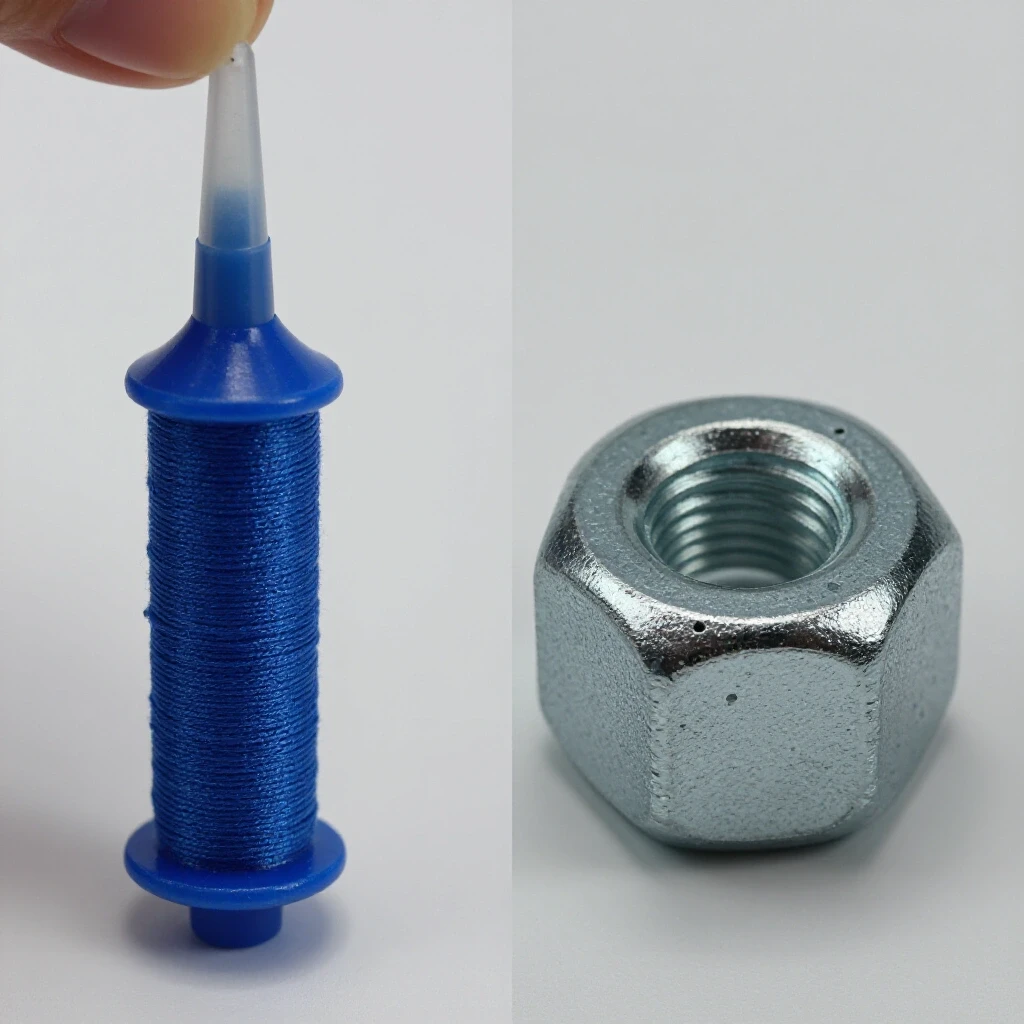
Mastering these two primary fastening methods—chemical adhesives and prevailing-torque nuts—is a core skill for any fabricator. It requires moving beyond guesswork and understanding how vibration, heat, and assembly procedures affect the longevity of a repair. If you are tired of retightening the same bolts or dealing with “mystery” misalignments, you need a systematic way to evaluate your fastening strategy.
The Mechanics of Fastener Failure and Vibration
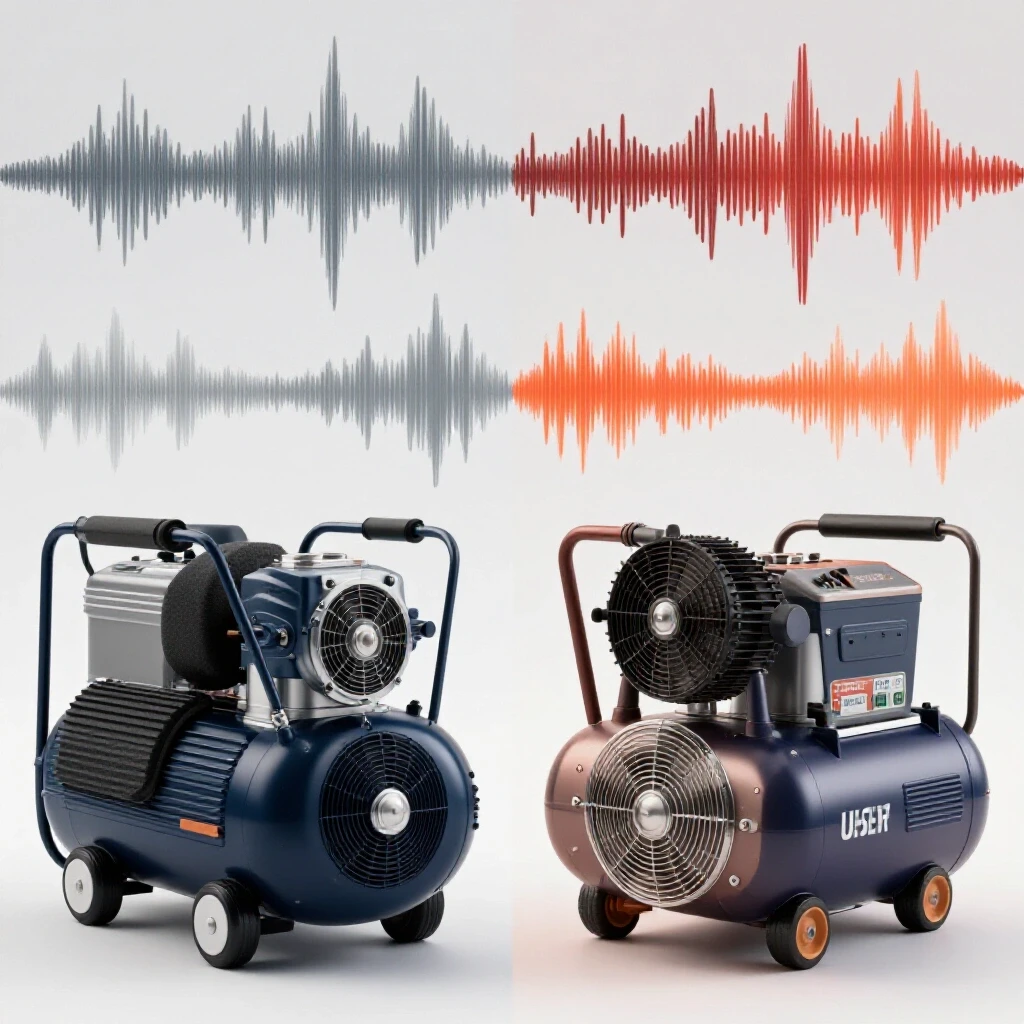
Understanding why a bolt loosens is the first step in choosing the right remedy for a failing machine. Most fasteners do not unscrew because of a lack of torque; they loosen because of transverse vibration that overcomes the friction between the threads.
When a machine operates, it generates harmonics. If those harmonics match the resonant frequency of a bolt, the microscopic movements allow the bolt to “float” within the threads. This is where we see the most downtime in metal fabrication. A standard nut has a small amount of play—often around 0.002 to 0.005 inches of lateral movement—within the female threads. Without a locking mechanism, that play allows the bolt to rotate under load.
How Anaerobic Adhesives Create a Solid Interface
Anaerobic locking fluids are liquids that cure into a hard plastic in the absence of oxygen and the presence of metal ions. They work by completely filling the microscopic gaps between the male and female threads.
Instead of relying on a small contact patch of metal-on-metal friction, these fluids turn the entire threaded engagement into a solid unit. This eliminates the 0.002-inch gap where movement usually begins. In my shop, I use these when I need to ensure that a stud or bolt stays put in a blind hole where a nut cannot be used. They are particularly effective for high-frequency, low-amplitude vibrations that tend to “walk” mechanical fasteners out of their holes.
The Role of Nylon-Insert Nuts in Prevailing Torque
Nylon-insert hex nuts, often called nylocs, utilize a different principle known as prevailing torque. They feature a captive nylon collar that is slightly smaller than the diameter of the bolt threads.
As you thread the bolt through the nylon, the plastic deforms around the threads. This creates a constant frictional drag, or “prevailing torque,” that exists regardless of whether the bolt is under a clamping load. This is a mechanical solution to a mechanical problem. It ensures that even if the initial tension is lost—perhaps due to material compression or “settling”—the nut will not physically spin off the bolt and fall into the machinery.
Comparing Performance in DIY Fabrication Environments
Choosing between these two methods requires a diagnostic look at the machine’s operating conditions. I’ve built a comparison table based on my repair logs to help isolate which method fits specific failure modes.
| Feature | Anaerobic Locking Fluids | Nylon-Insert Hex Nuts |
|---|---|---|
| Vibration Resistance | Excellent (fills all gaps) | Good (mechanical friction) |
| Heat Tolerance | Limited (softens at 300°F+) | Limited (nylon melts at 250°F) |
| Installation Speed | Slower (requires cleaning) | Fast (direct assembly) |
| Reusability | Infinite (with reapplication) | Limited (1-3 uses maximum) |
| Gap Filling | Yes (seals against fluids) | No (mechanical only) |
| Removal Effort | Varies (may require heat) | Consistent (requires wrench) |
Diagnosing Thermal Failure in Fasteners
One of the most common mistakes I see is using a nylon-insert nut on a component that gets hot, like a motor mount or a weldment near a heat source. Nylon begins to lose its structural integrity around 250°F. If your machine runs hot, that nylon collar will soften, the prevailing torque will vanish, and the nut becomes no better than a standard hex nut.
In contrast, most medium-strength anaerobic adhesives can handle up to 300°F, and high-temperature versions can push that to 450°F. If you are troubleshooting a bolt that keeps coming loose on a gearbox or an engine block, check the operating temperature with an infrared thermometer. If it’s over 200°F, the nylon nut is likely the wrong tool for the job.
Step-by-Step Diagnostic Guide for Fastener Selection
When a machine comes into my shop with a vibration-related fault, I follow a systematic process to determine the best fastening fix. This prevents the “parts cannon” approach where you just keep throwing different nuts at the problem.
1. Evaluate the Joint Type
Is it a through-bolt or a blind hole? This is the most basic fork in the road. * Through-bolts: These allow the use of a nylon-insert nut. They are easier to inspect visually. If the bolt extends at least two threads past the nut, you know the nylon is engaged. * Blind holes: These require a liquid locking compound. You cannot use a nut, so the only way to secure the bolt into the cast iron or steel housing is through chemical bonding.
2. Assess the Surface Condition
Liquid adhesives are sensitive to oil and grease. If you are working on an old lathe that is soaked in cutting fluid, a threadlocker will fail unless you spend significant time degreasing the threads with an electronic cleaner or brake parts cleaner. In these environments, if it’s a through-bolt, I often prefer a nylon-insert nut because its mechanical grip is less affected by surface contaminants.
3. Analyze the Vibration Frequency
Is the vibration a slow, heavy thud (low frequency) or a high-pitched buzz (high frequency)? * High-frequency buzz: This is common in high-speed spindles and small motors. It can “liquefy” the friction in a mechanical nut. Chemical lockers are superior here because they leave zero room for movement. * Low-frequency impact: Think of a shearing machine or a heavy press. These often cause structural shifting. A nylon-insert nut is excellent here because it remains secure even if the bolted plates shift slightly and lose their initial “stretch” or preload.
Troubleshooting Common Installation Errors
Even the best products fail if the installation logic is flawed. I have spent many hours cleaning up “repairs” where someone used too much or too little of a product.
The “Too Much Adhesive” Trap
When using anaerobic fluids, more is not better. You only need enough to cover the area of engagement. If you drip excess fluid into a blind hole, the bolt can actually hydraulically lock, preventing you from reaching the proper torque. This leaves the bolt loose even though the wrench says it’s tight. Always apply the fluid to the female threads or the leading edge of the male threads, and ensure there is an air path for the bolt to seat fully.
The “Worn Nylon” Oversight
A common diagnostic error is reusing a nylon-insert nut. Once a bolt has passed through the nylon collar, the plastic is permanently deformed. While you can sometimes get away with a second use, the prevailing torque drops by 40% to 60% after the first installation. If I am troubleshooting a machine that has been serviced multiple times and the bolts are backing out, the first thing I do is check if the nuts can be spun on by hand. If you can turn a nyloc nut past the plastic insert with your fingers, it is trash.
Metrics for a Successful Repair
In a professional fabrication setting, we don’t guess; we measure. Here are the benchmarks I use to ensure a fastening repair will hold.
- Thread Engagement: For nylon nuts, ensure at least two full threads exit the top of the nut. This guarantees the nylon collar is fully biting into the bolt.
- Cure Time: Most anaerobic lockers reach “fixture strength” in 10 to 20 minutes, but they require 24 hours for a full cure. If you put a machine back into high-vibration service before that 24-hour mark, the bond will shatter before it ever fully hardens.
- Breakaway Torque: If you are testing a repair, use a torque wrench to check the “breakaway” force. A medium-strength locker should require roughly 70% to 100% of the original installation torque to break loose. If it cracks open with very little effort, your threads were likely contaminated with oil.
Case Study: Isolating Tool Chatter in a CNC Mill
I once worked on a vertical machining center that developed a resonant chatter during heavy face-milling operations. The operator thought it was a bearing issue in the spindle. We did a vibration analysis and found the frequency was inconsistent with bearing failure.
Upon closer inspection, we found that the bolts holding the motor mount had slightly loosened. The original builder used nylon-insert nuts, but the heat from the motor had softened the nylon over three years of heavy use. This allowed the motor to vibrate at a frequency that translated directly into the spindle housing.
We diagnosed this by: 1. Measuring the temperature of the motor mount (215°F). 2. Checking the prevailing torque of the existing nuts (they spun off with almost zero resistance). 3. Switching to a high-temperature anaerobic threadlocker and standard grade-8 nuts. 4. Cleaning the threads with an aerosol degreaser to ensure a 100% bond.
The chatter disappeared immediately. The fix cost less than five dollars, but it saved the shop from a multi-thousand-dollar spindle rebuild.
Tools for Systematic Fastener Diagnosis
To move from guesswork to professional-grade troubleshooting, I recommend keeping these items in your diagnostic kit:
- Infrared Thermometer: To check if the operating environment is too hot for nylon or standard adhesives.
- Thread Pitch Gauge: To ensure you aren’t forcing a nut onto the wrong thread, which destroys the locking capability of both methods.
- Electronic Degreaser: Essential for prepping surfaces for chemical lockers.
- Calibrated Torque Wrench: Because “tight enough” is the enemy of precision.
- Digital Dial Indicator: To measure if a joint is actually moving under load.
Final Thoughts for the Fabricator
In the world of metalworking, the small details are what separate a machine that runs for decades from one that is constantly in the shop. Whether you choose the chemical path of anaerobic adhesives or the mechanical path of nylon-insert nuts, your decision must be rooted in the diagnostic facts of the machine.
Check your temperatures, measure your vibrations, and always, always clean your threads. If you take the time to match the fastening method to the specific stress the machine faces, you will spend less time fixing “ghosts” and more time making chips.
Frequently Asked Questions
Can I use a threadlocking fluid on a nylon-insert nut for “double” protection? I generally advise against this. The chemicals in many anaerobic threadlockers can actually attack and degrade certain types of plastics, including the nylon used in lock nuts. This can cause the nylon to crack or become brittle, potentially causing it to fall out and contaminate the machinery. Pick one method that suits the environment and execute it perfectly.
Why does my threadlocker stay liquid even after 24 hours? This usually happens for two reasons: oxygen or material. Since these fluids are anaerobic, they won’t cure if the gap between the threads is too wide, allowing air to stay present. Secondly, if you are using them on “inactive” metals like stainless steel or anodized aluminum, the fluid lacks the metal ions needed to trigger the chemical reaction. In those cases, you must use a specialized primer or activator.
How many times can I realistically reuse a nylon lock nut? In a pinch, you might get two or three uses, but for any critical machinery or high-vibration application, I treat them as one-time-use items. The cost of a new nut is pennies compared to the cost of a machine failure. If you can thread the nut onto the bolt by hand past the nylon insert, the nut’s locking ability is gone.
Is there a way to remove a high-strength threadlocker without snapping the bolt? Yes, you need to apply localized heat. Most high-strength (often color-coded red) adhesives require temperatures around 450°F to 500°F to break the bond. Use a propane torch or an induction heater directly on the nut or bolt head for a minute, then attempt to loosen it while it is still hot.
Do nylon-insert nuts work on fine-thread bolts as well as coarse-thread? They do, but the prevailing torque is often more consistent on coarse threads because there is more nylon material being deformed. On very fine threads, the “bite” into the nylon is shallower. If you are using fine threads in a high-vibration environment, a liquid locker is often the more reliable choice.
What is the best way to clean threads before applying an adhesive? I prefer using a non-residue solvent like brake cleaner or a dedicated electrical contact cleaner. After spraying, I use a stiff wire brush to remove any old adhesive or oxidation. If the threads are not “squeaky clean,” the adhesive will bond to the dirt rather than the metal, leading to a premature failure.
Will a nylon-insert nut hold if the bolt is shorter than the nut? No. The locking action only happens when the bolt threads fully penetrate and pass through the nylon collar at the top of the nut. If the bolt ends inside the nut, it is acting as a standard nut with no vibration resistance at all.
Can these methods prevent “galling” in stainless steel fasteners? Nylon-insert nuts do not prevent galling; in fact, the extra friction can sometimes make it worse. Threadlocking fluids, however, act as a lubricant during the assembly phase, which can help prevent the threads from seizing or “cold welding” before they are fully torqued. This is a significant advantage when working with stainless or aluminum.
(This article was written by one of our staff writers, Paul Whitaker. Visit our Meet the Team page to learn more about the author and their expertise.)